
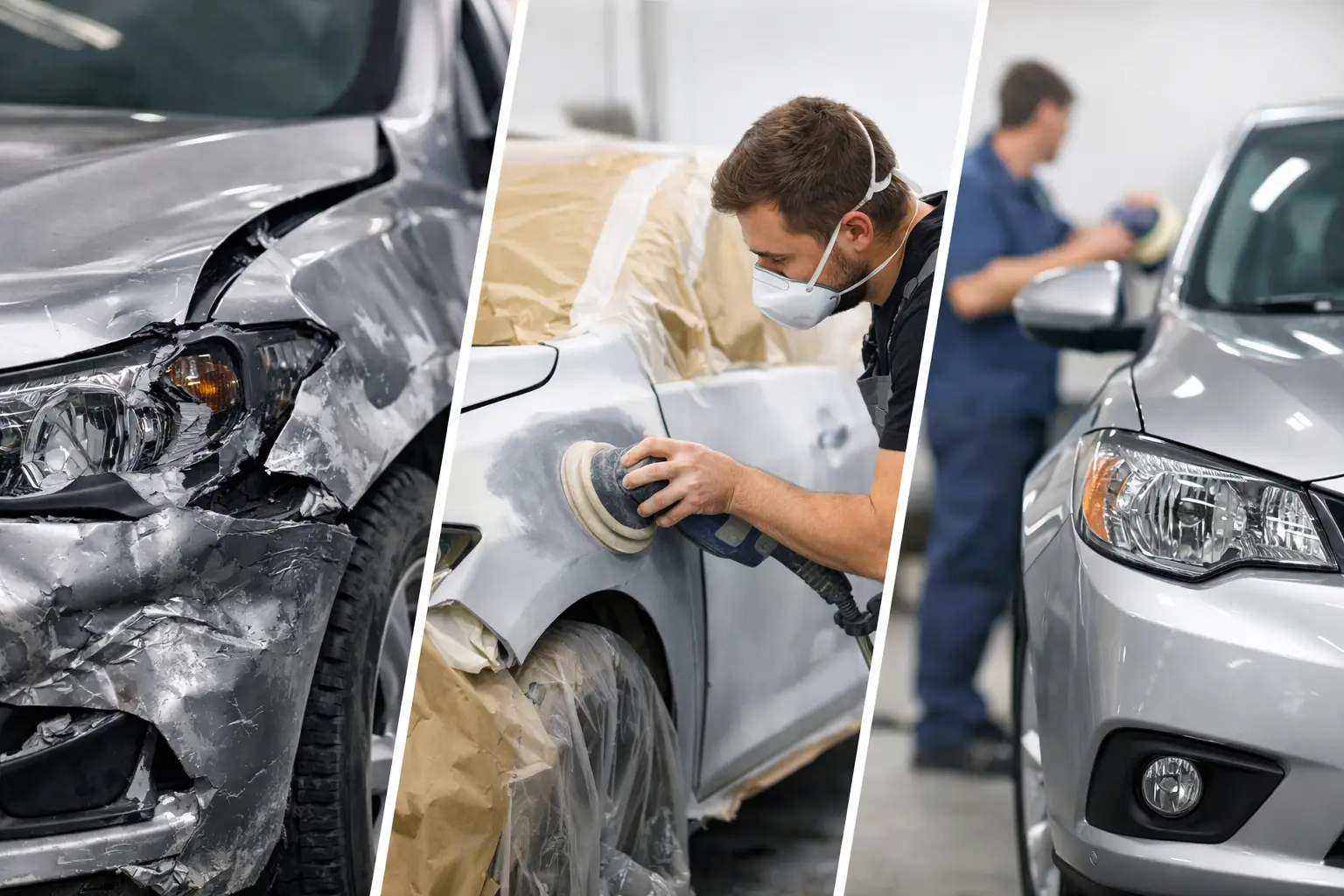
A small fender hit can look like a quick fix until the bumper comes off and hidden damage shows up underneath. That is why the accident damage repair timeline can vary more than most drivers expect. If you are trying to plan around work, school runs, or a pending insurance claim, it helps to know what usually happens next and what can speed things up or slow things down.
What affects an accident damage repair timeline?
The biggest factor is the extent of the damage. A scratched bumper cover or minor dent repair may move through the shop much faster than a collision that affects structural components, suspension parts, sensors, or multiple body panels. What you can see on the outside is only part of the picture.
Insurance approval also plays a major role. Some repairs move quickly because the estimate is straightforward and authorization comes through without much back and forth. Other jobs need supplements after teardown, which means the shop finds additional damage and submits updated documentation to the insurance company before continuing.
Parts availability is another common delay. Even when a repair plan is clear, the timeline can change if a manufacturer part is backordered or if there is a wait for specialty components like headlights, ADAS sensors, brackets, or trim pieces. In Houston, where many drivers need their vehicles back as soon as possible, that waiting period can be one of the most frustrating parts of the process.
The typical accident damage repair timeline, step by step
Most collision repairs follow the same general path, even though the total time can differ from one vehicle to the next.
Estimate and initial inspection
The process usually starts with a visual inspection and written estimate. For light cosmetic damage, this stage can move quickly. For heavier collision damage, the estimate is often best viewed as a starting point rather than the final word, because some issues are not visible until disassembly begins.
This is also the point where photos are taken, damage is documented, and the repair plan begins to take shape. If the vehicle is not safe to drive, it may stay at the shop from that point forward.
Insurance review and approval
If you are filing a claim, the next step is insurer involvement. Sometimes approval comes fast. Other times, especially when the carrier needs additional photos, written documentation, or an adjuster review, repairs can pause until authorization is complete.
A shop that handles insurance coordination directly can make this part easier for the customer. It does not eliminate every delay, but it usually reduces confusion and helps keep the job moving.
Disassembly and damage discovery
Once teardown starts, technicians can see the full scope of the damage. This stage is important because hidden problems are common after even moderate accidents. Bent reinforcements, damaged mounting points, broken clips, sensor issues, and internal panel damage often do not show during the first walkaround.
If more damage is found, a supplement is prepared and sent for approval. This step protects the quality of the repair, but it can add time. It is better to identify and document those issues early than to rush through and miss something that affects safety or fit.
Parts ordering and scheduling
After the repair plan is finalized, needed parts are ordered. If everything is in stock, this stage can be short. If one key item is delayed, the entire repair schedule may shift.
There are trade-offs here. New OEM parts may be the best fit for some repairs, but they can sometimes take longer to arrive. In other cases, an approved alternative part may be available sooner. The right choice depends on the vehicle, the insurer, the repair standards being followed, and the customer’s situation.
Body repair and structural work
This is where the actual restoration begins. Depending on the damage, technicians may repair dents, replace panels, straighten structural components, align gaps, and confirm that the vehicle is returning to factory specifications where required.
Minor body work may take only a short time. Structural repairs naturally take longer because measurements, fitment, and safety checks matter. This is not an area where speed should come before accuracy.
Paint preparation, refinishing, and curing
Paint work is more than spraying color. Surfaces need to be prepped correctly, repaired areas have to be smooth, adjacent panels may need blending, and the finish must match as closely as possible. After that, curing time matters.
Humidity, material type, color complexity, and the number of panels being refinished can all affect this stage. A simple paint correction is different from refinishing several repaired panels and blending into surrounding areas so the repair is not obvious.
Reassembly, calibration, and quality control
After paint, the vehicle is reassembled. Trim, lights, moldings, liners, emblems, sensors, and other components go back on. On newer vehicles, this can also include calibrations for safety systems such as lane departure warnings, cameras, parking sensors, and collision avoidance features.
This part of the process is easy to underestimate. A vehicle may look finished from the outside while still needing final setup, inspection, or calibration work before it is ready to go.
Final cleanup and delivery
Before delivery, the shop performs a final review to check fit, finish, function, and overall repair quality. Once that is complete, the customer is updated and pickup can be scheduled.
How long does accident repair usually take?
For very minor damage, repairs may be completed in a few days. Moderate collision repairs often take one to two weeks. More extensive work involving structural damage, airbag deployment, multiple panels, or hard-to-source parts can take several weeks.
That range is broad because no two accidents are exactly alike. A car with light visible damage may still need more time if hidden issues are found. On the other hand, a larger-looking repair can sometimes move faster if parts are available and insurance approval comes through quickly.
A realistic repair timeline is usually more helpful than an overly optimistic one. Most customers would rather know what to expect upfront than be told a shorter estimate that changes later.
Why timelines change after the estimate
The most common reason is hidden damage. Until the damaged area is fully opened up, nobody can promise with certainty that the initial estimate covers everything. This is especially true around bumpers, quarter panels, front-end assemblies, and impact areas that may have transferred force to nearby parts.
Insurance supplements are another reason. A repair may be technically ready to continue, but the shop still needs approval for added labor or replacement parts. That extra step can add time even when everyone is working in good faith.
Then there is parts supply. One missing bracket, sensor, or lamp assembly can hold up reassembly. This is frustrating, but installing incomplete or incorrect parts just to hurry the job out the door creates bigger problems later.
How to keep your repair moving
The best thing a customer can do is respond quickly when documents, claim details, or authorization decisions are needed. Delays often happen when the shop is waiting on insurer contact, deductible decisions, or approval to proceed.
It also helps to choose a repair shop that communicates clearly and handles the insurance side directly. That can save time and reduce the number of calls you have to juggle while already dealing with the disruption of an accident. For drivers in Southwest Houston, Stafford, Sugar Land, and the 77083 area, working with a local shop that provides free estimates and understands the claim process can make the experience much more manageable.
If your vehicle has newer safety technology, ask whether calibrations may be required. That question alone can explain why a repair takes longer than expected, and why that extra time is worth it.
What matters more than speed
Getting your vehicle back quickly matters. Most people cannot go long without reliable transportation. But the shortest timeline is not always the best outcome if it means skipped steps, poor paint matching, or unresolved safety issues.
A good collision repair should restore more than appearance. It should address hidden damage, support proper vehicle performance, and leave you confident getting back on Houston roads. At Sosa Automotive Group, that practical approach matters because customers are not just looking for a fast turnaround. They want honest communication, quality work, and a repair process that feels a little less stressful than the accident itself.
If you are waiting on repairs now, the best next step is to ask for a clear status update, understand which phase your vehicle is in, and make sure the work is being done thoroughly. A little patience during the right stage of the job can save you from bigger headaches after pickup.