
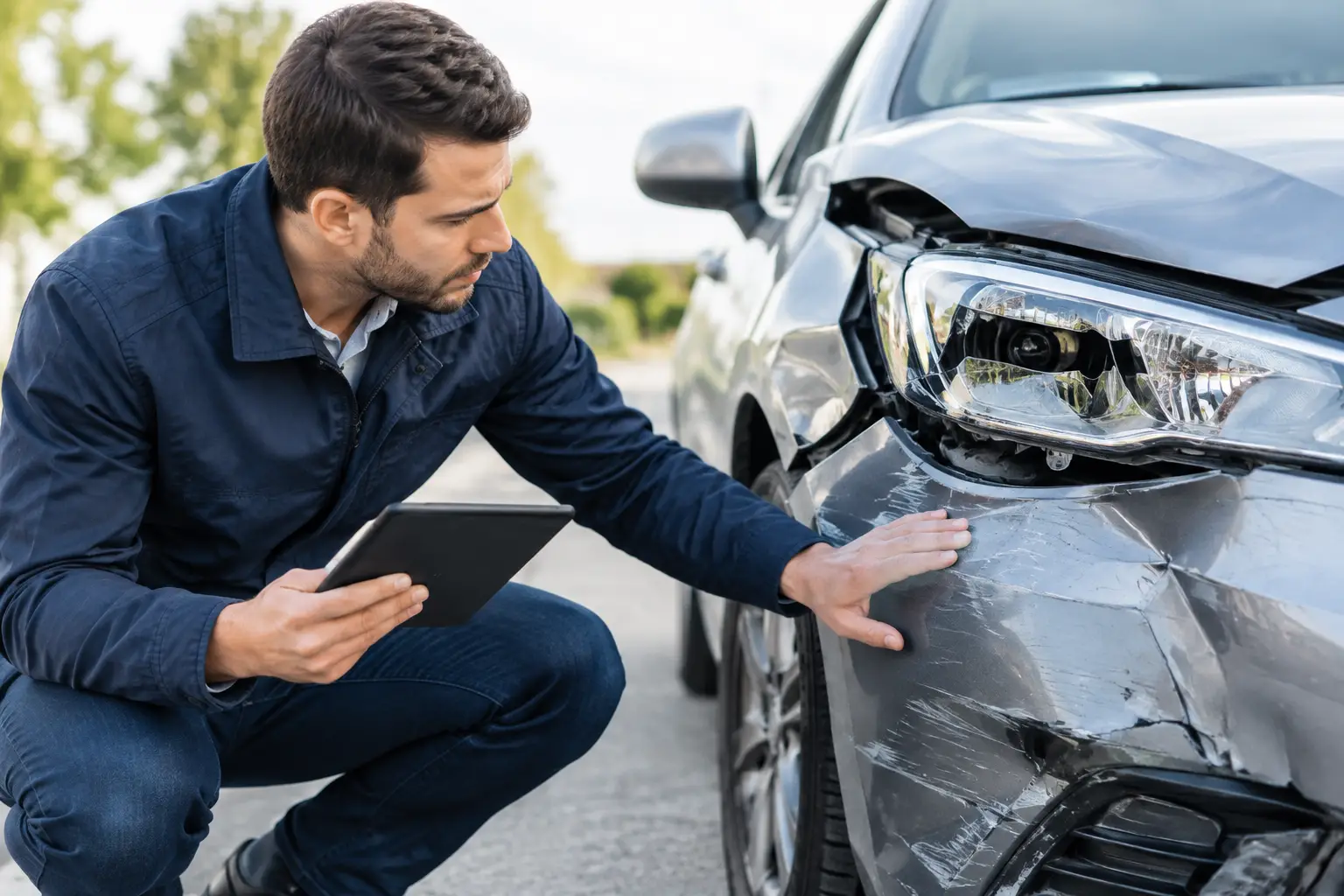
A bumper can look fine after a low-speed accident, yet the impact behind it may have bent a bracket, shifted a sensor, damaged a cooling part, or knocked the wheels out of alignment. Knowing how to spot hidden damage helps you make a safer decision before getting back to your normal commute around Houston, Stafford, Sugar Land, or Southwest Houston.
The challenge is that modern vehicles are built with layers designed to absorb impact. That protection can prevent obvious exterior damage while leaving problems underneath the surface. A careful inspection after any collision, even one that seems minor, can keep a small repair from turning into a larger safety or reliability issue.
Do Not Judge Damage by the Bumper Alone
Plastic bumper covers are made to flex, scratch, and sometimes spring back into shape. What sits behind them is less forgiving. Reinforcement bars, energy absorbers, mounting points, grille shutters, wiring, and parking sensors can all be affected without making the outside of the vehicle look severe.
The same is true for doors, fenders, and quarter panels. A door may still open, but its hinges or latch alignment could be slightly off. A fender may look straight while the inner structure around it has shifted. These issues are not always visible in a driveway inspection, which is why a professional collision estimate matters after an impact.
Take photos of every visible mark before washing the vehicle or having it repaired. Include wide shots of each side, close-ups of scratches and dents, and photos of the other vehicle if possible. Those details can be useful during the insurance process, especially when hidden damage is found later.
Signs of Hidden Damage You Can Notice While Driving
Your vehicle often gives you clues during the first few trips after an accident. Pay attention to what feels different rather than assuming you are simply nervous after the collision.
A steering wheel that is no longer centered when driving straight can point to an alignment problem. Pulling to one side, unusual vibration, or a vehicle that feels unstable at highway speed may mean the impact affected the wheels, tires, suspension, or steering components. Do not ignore a new vibration just because the tire looks normal from the outside.
Listen for sounds that were not there before. Clunks over bumps, scraping during turns, rattling behind the dashboard, wind noise around a door, or a new squeak when braking can all be worth checking. Some noises are minor, but others may signal loose panels, damaged mounts, bent suspension pieces, or parts rubbing where they should not.
Watch for these additional changes after a crash:
- Warning lights for the engine, airbag, traction control, brakes, or tire pressure
- A trunk, hood, or door that requires extra force to close or no longer lines up evenly
- Fluid spots under the vehicle, including coolant, oil, brake fluid, or transmission fluid
- Headlights, turn signals, cameras, parking sensors, or blind-spot alerts that stop working correctly
- Uneven tire wear or a tire that loses air after an impact near a wheel
- A burning smell, fuel smell, or rising engine temperature
If you notice a fuel smell, smoke, significant fluid leak, steering difficulty, brake changes, or overheating, stop driving and arrange for the vehicle to be inspected. Those are not issues to monitor for a few days.
Check Gaps, Panels, and Paint in Good Light
A quick walk-around can reveal more than many drivers expect. Park on level ground during daylight and look along the sides of the vehicle from several angles. You are looking for uneven gaps between body panels, paint that is cracked around the edge of a panel, or a bumper that sits lower on one side.
Compare the spacing around the hood, trunk, headlights, doors, and fenders. Small differences do not always mean structural damage, particularly on an older vehicle. But a new gap, raised edge, or panel that rubs when opening deserves attention. Misalignment can allow water and road debris into areas that are meant to stay protected.
Look beneath the vehicle as well, without crawling underneath it. A loose splash shield, hanging plastic piece, bent exhaust component, or fresh puddle can indicate damage that is not visible from standing height. If something is dragging, do not try to pull it off yourself. A damaged underbody panel may be supporting or protecting another component.
Why Sensors and Safety Features Need Extra Attention
Many vehicles now have cameras, radar units, proximity sensors, lane-assist systems, automatic emergency braking, and adaptive cruise control. These features are useful, but they add another layer to collision repair. A light impact to a bumper, windshield area, side mirror, or grille can affect a sensor even if the system does not immediately show a warning.
Sometimes the issue is obvious: a camera image is blurry, a parking sensor constantly beeps, or a dashboard message says a safety feature is unavailable. Other times, the system may work inconsistently because its sensor angle changed slightly in the collision.
Do not assume a reset will solve the problem. Depending on the vehicle and the repair performed, advanced driver-assistance systems may need calibration after damaged parts are repaired or replaced. Proper inspection and calibration help ensure those features respond as intended when you need them.
Pay Attention to Cooling, Leaks, and Under-Hood Damage
Front-end impacts can affect more than the hood and grille. Behind those panels are components that help the engine stay cool, including the radiator, condenser, fans, hoses, and mounts. A small crack or bent fitting may not leak immediately. Heat and vibration can make the problem appear days later.
For the next several drives, check the temperature gauge and look for warning messages. Notice whether the air conditioning still cools normally, particularly in Houston heat. Warm air from the vents after a front-end collision can be a sign that the air-conditioning system was affected.
Also check fluid levels only when the engine is cool and only if you are comfortable doing so. Low coolant, fresh oil spots, or a sweet smell around the front of the vehicle should be inspected promptly. Brake fluid leaks are especially urgent because they can affect stopping performance.
A Professional Inspection Finds What a Visual Check Cannot
A body shop inspection is not just about estimating the cost of paint and dent repair. Technicians can inspect mounting points, scan for diagnostic trouble codes, check alignment angles, examine suspension and steering parts, and look behind exterior panels. In some cases, parts must be removed before the full extent of the damage is visible.
This is also where insurance coordination can make a stressful situation easier. Initial estimates may need supplements if additional damage is discovered during repairs. That does not automatically mean anyone missed something at first. Hidden damage is often impossible to confirm until the vehicle is disassembled and inspected properly.
For drivers in the Southwest Houston area, Sosa Automotive Group provides free estimates and can help handle the insurance side of collision repairs. Bringing the vehicle in early gives you a clearer picture of what needs attention and what can safely wait.
When a Minor Accident Still Deserves an Estimate
Not every parking-lot scrape requires extensive repair. If there is no impact beyond a light surface scratch, no warning lights, no change in the way the vehicle drives, and no damaged sensor or panel gap, cosmetic repair may be the main concern.
Still, it depends on where the contact occurred. A low-speed hit near a wheel, bumper corner, door edge, rear hatch, or front grille can affect more than paint. Electric and hybrid vehicles may also have components and high-voltage systems that require added care after an impact. When you are uncertain, an estimate is a practical way to replace guesswork with an informed decision.
After an accident, trust what your vehicle is telling you. A new noise, warning light, leak, or handling change is worth checking before it disrupts your next trip. A timely inspection can protect your safety, support your insurance claim, and help you get back on the road with confidence.