
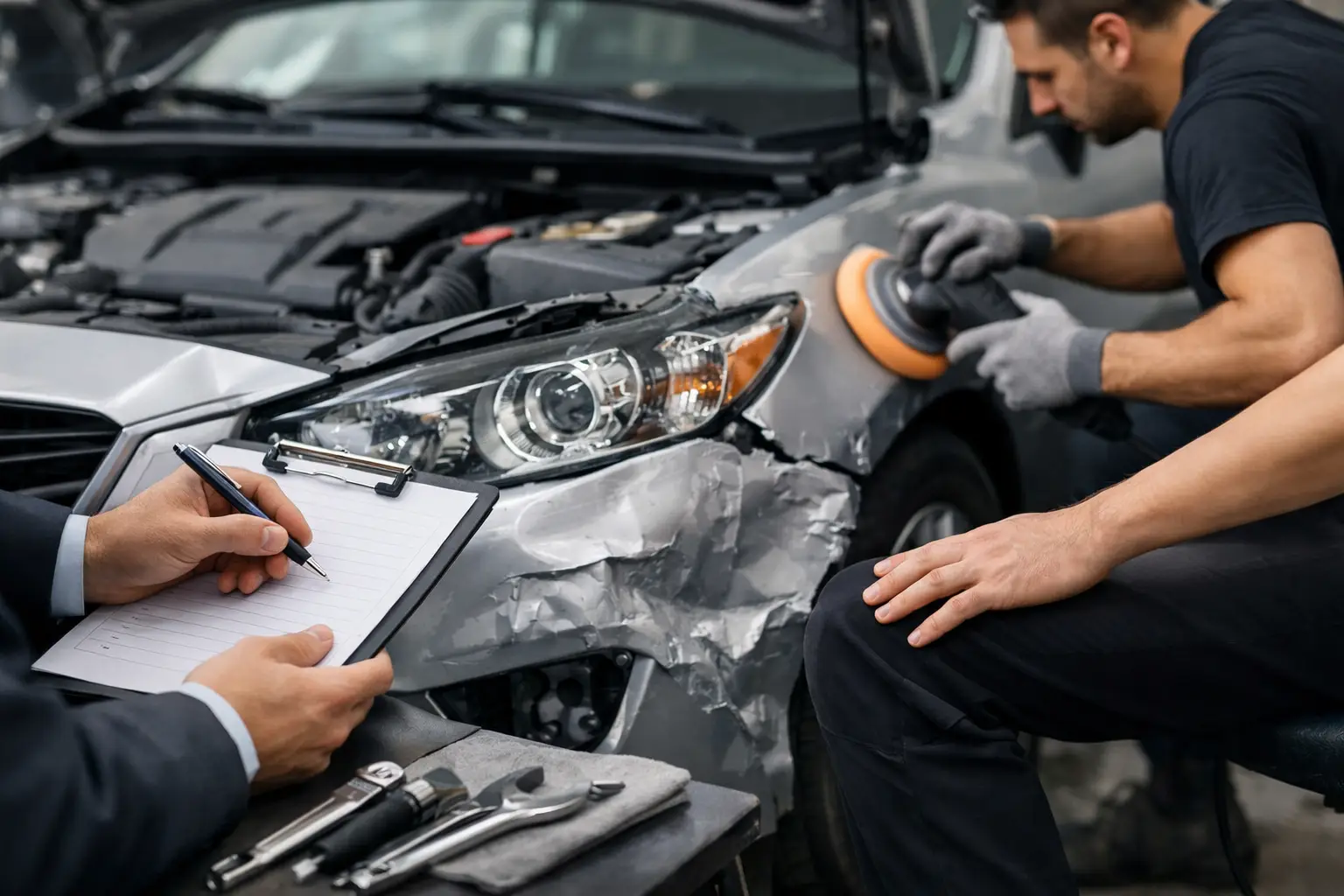
The first few days after a crash can tell you a lot about your vehicle. A bumper may look fine, but the alignment can be off. A door may close, but not quite like it used to. Good after accident car care is not just about making a vehicle look normal again. It is about making sure it drives safely, protects its value, and does not develop bigger problems a few weeks later.
For drivers in Houston, Stafford, Sugar Land, and nearby Southwest Houston neighborhoods, that matters even more. Daily traffic, heat, storms, and long commutes put stress on a vehicle fast. If accident damage is handled halfway, small issues can turn into tire wear, paint failure, electrical trouble, or unsafe driving conditions.
What after accident car care really includes
After accident car care starts with a full inspection, not just a quick look at the obvious damage. Many collision problems hide behind panels, under the vehicle, or inside areas most drivers never see. What appears to be a minor fender hit can affect brackets, sensors, suspension parts, and body alignment.
That is why the first priority should be understanding the true condition of the vehicle. Cosmetic damage matters, but structural condition matters more. If the frame, support panels, wheel alignment, or safety systems were affected, those issues need attention before anyone worries about finishing touches.
It also includes protecting the vehicle from ongoing wear after the accident. Scraped paint can expose metal. Loose trim can let in moisture. A cracked light housing can lead to electrical issues. Post-accident care means dealing with these details early, before they create extra repair costs.
What to check right after a collision repair estimate
Once your vehicle has been inspected or you have received an estimate, it helps to think in order of importance. Safety-related repairs should come first. If steering feels different, the car pulls to one side, braking feels uneven, or warning lights stay on, those are not issues to put off.
The next concern is hidden damage that can affect reliability. This includes suspension problems, wheel damage, radiator support issues, sensor misalignment, and damaged mounting points. Modern vehicles rely on tightly fitted components. Even a low-speed impact can shift more than you expect.
Then there is surface restoration. Dents, panel gaps, paint scratches, and bumper damage may seem less urgent, but they still matter. Paint is not just for appearance. It protects the body from rust, fading, and long-term deterioration. A quality repair should restore both the finish and the protection underneath it.
After accident car care and your vehicle's safety systems
One of the biggest mistakes drivers make is assuming that if the car starts and moves, it is fine. That is not always true. Today’s vehicles are built with sensors, cameras, airbag systems, and impact-absorbing structures that all work together. After an accident, those systems may need recalibration, repair, or replacement.
This is where after accident car care becomes more than body work. A misaligned sensor can affect driver-assist features. A damaged bumper support can reduce protection in a second collision. A headlight that seems good enough may still be aimed wrong.
A dependable repair process takes these systems seriously. It does not rely on appearance alone. It checks how the vehicle functions, how parts fit, and whether safety features are working as intended.
Why quick fixes can cost more later
A rushed repair often looks acceptable at first. The problem shows up later. Paint starts peeling because prep work was skipped. A panel edge traps moisture because fitment was off. Tires wear unevenly because alignment was never corrected. These are common post-accident problems when repairs focus only on getting the car out the door.
There is also the insurance side. Some drivers feel pressure to move quickly, accept the easiest option, and hope for the best. But cheap or incomplete work can lower resale value and leave you paying out of pocket for corrections later. In many cases, doing it right once is the less expensive path.
That does not mean every accident requires major reconstruction. Some damage is straightforward. But the only way to know is with a proper inspection and a repair plan based on the real condition of the vehicle.
How to protect your car's value after an accident
Vehicle value is tied to more than the accident history itself. Buyers and appraisers also look at repair quality. A vehicle that has been professionally restored, painted correctly, and returned to proper fit and function stands up much better than one with visible mismatched panels, overspray, warning lights, or poor alignment.
If you plan to keep the car for years, value still matters. Good repairs help the vehicle age better. Doors should seal correctly. Paint should match and hold up in the Houston sun. Panels should line up. Suspension should track properly. These details affect daily use as much as resale.
Documentation matters too. Keep copies of estimates, repair records, and any insurance paperwork. If questions come up later, having clear records helps show what was repaired and when.
Choosing the right help for after accident car care
Not every shop handles collision-related work with the same level of care. Some focus mainly on quick cosmetic fixes. Others are set up to inspect, repair, refinish, and work directly with insurance so the process is less stressful for the customer.
For most drivers, the best choice is a local repair shop that knows how to manage both the technical side and the paperwork side. That matters when you are already dealing with a disrupted schedule, rental cars, claim questions, and the worry of whether your vehicle will be the same again.
A good shop should explain what is damaged, what needs immediate attention, and what the repair timeline looks like. Clear communication is part of the repair. So is honest advice. Sometimes the visible damage is the whole issue. Sometimes it is not. You need a team that will tell you the difference.
For Southwest Houston drivers, working with an established local business can make a real difference. Shops with long experience in collision repair understand how to spot hidden damage, restore paint and body panels correctly, and help customers move through the insurance process without unnecessary delays.
What drivers should watch for after repairs are complete
When you get your vehicle back, pay attention to how it looks and how it drives. The paint should match well under daylight, not just in the shade. Body lines should be even. Doors, hood, and trunk should open and close smoothly. There should not be rattles, wind noise, or unusual vibrations that were not there before.
Driving feel matters just as much. The steering should feel centered. The vehicle should not pull to one side. Braking should be smooth and predictable. Dash warning lights should stay off unless there is a known issue already explained to you.
It is also reasonable to ask questions. If something seems off, bring it up early. Good repair work should hold up, and a reputable shop will want you to be confident in the result.
Local, practical care matters most
After an accident, most people are not looking for complicated advice. They want their vehicle safe, repaired properly, and back on the road without extra headaches. That is what after accident car care should deliver.
At Sosa Automotive Group, that practical approach is what matters most to local drivers. A careful estimate, quality collision repair, paint work that lasts, and help with insurance can take a stressful situation and make it manageable again.
If your car has been in a collision, do not judge the damage by what you can see from a few feet away. A thorough repair today can save you money, frustration, and safety concerns down the road. The best next step is simple - have it checked by people who know what to look for and who will treat your vehicle like it still has years of work to do.