
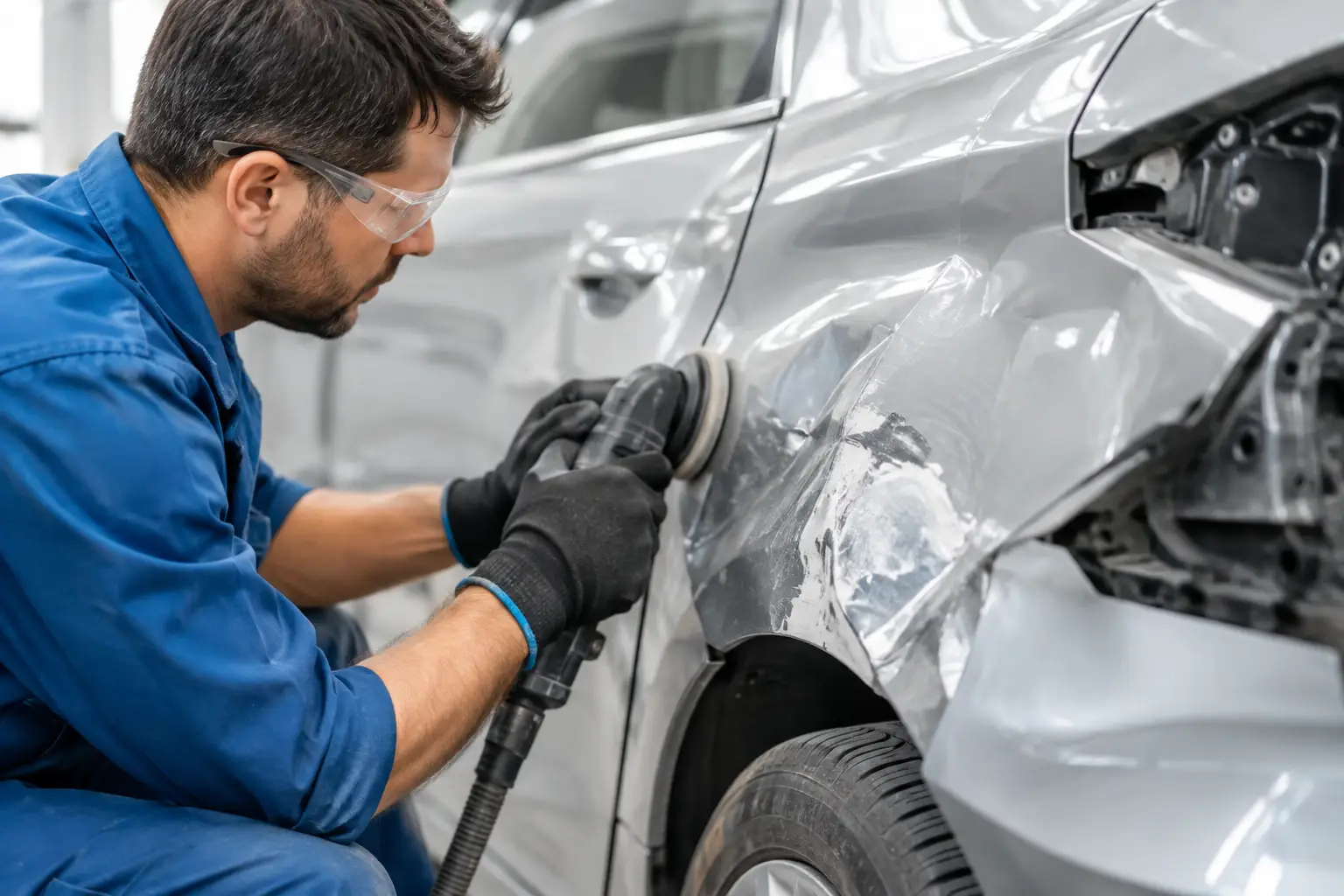
A dented aluminum panel can look like ordinary body damage, but aluminum repair requires a different approach than repairs on traditional steel panels. If your vehicle was involved in an accident, even a minor one, the right repair process matters for its appearance, safety, and long-term value. A shop should inspect the damage carefully before promising a quick fix or beginning body work.
Many newer vehicles use aluminum in hoods, doors, liftgates, fenders, structural components, and truck bodies. It helps reduce vehicle weight and can improve fuel efficiency, but it also calls for specific tools, repair methods, and technician training. For Houston-area drivers, understanding the basics can make it easier to choose a repair shop with confidence after a collision.
Why Aluminum Repair Is Different From Steel Repair
Aluminum does not behave like steel when it is bent, stretched, or heated. It is lighter, but it can be less forgiving during straightening. A technician cannot simply use the same equipment and techniques used on every steel body panel.
One major concern is cross-contamination. When aluminum and steel particles come into contact, they can contribute to corrosion. A qualified collision shop keeps aluminum repair work separate from steel work whenever necessary and uses dedicated tools and equipment. That helps protect the repaired area and supports a cleaner, longer-lasting finish.
Heat is another consideration. Excessive heat can weaken aluminum or change the way the metal responds to repair. Technicians need to control the repair process carefully, especially when addressing creases, dents, or damage near structural areas. The goal is not just to make the panel look smooth again. It is to restore it according to the vehicle manufacturer's repair requirements.
In some cases, a damaged aluminum part can be repaired. In others, replacement is the safer and more practical choice. The decision depends on the location of the damage, the depth of the dent, whether the metal has stretched, and whether nearby safety systems or structural components were affected.
Aluminum Repair Starts With a Complete Inspection
After an accident, visible damage is only part of the story. A bumper may be scuffed, a hood may be dented, or a door may not sit correctly. Behind those visible issues, there may be hidden damage to brackets, sensors, mounting points, reinforcement pieces, or the vehicle's underlying structure.
A proper inspection helps identify what needs attention before repair work begins. This is particularly important on vehicles equipped with cameras, parking sensors, blind-spot monitoring, lane-assist features, and other driver-assistance systems. A collision can affect these components even when the exterior damage seems limited.
The estimate should account for the parts, labor, paint work, and any additional procedures found during disassembly. It is normal for an estimate to change if hidden damage is discovered after the vehicle is taken apart. What matters is clear communication about why additional work is needed and how it affects the repair timeline.
For drivers already dealing with a claim, this is also where insurance coordination can make a stressful situation easier. A repair shop can document the damage, communicate with the insurer, and help keep the process moving while you focus on getting back to your normal routine.
Repair or Replacement: What Determines the Right Choice?
Repair is often possible when damage is isolated to a cosmetic, non-structural area and the metal has not been severely stretched or torn. A small dent in an aluminum hood or door may be repaired if the panel can be restored without compromising its integrity.
Replacement may be recommended when there are sharp creases, cracks, extensive stretching, damage at a mounting point, or concerns involving structural strength. Replacing a panel can cost more upfront, but trying to force a repair where replacement is needed can create problems later. A quality repair should prioritize safety and durability over the fastest possible solution.
The same principle applies to paint. Aluminum panels need proper surface preparation before refinishing. If prep work, primer, color matching, or clear coat application is rushed, the damage may be gone but the finish may not match the rest of the vehicle. A good paint repair blends the corrected area into the surrounding panels so the final result looks natural.
What to Expect During Aluminum Collision Repair
Every repair is different, but the process usually begins with a damage assessment and estimate. Once the repair plan is approved, the shop may order replacement parts, disassemble damaged areas, and inspect for additional concerns. Parts availability can affect the timeline, especially for newer vehicles or specialized aluminum components.
If repairable, the aluminum panel is carefully straightened using appropriate equipment. The technician then prepares the surface for refinishing, applies the necessary materials, and completes paint and clear coat work. After reassembly, the vehicle should be checked for panel alignment, proper door or hood operation, and any necessary sensor or system calibrations.
A quality shop does not treat aluminum repair as a cosmetic shortcut. Proper work takes planning, correct equipment, and attention to details that are easy to miss from the outside. That is especially true after a moderate or major collision, when panel fit, safety features, and structural condition all need to be considered.
Questions to Ask Before Choosing a Repair Shop
When your vehicle needs aluminum repair, it is reasonable to ask how the shop handles aluminum-specific work. You do not need to become a body repair expert, but a few direct questions can help you make an informed decision.
Ask whether the shop has experience repairing aluminum-bodied vehicles and whether it uses dedicated equipment or work practices to prevent contamination. Ask how it determines whether a panel should be repaired or replaced. You can also ask how the shop handles hidden damage found during disassembly and whether it will coordinate with your insurance company.
It also helps to ask about paint matching and final inspections. A repair should restore more than the vehicle's appearance. You want doors, hoods, liftgates, lights, trim, and safety-related features to work as they should when the job is complete.
Price is naturally part of the decision, but the lowest estimate is not always the best value. An estimate that leaves out necessary procedures can grow later, while a careful estimate may better reflect what the vehicle truly needs. Clear explanations, documented damage, and a realistic timeline are usually signs of a shop that takes the work seriously.
Local Help After Vehicle Damage
After a collision, the goal is to get your vehicle repaired without adding more frustration to an already difficult situation. Sosa Automotive Group provides collision repair, body work, paint services, free estimates, and insurance assistance for drivers in Southwest Houston, Stafford, Sugar Land, and the 77083 area.
Whether your vehicle has an aluminum hood, door, fender, liftgate, or more extensive collision damage, start with a professional assessment. Waiting can allow paint damage to worsen, panels to corrode, or minor alignment concerns to become more noticeable. A clear estimate and a careful repair plan give you a practical path forward - and the confidence to put your vehicle back on the road.