
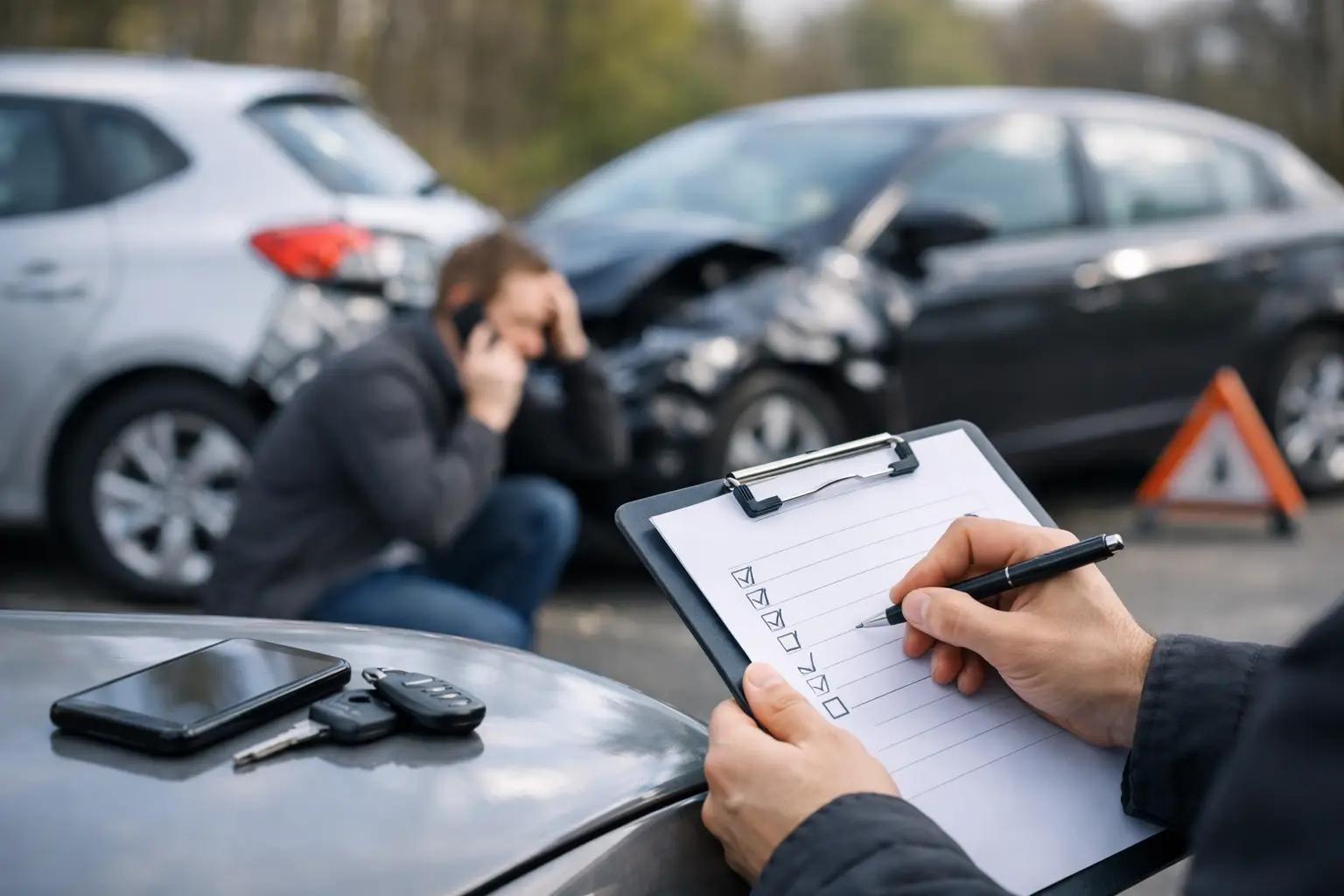
A crash can turn a normal Houston commute into a long, stressful day in seconds. The best post accident checklist is not about doing everything perfectly. It is about protecting your safety, preserving the facts, and making the next steps easier when it is time to deal with insurance, towing, and repairs.
Best Post Accident Checklist: What to Do First
Start with people, not the car. Check yourself and your passengers for injuries, then look at the other vehicle only if it is safe to do so. If anyone is hurt, call 911 right away.
If the vehicles can be moved and the scene is creating a hazard, pull to a safer spot nearby. Turn on your hazard lights. If the accident is minor, drivers sometimes want to rush through the exchange and leave quickly, especially on a busy road. That can lead to missing key details that matter later.
Once everyone is safe, call the police when the situation calls for it. In many cases, having an official report helps sort out what happened and supports the insurance claim. Even when the damage looks minor, the paperwork can become important if hidden damage, injuries, or a dispute shows up later.
Stay calm and watch what you say
After an accident, emotions run high. Keep the conversation polite and brief. Exchange information, but do not argue about fault at the scene and do not guess about injuries or repair costs. A simple factual conversation is usually the best approach.
What to collect at the scene
A good post-accident record can save time and frustration later. Use your phone to document as much as you reasonably can.
Take clear photos of the vehicles from multiple angles, including close-ups of visible damage and wider shots that show position, lane markings, traffic signs, skid marks, and weather conditions. Photograph license plates, the surrounding area, and anything else that helps tell the story of what happened.
Get the other driver’s name, phone number, address, driver’s license number, license plate number, and insurance information. If there were witnesses, ask for names and contact details. If law enforcement responds, note the officer’s name, badge number, and how to obtain the report.
Write down the time, location, direction of travel, and a short description of what happened while it is still fresh. Memory gets fuzzy faster than most people expect.
The best post accident checklist should include your own car details
Do not forget to document your own vehicle too. Note the make, model, VIN if available, mileage, and any pre-existing damage you already know about. That can help avoid confusion during the estimate and repair process.
When to contact your insurance company
Call your insurer as soon as you can after leaving the scene or once things are stable. Waiting too long can complicate a claim. Give straightforward facts about the accident and provide the photos and information you collected.
If the other driver’s insurer contacts you quickly, take your time. You do not have to rush into a recorded statement before you understand the situation. For a simple claim, that process may move smoothly. If fault is unclear or damage appears more serious than expected, it is smart to stay careful and stick to confirmed facts.
This is also where repair choices matter. Some drivers assume they must go wherever the insurance company suggests. In many cases, you can choose the repair shop you trust. That can make a big difference in communication, quality, and how smoothly the job gets handled.
Why a damage estimate matters even when the car still drives
A vehicle can look mostly fine and still have meaningful damage underneath. Bumpers, quarter panels, alignment systems, sensors, lights, and structural components can all be affected in ways that are not obvious in a parking lot or driveway.
That is why one of the most important parts of the best post accident checklist is getting a professional estimate soon. A proper inspection helps identify visible damage and the less obvious issues that may affect safety, drivability, or resale value.
It also gives you a clearer picture of timing. Some repairs are straightforward cosmetic fixes. Others involve parts delays, calibration, paint blending, or insurance approvals. Knowing that early helps you plan transportation, work schedules, and next steps.
Towing, storage, and temporary transportation
If your car is not safe to drive, arrange towing through your insurance company, roadside service, or a trusted local provider. Do not let a stressful scene push you into decisions you do not understand. Ask where the vehicle is going, whether storage fees apply, and what paperwork you are agreeing to.
Storage costs can add up faster than many drivers realize. If the car is sitting at a tow yard, moving it to a repair facility sooner may simplify things. It can also speed up the estimate and reduce delays.
If you need a rental car, check your policy before assuming it is covered. Some policies include rental reimbursement, while others do not. Even when coverage exists, there may be daily limits or time limits that affect your options.
How to avoid common post-accident mistakes
The most common mistake is waiting too long to take action because the accident seemed minor. Small dents can hide larger repair needs. Soreness can appear a day or two later. Insurance questions can become harder to answer when details are no longer fresh.
Another mistake is authorizing repairs before understanding the estimate and the process. Ask what is damaged, what parts are being replaced or repaired, whether paint matching is involved, and whether additional damage may be found after disassembly. A trustworthy shop should explain this in plain language.
It is also easy to focus only on cost. Price matters, but it is not the only factor. Communication, insurance coordination, repair quality, and local reputation matter too. The cheapest estimate is not always the best value if it creates delays or leaves you with incomplete repairs.
Choosing the right repair shop after an accident
After a collision, convenience matters, but confidence matters more. You want a shop that knows how to handle body damage, paint work, and the insurance side without making you chase updates every day.
Look for a repair shop with real collision experience, a clear estimate process, and a willingness to explain what your car needs. Local drivers often prefer a nearby family-owned business because it is easier to ask questions, stop by if needed, and feel like you are being treated as a customer rather than a claim number.
In Southwest Houston, Stafford, Sugar Land, and the 77083 area, that local support can make the entire process less stressful. A shop like Sosa Automotive Group can help with free estimates and direct insurance handling, which removes some of the back-and-forth that drivers often dread after an accident.
A simple post-accident checklist you can remember
If you do not remember every detail in the moment, remember the order. First, protect people. Second, document the scene. Third, report the accident and start the claim. Fourth, get a professional estimate before assuming the damage is minor.
That order keeps the important things in front of you when your mind is pulled in ten different directions. It also reduces the chances of missing a step that causes problems later.
Every accident is a little different. A low-speed parking lot bump is not handled exactly like a multi-car crash on a busy road. But the basics stay the same: stay safe, stay factual, and get your vehicle checked by people who know what to look for.
The calmer you are in those first few hours, the easier the next few days tend to be. Keep a copy of your insurance card in the car, save a note with your key accident steps on your phone, and if something does happen, give yourself permission to slow down and handle it one decision at a time.