
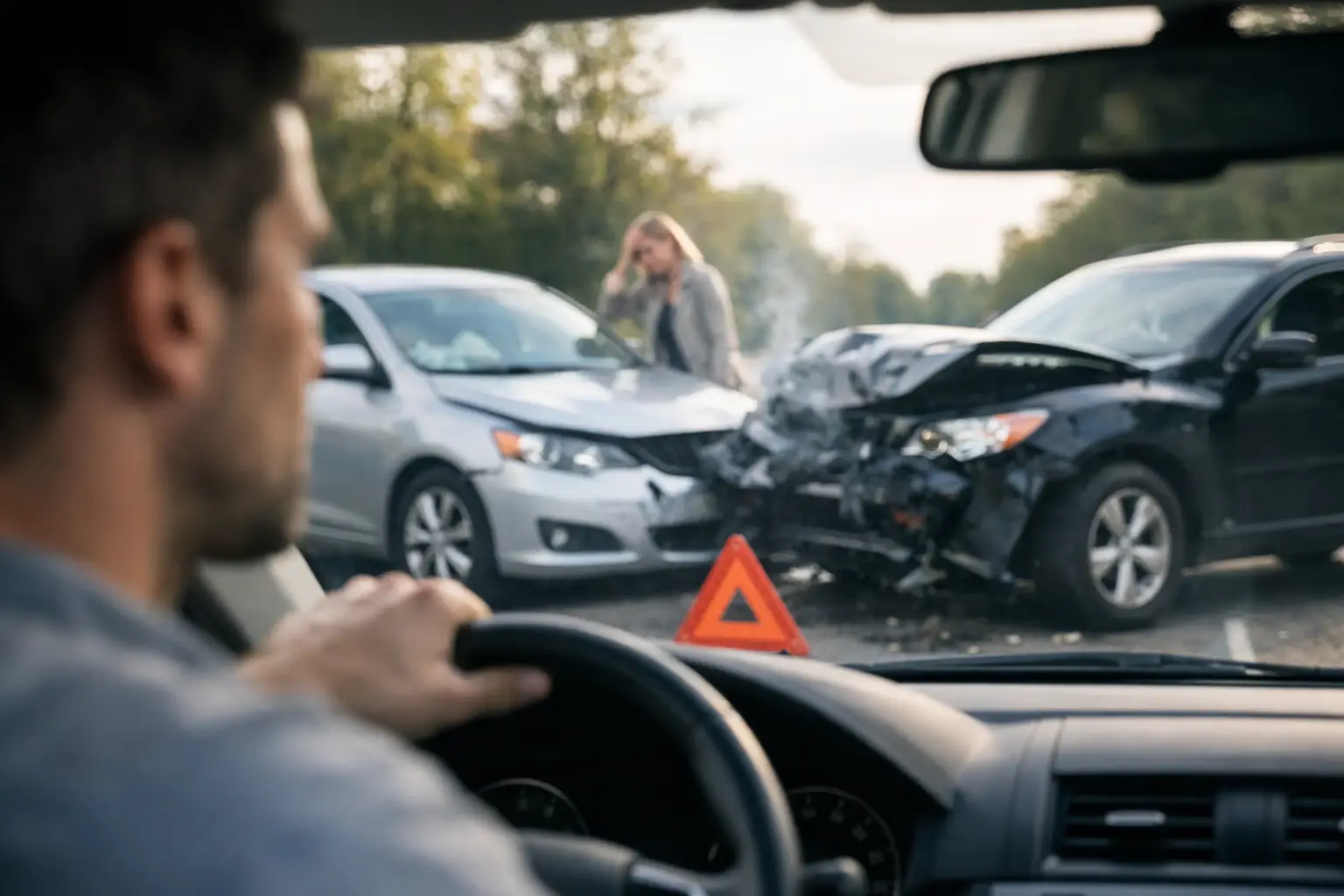
A fender bender on Highway 6 or a parking lot collision in Sugar Land can leave you with one urgent question: can I drive after a collision? Your vehicle may still start, the wheels may turn, and you may feel tempted to head home or continue to work. But a car that moves is not always a car that is safe to drive.
The right answer depends on the damage, where the impact occurred, and whether key safety systems still work. A short drive with hidden damage can turn a repairable problem into a more serious one, or put you and other drivers at risk. Before getting back on the road, take a moment to assess the vehicle carefully.
Can I Drive After a Collision? Start With Safety
First, move yourself and your passengers out of danger if you can do so safely. If the vehicle is blocking traffic but appears operable, Texas drivers may need to move it to a safer nearby location. Do not attempt that if you see smoke, flames, leaking fuel, or damage that makes the vehicle difficult to control.
Turn on your hazard lights, check for injuries, and call 911 when anyone is hurt, traffic is blocked, a vehicle cannot be moved safely, or the situation requires police assistance. Even after a minor accident, exchange information with the other driver and document the scene with photos before vehicles are moved when possible.
A vehicle should generally not be driven if you notice any of these warning signs:
- A fluid leak, especially fuel, coolant, brake fluid, or a large amount of oil
- Smoke, steam, a burning smell, or an overheating temperature gauge
- A flat tire, bent wheel, loose bumper, dragging part, or damaged suspension
- Steering that pulls sharply, feels loose, vibrates, or will not center normally
- A brake pedal that feels soft, goes too far down, or causes the vehicle to pull when stopping
- A deployed airbag, cracked windshield that blocks your view, or lights that do not work
One warning sign is enough to stop driving and arrange a tow. The cost and inconvenience of towing are usually small compared with the risk of causing another accident or damaging the vehicle further.
Damage You Cannot Always See
Collision damage is not limited to dents, scratches, and broken plastic. Modern vehicles have sensors, wiring, cameras, radar units, brackets, cooling components, and structural parts behind the exterior panels. A bumper can look mostly intact while the reinforcement bar, absorber, sensor mounts, or radiator support behind it has shifted.
Front-end impacts deserve extra caution. A cracked radiator, damaged cooling fan, bent hood latch, or loose grille component can quickly lead to overheating or a hood that does not stay secure. If your hood is bent, does not latch completely, or appears misaligned, do not drive the vehicle. It can obstruct your view or open while you are moving.
Rear-end damage can be just as serious. A trunk that will not close securely, broken taillights, an exposed exhaust component, or a damaged rear bumper that is rubbing a tire should be inspected before driving. If other drivers cannot clearly see your brake lights and turn signals, your vehicle is not ready for the road.
Side impacts may affect doors, window operation, side airbags, seat belts, and wheel alignment. A door that will not latch is a clear reason not to drive. Neither a bungee cord nor a temporary workaround makes an unsecured door safe at Houston freeway speeds.
Check the Tires, Wheels, Steering, and Brakes
A collision near a wheel is one of the strongest reasons to avoid driving until the vehicle has been inspected. Even a low-speed curb strike or side impact can bend a wheel, damage a tire sidewall, alter alignment, or affect suspension and steering parts.
Walk around the vehicle and look at each tire. A tire that is low, bulging, cut, rubbing against bodywork, or sitting at an unusual angle needs immediate attention. Also look for a wheel that appears pushed backward or forward in the wheel opening compared with the other side.
If the tires look normal and you must move the vehicle a very short distance to reach safety, keep the speed low and listen closely. Stop immediately if you hear scraping, grinding, thumping, or repeated clicking. Do not take a vehicle with possible steering, brake, tire, or suspension damage onto a highway simply because it can travel a few blocks.
Warning Lights Matter After an Accident
Dashboard warning lights should not be ignored after a collision. The check engine light, battery light, oil pressure light, temperature warning, ABS light, traction control light, or airbag light may point to damage that is not visible from outside.
A red warning light typically calls for immediate attention. If the engine temperature rises, the oil pressure warning comes on, or the battery light appears with other electrical problems, pull over safely and turn the engine off. Continuing to drive may damage the engine or leave you stranded in a more dangerous place.
An airbag or supplemental restraint system warning light is also significant. It may mean the airbag system needs diagnosis, especially after an impact. Seat belts and airbags are not items to guess about. Have the vehicle inspected before relying on it for regular driving or carrying passengers.
When a Short Drive May Be Reasonable
There are situations where a vehicle may be safe enough for a limited trip, but the standard should be high. Minor cosmetic damage such as a small dent or scratch may not affect safe operation if all lights work, no fluids are leaking, the tires and wheels are undamaged, the hood and doors latch properly, and the vehicle drives exactly as it did before the accident.
Even then, a short trip should be just that: a careful drive to a safe location, your home, or a qualified collision repair shop. Avoid long distances, high speeds, heavy rain, and freeway traffic until the vehicle has been checked. Houston roads can be unforgiving when visibility is low or traffic is moving fast.
Remember that an insurance estimate and a safety inspection are not always the same thing. An estimate identifies visible and expected repair costs. A thorough repair process may uncover additional damage after parts are removed. That is normal after a collision, especially when damage is behind a bumper, fender, or panel.
What to Do Before You Leave the Scene
If the vehicle is safe to move, take clear photos of both vehicles, the surrounding area, license plates, damage, and any relevant traffic signs or signals. Save the other driver's insurance and contact information, and keep your own notes about what happened while details are fresh.
Do not assume you must accept an immediate repair decision at the scene. You can contact your insurer, report the claim, and choose a repair shop you trust. A local collision shop can help document damage, prepare a free estimate, and communicate with the insurance company about the repair process.
For drivers in Houston 77083, Stafford, Sugar Land, and Southwest Houston, Sosa Automotive Group provides collision repair support and direct insurance handling to make the next steps less stressful. The priority is not just making the vehicle look better. It is identifying the damage, restoring the affected areas properly, and helping you understand what the repair will involve.
Trust Your Instincts, Then Get an Inspection
After an accident, drivers often feel pressure to keep moving because they need to get to work, pick up children, or avoid a tow bill. That is understandable. Still, uncertainty is a reason to pause, not a reason to take chances.
If the car sounds different, smells different, pulls, leaks, shows a warning light, or has damage near a wheel, hood, door, lights, or bumper, arrange for an inspection. A dependable repair decision starts with keeping everyone safe long enough to make the right one.