
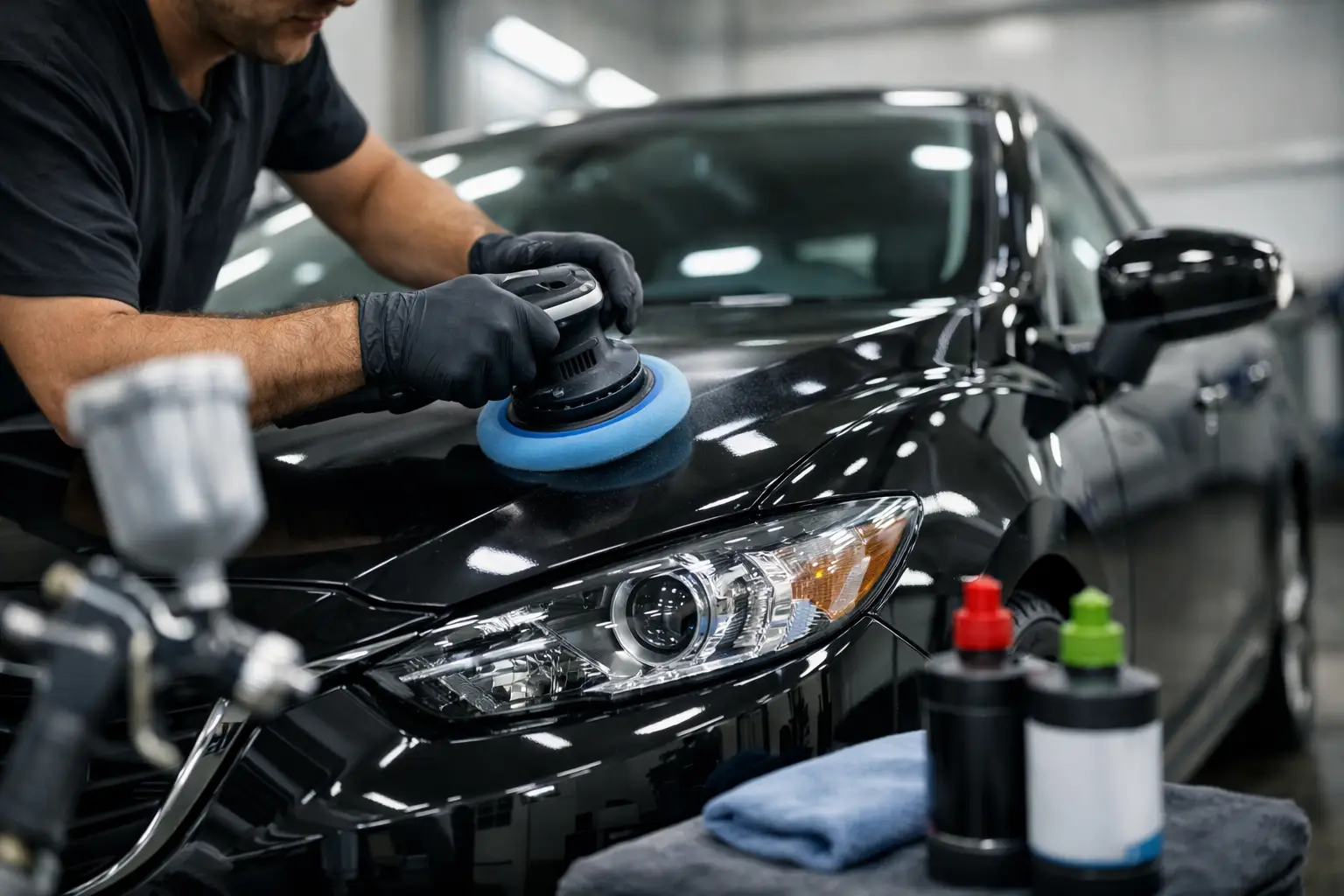
A scraped bumper in a crowded parking lot, paint damage after a collision, or a faded hood under the Houston sun can make an otherwise dependable vehicle look neglected. Quality car paint services do more than improve appearance. They protect exposed body panels, help preserve your vehicle’s value, and complete the repair process after body damage.
For drivers in Southwest Houston, Stafford, Sugar Land, and Houston 77083, the right paint repair starts with an honest assessment. Some damage can be corrected without repainting an entire panel. Other damage requires body repair, careful preparation, and color matching to make the finished work look right from every angle.
When Car Paint Services Are the Right Solution
Paint damage is not always just cosmetic. A deep scratch that reaches the metal can leave the panel vulnerable to moisture and corrosion. Chips along a hood, roof, or bumper may spread over time, especially when dirt and water work into the damaged area. After a collision, cracked paint can also point to damage beneath the surface that needs attention before any refinishing begins.
Car paint services are commonly needed after collision repairs, dent repair, bumper damage, scratches, peeling clear coat, and sun fading. The right approach depends on how deep the damage is, where it is located, and whether the surrounding body panel is still straight and stable.
For example, a light scuff on a bumper may only need polishing or a small localized repair. A dented door with chipped paint needs bodywork first, followed by primer, paint, and clear coat. Repainting over an unrepaired dent may look acceptable for a short time, but it will not provide the smooth, lasting result most vehicle owners expect.
A Good Paint Job Starts Before the Paint Is Applied
The final color gets the attention, but preparation determines how well a paint repair holds up. A proper auto body shop begins by cleaning the damaged area, assessing the panel, and repairing dents, cracks, or other surface problems. The panel is sanded and prepared so the new materials can bond correctly.
If bare metal or damaged plastic is exposed, the correct primer is applied before color. Primer helps create a stable surface and can prevent future issues such as peeling, uneven texture, or visible repair lines. Once the surface is ready, the shop applies the color coat and clear coat, then allows the finish to cure before completing final inspection and polishing.
This process takes more care than a quick paint touch-up. Rushing preparation can lead to rough texture, paint that does not adhere properly, or a finish that looks noticeably different from nearby panels. The goal is not simply to cover damage. It is to restore the panel so the repair fits the rest of the vehicle.
Why Color Matching Matters
Matching automotive paint is more involved than selecting a paint code. The same factory color can look different from one vehicle to another because of age, sun exposure, prior repairs, and the way metallic flakes settle in the finish. White, silver, gray, pearl, red, and metallic colors can be especially challenging when a repair is limited to one area.
A professional paint repair may include blending color into adjacent panels to create a natural transition. Blending can add time and cost, but it is often the better choice when a direct panel-to-panel match would be visible. Your estimator should explain whether blending is recommended and why.
The condition of the rest of the vehicle also matters. If the clear coat is failing across several panels, painting one small area may not deliver the appearance you want. In that situation, a broader refinishing plan may make more sense. A clear estimate helps you weigh the immediate repair against the long-term condition of your vehicle.
Paint Repair After an Accident
After an accident, paint work is usually the last visible stage of a larger repair. Before refinishing begins, collision damage must be inspected and corrected. That can include repairing a bumper cover, replacing a damaged panel, straightening metal, or addressing alignment concerns behind the exterior surface.
This is why it is helpful to work with a shop that handles both collision repair and painting. The technicians repairing the body and the team completing the finish are working toward the same standard: a vehicle that is safe, structurally sound, and presentable when it returns to you.
Insurance claims can add another layer of stress. Damage may not be fully visible until the vehicle is disassembled, which can lead to a supplemental estimate. That is normal in collision repair. A shop that works directly with insurance companies can help document the damage, communicate repair needs, and reduce the amount of back-and-forth you have to manage on your own.
Sosa Automotive Group provides free estimates and insurance assistance for local drivers who need practical support after vehicle damage. With more than 20 years of experience serving the community, the focus is on explaining the repair clearly and helping customers move forward with confidence.
What Affects the Cost of Auto Painting?
There is no one price for paint repair because the scope of work varies widely. A minor bumper scuff is very different from repairing and repainting a collision-damaged quarter panel. The size and depth of the damage, the number of affected panels, required body repairs, paint type, and color blending all affect the estimate.
A repair can also cost more when parts must be removed for proper access. Handles, trim, lights, sensors, and moldings may need to come off so paint can be applied evenly and edges are finished correctly. While this adds labor, it can prevent overspray and help the repair look more like original factory work.
Be careful when comparing estimates based only on the lowest number. A lower quote may not include the preparation, blending, or necessary materials needed for a durable result. Ask what repairs are included, whether adjacent panels will be blended, and whether the estimate accounts for damage that could be found after disassembly.
How to Protect Your Fresh Paint Repair
Once a painted panel has been repaired, follow the shop’s care instructions. Fresh paint needs time to fully cure, even when it feels dry to the touch. Avoid harsh chemicals, abrasive brushes, and aggressive waxing until the recommended curing period has passed.
Regular washing helps remove road grime, bird droppings, tree sap, and other contaminants that can affect the finish. Parking under cover when possible can also reduce long-term sun exposure. Houston heat is hard on any vehicle finish, so consistent care is one practical way to protect the work you have paid for.
If you notice a new scratch, chip, or peeling area, have it checked sooner rather than later. Small paint problems are often easier to address before they spread or expose more of the panel underneath.
Choose a Local Shop That Explains the Repair
Your vehicle is part of your workday, family schedule, and daily routine. When it needs paint or body repair, you should not have to guess what is being fixed, why it is needed, or how the insurance process will work. A dependable local shop will inspect the damage, provide a clear estimate, and recommend a repair based on your vehicle’s actual condition rather than a one-size-fits-all answer.
Whether your vehicle has fresh collision damage, a scratched bumper, faded paint, or a panel that needs refinishing after bodywork, getting a professional opinion is a practical first step. A free estimate can give you a clear path to restoring the appearance and protection your vehicle deserves.