
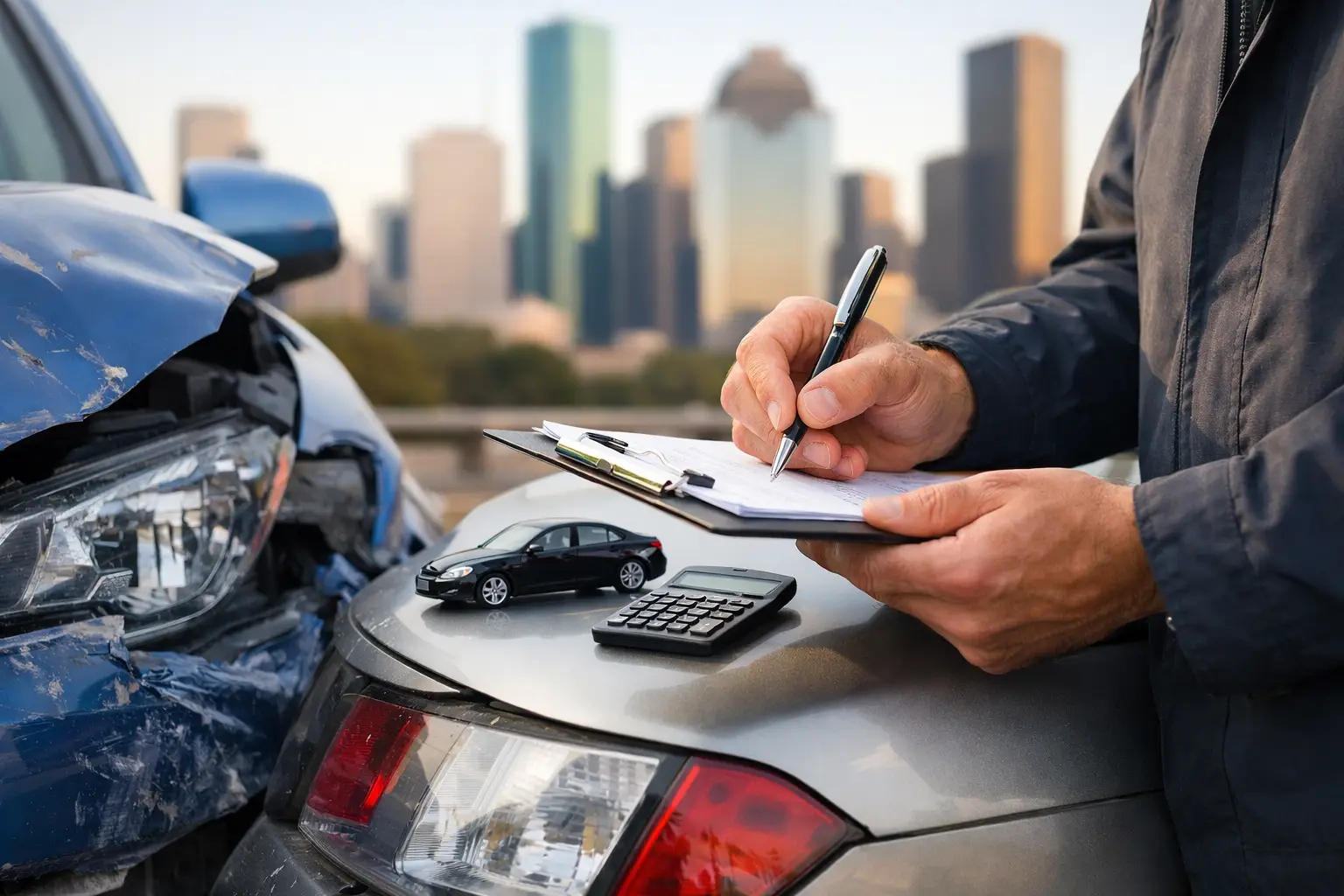
A fender bender can throw off your whole week in a matter of seconds. If you are looking for a collision estimate guide after an accident in Houston, Stafford, Sugar Land, or Southwest Houston, the goal is simple: understand what you are being charged for, know what happens next, and avoid delays that cost you time and money.
After a crash, most drivers want the same three things. They want a fair price, a clear repair plan, and a shop that will not make the insurance process harder than it already is. That is exactly why the estimate matters. It is not just a number on a page. It is the first real picture of what your vehicle needs to be restored safely and properly.
What a collision estimate really tells you
A collision estimate is a written breakdown of visible damage, likely repair steps, parts, labor, paint work, and related charges. It gives you a starting point for repairs, but it is not always the final total on day one.
That surprises some drivers, especially after a minor-looking accident. Modern vehicles hide a lot behind the bumper cover, grille, quarter panel, or door skin. What looks like a small dent outside can involve broken clips, bent brackets, damaged sensors, or structural issues underneath. A good estimate accounts for what can be seen right away and explains that additional damage may be found once the vehicle is disassembled.
That does not mean the process is vague or uncontrolled. It means honest repair work depends on inspection, not guesswork.
Collision estimate guide: what is usually included
Most collision estimates include several core categories. You will usually see body labor, paint labor, parts, materials, and shop supplies. Depending on the damage, the estimate may also include frame or structural work, mechanical items, wheel alignment, diagnostic scans, calibration, and refinish procedures.
Parts can vary quite a bit in price depending on the vehicle and the repair plan. Some estimates use new OEM parts, while others may include aftermarket or recycled parts if allowed by the insurer or requested by the customer. There is no one-size-fits-all answer here. New OEM parts may offer a closer original fit, while alternative parts can help control cost. The right choice depends on your vehicle, your insurance coverage, part availability, and the nature of the damage.
Paint work is another area where people often underestimate what goes into the job. Repainting a damaged panel is not always limited to spraying that one area. Sometimes adjacent panels need to be blended so the color matches correctly. On newer vehicles and certain paint colors, that step can make a big difference in how the finished repair looks.
Why two estimates may not match exactly
It is common for drivers to compare estimates from different shops and notice that one is lower than another. Lower is not automatically better, and higher is not automatically inflated. Often, the difference comes down to how thoroughly the vehicle was inspected and what each shop included.
One shop may write only for visible surface damage. Another may include scans, calibration needs, blend panels, or manufacturer-recommended procedures from the beginning. A lower estimate can look appealing at first, but if it leaves out necessary work, it may not save you money or time in the long run.
This is especially true on vehicles with advanced driver assistance systems. Even a moderate front or rear impact can affect sensors and safety features that need to be checked and recalibrated. If those steps are missing from the estimate, that should raise questions.
What affects the cost of repairs
The size of the dent is only part of the story. Repair cost depends on where the damage is, what is behind the damaged area, and whether the impact affected safety systems or vehicle structure.
A scraped bumper may require minor refinishing, or it may hide reinforcement damage and sensor issues. A dented door may be repairable, or it may need replacement if the damage reaches intrusion beams, hinges, or inner structure. Rear-end damage can also affect the trunk floor, rear body panel, and alignment. Front-end hits may involve cooling components, headlights, radar systems, and more.
Vehicle make and model also matter. Luxury models, newer vehicles, and cars with limited part availability usually cost more to repair. Paint type, trim level, and electronic features can all influence the estimate.
Then there is repair timing. If a vehicle can be repaired instead of replaced, that may reduce parts cost but increase labor. In other cases, replacing a panel may be the more efficient and reliable path. Good shops make that call based on repair quality and safety, not just the fastest option on paper.
How insurance fits into the estimate process
If you are using insurance, the estimate becomes part of the claim process. In many cases, the insurer may prepare its own initial estimate or ask you to visit a shop for a repair assessment. That first insurance estimate is often a starting point, not the final repair bill.
Once repairs begin and hidden damage is uncovered, the shop may submit a supplement to the insurer for additional approved work. That is a normal part of collision repair. It does not mean something went wrong. It means the full extent of the damage was not visible until teardown started.
This is where communication matters. A shop that handles insurance coordination can save you a lot of back-and-forth. Instead of you trying to argue over labor lines, parts, or added damage, the shop works directly with the adjuster to keep the repair moving.
For busy drivers in Southwest Houston, that support is more than convenient. It shortens delays and reduces the stress that often follows an accident.
How to read a collision estimate without getting lost
You do not need to know every body shop term to ask the right questions. Start by looking at whether the estimate clearly identifies the damaged areas and lists the repair or replacement plan for each one. Then check whether paint and materials are included where needed.
Pay attention to notes about scans, calibrations, alignments, or additional procedures. On many late-model vehicles, these steps are part of a safe repair, not optional add-ons. If they are absent and your vehicle has sensors or safety systems near the damaged area, ask why.
It also helps to ask what is visible now versus what may be discovered later. A trustworthy shop will tell you plainly when the number could change after teardown and explain how supplements are handled if that happens.
You should also ask about parts choices. If the estimate uses aftermarket or recycled parts, find out whether that is required by insurance, chosen to manage cost, or simply the shop's standard approach. The answer may affect your decision.
Choosing a shop, not just a price
When people are stressed after a collision, it is easy to focus on the bottom line only. But the estimate is tied to the repair quality, turnaround time, and overall experience. A shop with years of collision repair experience, clear communication, and direct insurance handling often provides better value than a cheaper estimate that leads to delays and confusion.
Local reputation matters too. A family-owned shop that has served Houston-area drivers for years understands what customers need in the middle of a claim: honest answers, practical timelines, and work that restores confidence in the vehicle.
That is one reason many drivers choose Sosa Automotive Group for collision repair and free estimates. They are not just looking for a repair order. They are looking for a local team that knows how to move the process forward.
What to do before you approve the repair
Before signing off, make sure you understand the expected repair timeline, how insurance supplements will be handled, and whether there may be delays related to parts availability. Ask if the shop will keep you updated during the process. That question matters more than people think.
A good estimate should leave you better informed, not more confused. You should know what work is planned, what factors could change the cost, and who will communicate with your insurance company if needed.
If your vehicle has collision damage, getting a prompt estimate is the best next step. Waiting can lead to more problems, especially if hidden damage affects alignment, lighting, sensors, or body panel fit. Even minor cosmetic damage can become a bigger issue if it is ignored.
The right shop will treat the estimate as the beginning of a repair plan, not just a sales sheet. When the process is handled clearly and professionally, you can make decisions with less stress and get back on the road with more confidence.
A collision estimate should give you clarity at a time when a lot feels uncertain, and that peace of mind is worth more than a quick number scribbled on a page.