
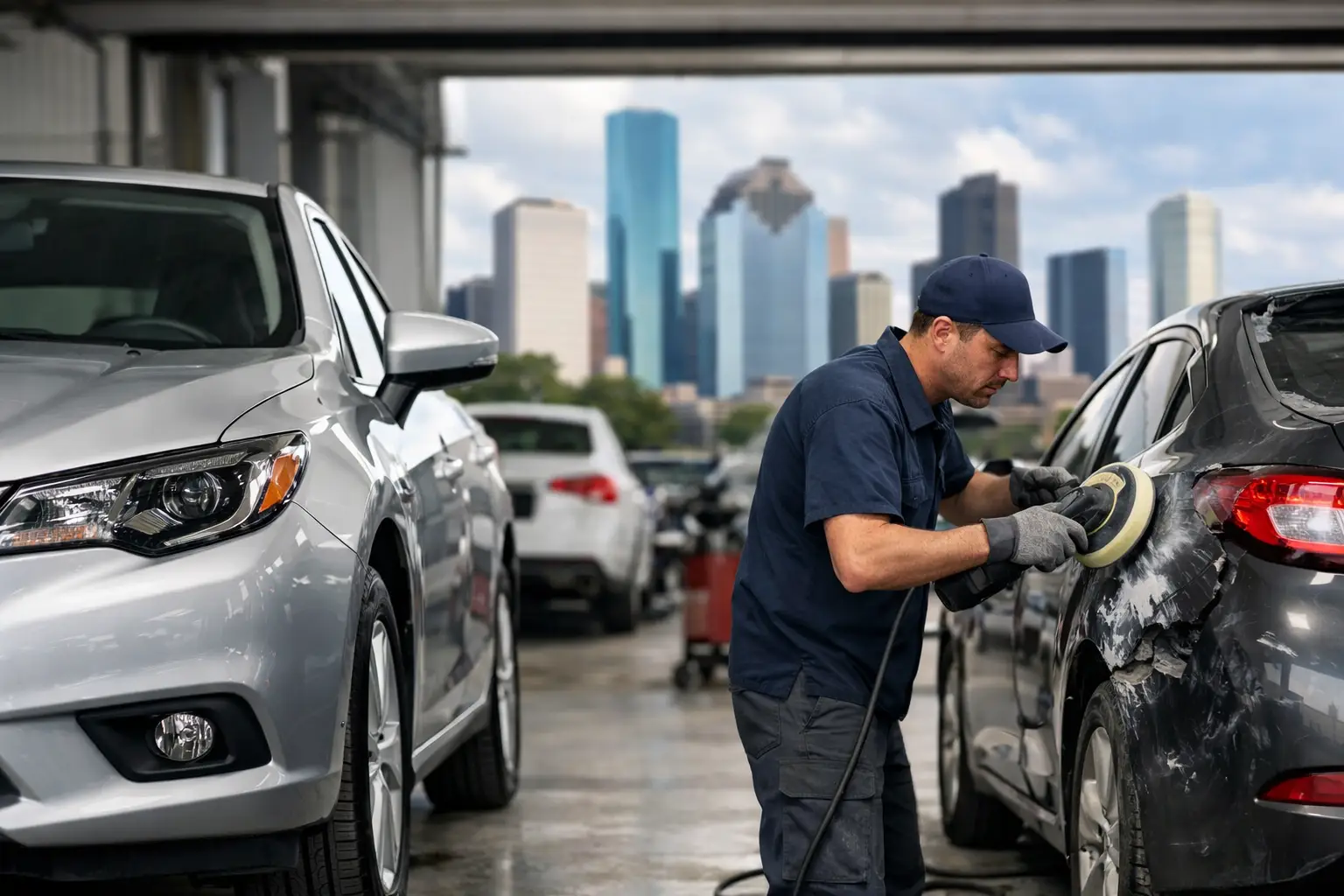
A collision can disrupt much more than your car. It can affect your commute, work schedule, family routine, and peace of mind. When you need collision repair Houston drivers can count on, the right shop should make the next steps clearer: inspect the damage, explain the estimate, coordinate with insurance when needed, and restore your vehicle with care.
For drivers in Houston 77083, Stafford, Sugar Land, and Southwest Houston, choosing a local body shop often means getting more direct communication and practical support during a stressful situation. The goal is not simply to make a damaged vehicle look better. It is to repair it properly so you can get back on the road with confidence.
What Quality Collision Repair in Houston Should Include
Collision damage is not always obvious from the outside. A cracked bumper, dented fender, or scraped door may be visible right away, but an impact can also affect mounting points, panels, sensors, lights, suspension components, or alignment. That is why a careful inspection matters before repair work begins.
A dependable collision repair process starts with a clear damage assessment. Your shop should walk you through what was found, what repairs are recommended, and whether replacement parts may be needed. If additional damage is discovered after disassembly, you should be informed before the work moves forward.
Good repair work also pays attention to the details that affect both appearance and function. That can include body panel repair, bumper restoration, paint preparation, color matching, refinishing, and reassembly. The exact work depends on the accident, the vehicle, and the condition of the damaged area. A minor parking-lot dent calls for a different approach than a side-impact collision or rear-end accident.
Start With Safety, Then Document the Damage
After an accident, safety comes first. If anyone is injured, contact emergency services. If the vehicle is unsafe to drive, arrange for towing rather than risking more damage or putting yourself in danger on the road.
Once you are in a safe place, take photos of the damage from several angles. Capture close-ups as well as wider shots that show the vehicle's overall condition. Keep the other driver's information, accident report details if available, and any insurance claim number. These records can help when you speak with your insurer and request a repair estimate.
Even if your car seems drivable, pay attention to warning lights, unusual noises, pulling while steering, loose body panels, fluid leaks, or doors that no longer close correctly. Those signs can point to damage that needs prompt attention. Waiting can sometimes allow a small issue to become a more expensive repair.
Free Estimates Help You Make a Clear Decision
A free estimate gives you a starting point without adding another expense after an accident. It lets a repair professional inspect the visible damage, discuss likely repair needs, and explain the anticipated scope of work.
An estimate is not a promise that hidden damage does not exist. Modern vehicles have components behind bumpers, panels, and trim that cannot always be evaluated until parts are removed. If further damage is found, the repair shop may need to submit a supplement to the insurance company. This is a normal part of many collision claims, especially when the impact was more than cosmetic.
What matters is communication. You should know what is happening with your vehicle, why additional work may be necessary, and how it could affect the repair timeline. Clear answers are especially valuable when you rely on your vehicle for work, school drop-offs, appointments, or everyday errands.
Insurance Assistance Can Reduce the Stress
Handling an insurance claim can feel like a second job when you are already dealing with an accident. A local collision shop that works directly with insurance companies can help reduce that burden by providing estimates, sharing repair information, and responding to requests connected to the claim.
You should still understand your coverage, deductible, and rental-car options. Your insurer can explain what your policy includes, while the repair shop can explain the work your vehicle needs. Keeping both conversations moving helps prevent avoidable delays.
It also helps to ask who will contact you with updates. Some customers prefer to hear directly from the shop about repair progress, while others want the insurance company involved in every approval. Either approach can work, as long as everyone has the right information and expectations are clear.
Paint and Body Work Require More Than a Quick Fix
Houston heat, heavy rain, road debris, and daily traffic can be hard on a vehicle's exterior. After body repairs are completed, paint work needs to do more than cover the damaged spot. Proper preparation helps the repaired area blend with the rest of the vehicle and protects the surface from the elements.
Paint matching is especially important on metallic, pearl, and faded finishes. Vehicle color can change over time because of sun exposure and normal wear. A careful shop evaluates the existing finish and works to achieve a consistent appearance across the repaired area.
Some damage may be limited to paint scuffs, clear-coat issues, small dents, or scratches that do not involve a major collision claim. In those cases, body and paint services may still be the right solution. An inspection can help determine whether repair is appropriate or whether a part should be replaced for the best long-term result.
Why Local Experience Matters After an Accident
A repair shop's experience matters, but so does its connection to the people it serves. Local drivers need straightforward service, not confusing explanations or unnecessary pressure. They want to know whether their car is safe, how the claim is progressing, and when they can reasonably expect to have their vehicle back.
Sosa Automotive Group has served the local community for more than 20 years as a family-owned automotive business. That kind of long-term presence reflects the value of treating customers fairly, communicating clearly, and standing behind the work. For many families and commuters in Southwest Houston, a trusted neighborhood shop is easier to work with than a distant repair facility where you never speak to the same person twice.
Local service also means understanding the demands placed on vehicles in this area. Daily commutes through Houston traffic, school runs, work trucks, weekend travel, and sudden storms all make dependable transportation essential. Repair decisions should support the way you actually use your vehicle.
Questions Worth Asking Before You Approve Repairs
Before authorizing collision repairs, ask how the damage will be evaluated, whether the shop can assist with insurance communication, and how you will receive updates. You can also ask whether parts will be repaired or replaced and why that recommendation is being made.
There is not one right answer for every vehicle. Repairing a panel can be a sensible choice when the damage is limited and the panel can be restored safely. Replacement may be better when structural integrity, fit, or safety-related components are affected. A good shop explains the trade-off instead of treating every repair the same.
Ask about the expected timeline, but remember that parts availability and insurance approvals can affect it. A realistic answer is more useful than an overly optimistic promise. The best repair experience combines quality work with honest communication from the first estimate through final pickup.
Get Back on the Road With Confidence
After an accident, you do not need more uncertainty. You need a repair team that can inspect the damage carefully, provide a free estimate, help with insurance coordination, and complete body and paint work with attention to detail.
If your vehicle has been damaged in Houston, Stafford, Sugar Land, or Southwest Houston, do not ignore dents, loose panels, warning lights, or paint damage. Getting a professional assessment early can give you a clearer path forward and help protect the vehicle you depend on every day.