
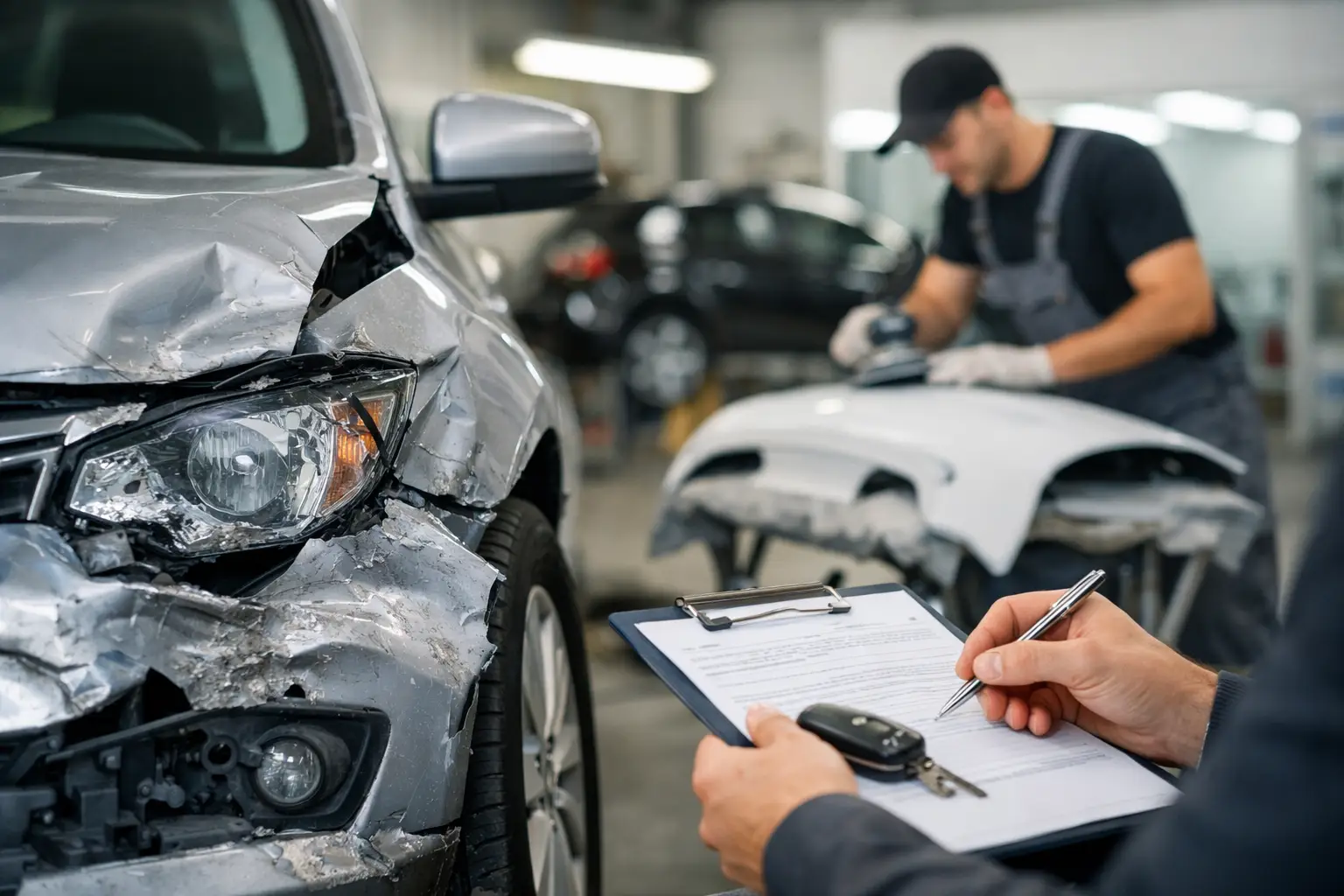
A wreck can ruin your day in a few seconds. What usually makes it worse is not knowing what happens next. This collision repair process guide is here to give you a clear picture of what to expect, how repairs typically move forward, and where delays can happen so you can make better decisions for your vehicle.
If you have never dealt with body repair before, the process can feel confusing fast. You may be talking to a tow company, your insurance adjuster, and a repair shop all at once. The good news is that a quality collision shop should help simplify the process, not add to the stress.
What the collision repair process guide starts with
The first step is a damage assessment. That usually begins with a visual inspection and a written estimate. At this stage, the shop looks at the obvious damage to panels, lights, trim, glass, and visible structural areas. If the accident was more than a light bump, keep in mind that some damage may be hidden until the vehicle is disassembled.
That matters because the first estimate is often not the final total. Customers sometimes worry when they hear the word supplement, but supplements are common in collision work. Once parts come off and the technician can see what is underneath, additional repairs may be needed.
A good shop should explain that possibility upfront. Clear communication early on helps avoid frustration later.
Estimate, insurance, and approval
After the initial inspection, the repair plan has to be approved. If you are paying out of pocket, this may be a straightforward yes or no decision based on the estimate. If insurance is involved, the process depends on your carrier, your coverage, and whether an adjuster needs to inspect the vehicle.
This is one area where direct insurance handling can save customers time. Instead of going back and forth on paperwork yourself, the repair shop can often coordinate documentation, supplements, and repair updates with the insurance company. For busy drivers in Houston, Stafford, Sugar Land, and Southwest Houston, that support makes a real difference.
There is also a practical trade-off here. Insurance approval can help control costs, but it can add time if there are delays in communication or parts authorization. The fastest path is not always the same as the cheapest path, and the right choice depends on your situation.
Disassembly reveals the full scope
Once repairs are approved, the vehicle is moved into disassembly. This is where technicians remove damaged parts and inspect the vehicle more thoroughly. Hidden issues are often found at this stage, especially behind bumpers, fenders, and quarter panels.
Modern vehicles are built with crumple zones, sensors, brackets, and support components that are designed to absorb impact. From the outside, damage may look minor. Underneath, there may be bent reinforcements, broken mounting points, or alignment issues that need attention before cosmetic work can begin.
This is also why a shop should never promise an exact timeline too early. Some jobs are straightforward. Others change once the vehicle is opened up. Honest repair shops will tell you what they know, what they still need to confirm, and what might affect the completion date.
Structural and body repair
After disassembly, the actual repair work begins. If the frame or unibody structure is out of specification, the vehicle may need structural correction before any panel fitting or refinishing work is done. That step is critical because body panels, suspension geometry, and safety systems all depend on the vehicle being restored to proper measurements.
Once structural issues are handled, technicians repair or replace damaged body components. Depending on the impact, that may include bumpers, doors, fenders, hoods, quarter panels, rocker panels, or trunk areas. Some parts can be repaired if the damage is limited. Others should be replaced if the integrity of the part is compromised.
This is one of those areas where it depends. Repairing a panel may save money and reduce parts delays, but replacement may be the better option if the damage is severe or if the panel cannot be restored to the right fit and finish. The right decision should be based on safety, condition, and long-term quality, not just speed.
Paint preparation and refinishing
Paint work starts long before color is sprayed. The repaired area has to be shaped properly, sanded, primed, and prepared so the finish looks right and lasts. If the prep work is rushed, the final result usually shows it.
Color matching is another important part of the process. Factory paint codes help, but an exact match often takes more than reading a label. Sun exposure, age, and existing finish condition can all affect how the original paint looks today. That is why experienced paint technicians may need to blend adjacent panels for a more natural match.
Customers sometimes expect paint work to be quick, but refinishing takes time if it is done correctly. Proper drying, curing, and finishing steps matter. A vehicle may look fine when it first leaves the shop, but long-term appearance depends on how well the prep and paint process were handled.
Reassembly and quality checks
After paint and body work are complete, the vehicle moves into reassembly. Trim pieces, lights, moldings, sensors, emblems, liners, and other components are reinstalled. This stage sounds simple, but it is where attention to detail matters.
A vehicle should not leave the shop with loose clips, warning lights, misaligned panels, or missing hardware. Reassembly also gives technicians a chance to verify that repaired areas fit correctly and that visible gaps and lines are consistent.
Many newer vehicles also require calibrations after collision repair. Depending on the model, this may include camera systems, parking sensors, lane assistance features, or other driver-assist technology. If those systems were affected by the impact or by the repair process, they need to be checked before the job is considered complete.
Final inspection and delivery
The last stage is final inspection. The shop reviews the repair, checks the finish, confirms that approved work was completed, and prepares the vehicle for pickup. Some shops also road test the vehicle when needed to verify performance after repairs.
Before you drive away, it is fair to ask questions. Review the completed work, ask about any replaced parts, and make sure you understand your paperwork. If something looks off, bring it up right away. A reputable shop should be willing to walk you through the repair and explain what was done.
At Sosa Automotive Group, the goal is to make this part easier for local drivers by combining repair experience with clear communication, free estimates, and help with the insurance side. That kind of practical support matters when you are trying to get back to normal.
Common reasons repairs take longer
Most customers want one answer above all others: How long will it take? The honest answer is that timelines vary.
Parts availability is a major factor. Even if the shop is ready to move, the job can stall if a manufacturer part is backordered. Insurance approvals can also slow things down, especially when supplements are needed. On top of that, hidden damage may add repair steps that were not visible during the first estimate.
Weather and workload can affect paint scheduling too. A busy shop with a strong local reputation may have a full schedule, which is not always a bad sign. The key is whether the shop communicates realistic timing and keeps you informed as the repair moves forward.
How to choose the right repair shop
A solid collision repair process guide should also help you choose where to take your vehicle. Look for a shop that explains the process clearly, provides written estimates, and communicates well about insurance coordination. Experience matters, but so does how the staff treats you when you are already dealing with a stressful situation.
Local trust matters too. A family-owned shop that has served the area for years often understands what customers need most: honest timelines, straightforward answers, and repairs done right the first time. Free estimates and direct insurance handling are not small conveniences. For many drivers, they are the difference between a manageable repair experience and a frustrating one.
If your vehicle has been in an accident, you do not need a complicated sales pitch. You need a shop that can inspect the damage, explain the next step, and help you move forward with confidence. The best repair process is the one that leaves you feeling informed, respected, and safe when you get back on the road.