
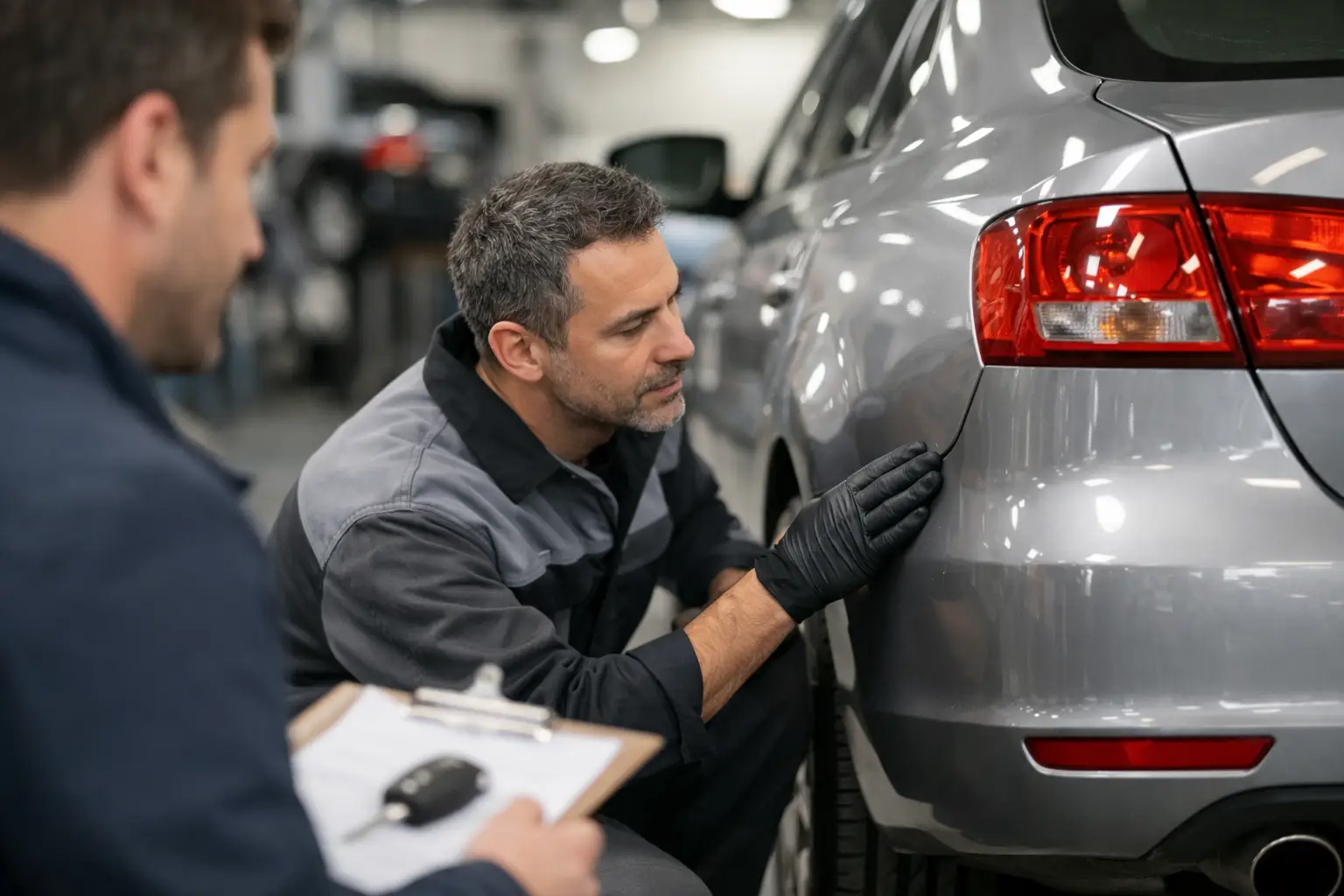
After a collision, a repaired vehicle may look fine when you pick it up, but the real question is whether the work will hold up months later. Do body shops guarantee repairs? Many reputable shops stand behind their workmanship, but the warranty terms can vary widely. Before authorizing repairs, ask what is covered, how long coverage lasts, and what you need to do if a problem appears.
A repair guarantee is more than a promise that the paint will shine on delivery day. It should give you confidence that the shop will correct defects related to its work, whether that involves panel alignment, paint quality, or an issue with a repaired component. The key is understanding where the shop's responsibility ends and where parts manufacturers, insurers, or normal vehicle wear begin.
Do Body Shops Guarantee Repairs in Writing?
The best answer is: they should provide clear warranty information in writing. A verbal assurance is helpful, but a written repair warranty gives you something specific to reference if you notice an issue after taking your vehicle home.
A body shop warranty commonly covers workmanship. That means the shop may stand behind repairs such as body panel installation, welding, refinishing, paint application, and labor performed during the repair. If a paint defect develops because of improper preparation or application, or a repaired panel is not properly aligned, the shop should inspect the concern and determine whether it is related to its work.
The length of coverage depends on the shop and the type of repair. Some shops offer limited warranties for a set period, while others may offer a lifetime warranty on qualifying workmanship for as long as you own the vehicle. “Lifetime” does not always mean every part of the repair is covered forever. Read the actual terms and ask questions before relying on that phrase.
What a Collision Repair Warranty Usually Covers
A quality guarantee generally focuses on the work the repair facility controls. This may include the fit and finish of repaired body panels, refinishing work, paint adhesion, labor-related defects, and certain repairs made to restore collision damage.
For example, if a bumper was repaired and the finish begins peeling because the surface was not prepared correctly, that may fall under the shop's paint or workmanship warranty. If a door was repaired after an accident and later does not latch correctly because of an adjustment issue, the shop should have an opportunity to inspect and address it.
Paint is one area where customers understandably have questions. Modern paint matching involves more than selecting a factory color code. Age, sun exposure, previous paintwork, and the condition of adjacent panels can affect how a color appears. A reputable shop will explain whether blending into nearby panels is needed to produce a consistent result. A warranty may cover defects in application, but it may not guarantee that an older, faded finish will match a freshly painted panel under every lighting condition.
What May Not Be Covered
Not every issue that appears after a repair is caused by the body shop. A fair warranty will explain exclusions instead of making broad promises that cannot be kept.
Parts often carry their own manufacturer warranty. This is especially true for replacement lights, sensors, mechanical components, trim pieces, and aftermarket parts. If a replacement part fails because of a manufacturing defect, the part supplier's warranty may apply, while the shop may still handle the process of identifying the problem and helping coordinate a solution.
Pre-existing damage is another common exclusion. If your vehicle had rust, prior collision damage, worn suspension parts, a failing electrical component, or an old paint defect unrelated to the current accident, those conditions may affect the vehicle after the repair without being covered by the new repair warranty.
Normal wear and outside damage are not usually covered either. Road debris, hail, vandalism, another accident, improper washing, or neglect can all damage a repaired area. In Houston, intense heat, heavy rain, sun exposure, and road conditions can be tough on any vehicle finish, but they do not automatically indicate a workmanship issue.
Insurance Approval Is Not the Same as a Guarantee
Insurance companies help pay for covered accident repairs, but insurance approval is different from a body shop warranty. Your insurer may write an initial estimate based on visible damage. Once the shop begins disassembly, it may find hidden damage behind the bumper, fender, or other panels. Those additional repairs are called supplements and typically need insurer review before work continues.
A repair facility that handles insurance coordination can make this process less stressful. The shop can document the damage, communicate with the adjuster, and explain why added work is necessary. Still, the insurer's role is to determine claim coverage under your policy, while the shop's role is to perform safe, proper repairs and stand behind its workmanship.
It is also worth asking whether the estimate includes original equipment manufacturer parts, aftermarket parts, recycled parts, or a combination. The answer may depend on your insurance policy, vehicle age, parts availability, and the insurer's requirements. Each option has trade-offs. OEM parts may be preferred for fit or specific vehicle systems, while alternative parts can be more readily available or may be required by the claim plan. What matters is that you understand what is being installed and that the shop explains any fitment or warranty differences.
Questions to Ask Before You Approve Repairs
You do not need to be an auto body expert to protect yourself. Ask the shop whether it provides a written warranty, what labor and paint work are covered, how long coverage lasts, and whether replacement parts have separate coverage.
Also ask how the shop handles a concern after delivery. A dependable answer should be simple: contact the shop, bring the vehicle in for an inspection, and allow the team to review whether the issue is related to the repair. Keep your final invoice, warranty paperwork, insurance estimate, and any parts documentation in a safe place.
If your vehicle has advanced driver-assistance features, ask about calibration as well. Cameras, radar sensors, lane-assist equipment, parking sensors, and blind-spot systems may need inspection or recalibration after certain collision repairs. This is not just a cosmetic detail. Proper calibration can be part of returning the vehicle to safe operation.
Signs You Are Working With a Shop That Stands Behind Its Work
A reliable collision repair shop does not avoid questions about warranties. It explains the repair plan in plain language, identifies what insurance has approved, and lets you know if hidden damage changes the estimate or timeline. It also documents the work rather than relying on vague assurances.
Look for a shop that is willing to discuss repair quality before work begins, not only after a problem occurs. Clear communication about parts, paint, expected completion time, and warranty terms usually reflects an organized repair process.
For drivers in Houston 77083, Stafford, Sugar Land, and Southwest Houston, Sosa Automotive Group provides free estimates and helps coordinate insurance repairs so customers have a clearer path forward after an accident. With more than 20 years of local experience, the focus is on practical answers, quality body work, and helping customers understand what their repair involves.
A warranty should give you reassurance, but it should never replace a careful repair decision. Choose a shop that explains the work, documents its guarantee, and welcomes you back if something does not look or perform as it should. That kind of accountability matters long after the accident is out of sight.