
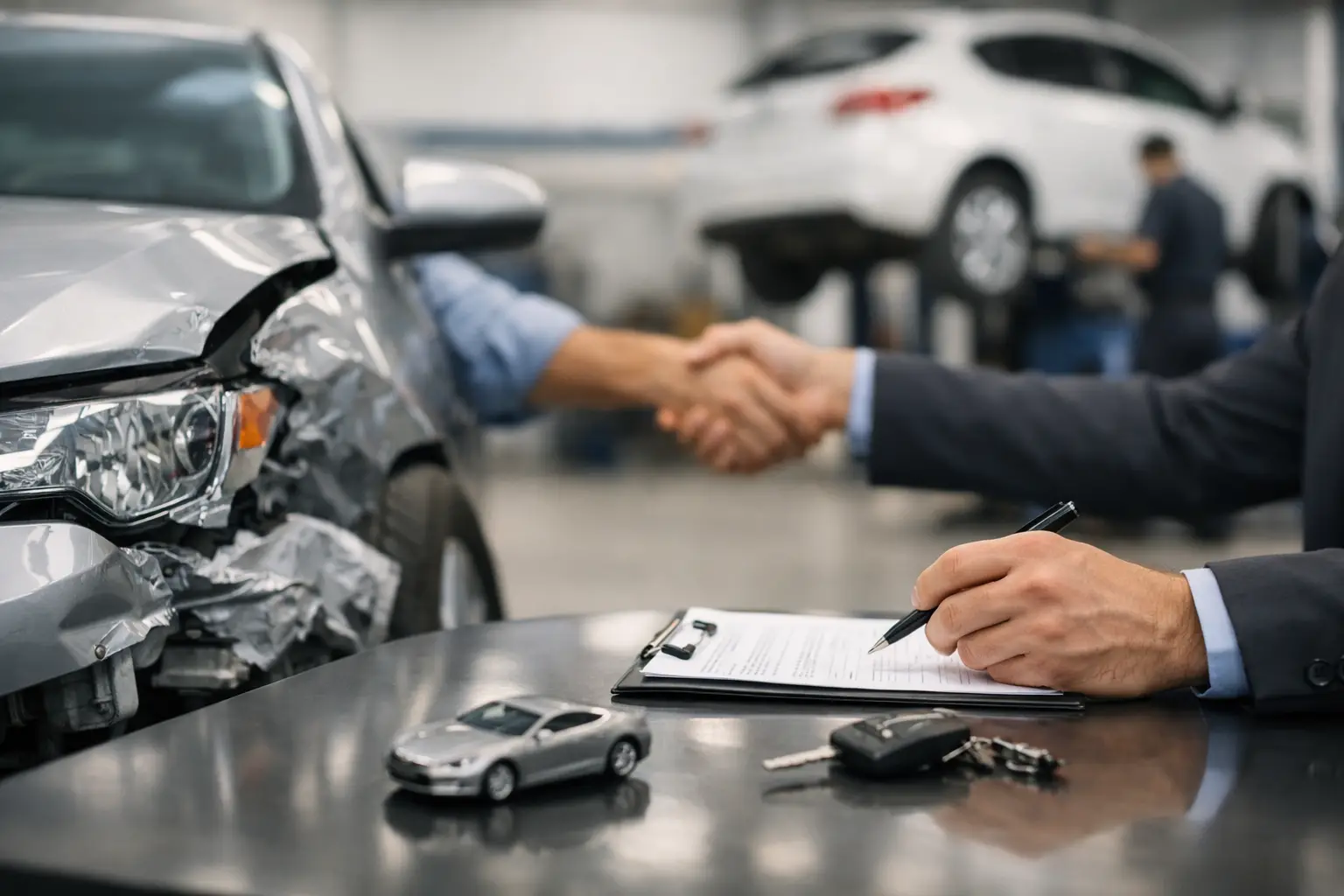
A lot of drivers ask the same question right after a crash: does insurance cover collision repairs, or are you about to pay out of pocket? The answer depends on your policy, who caused the accident, and the type of damage involved. In many cases, insurance does help pay for repairs, but the details matter more than most people realize.
If your vehicle has damage from a wreck, the fastest way to lower stress is to understand what your coverage actually includes before repairs begin. That helps you avoid surprises about deductibles, delays, rental coverage, and whether the insurance company will pay the full amount needed to restore your car properly.
Does insurance cover collision repairs in every accident?
Not in every accident. Collision repair coverage usually depends on the kind of insurance you carry.
If you have collision coverage on your own auto policy, it typically helps pay to repair your vehicle after an accident, even if you were at fault. This is the part of your policy designed for impact damage, such as hitting another car, backing into a pole, or sliding into a curb. You would usually pay your deductible first, and then the insurer would cover approved repair costs up to the value allowed under the policy.
If another driver caused the accident, their property damage liability coverage may pay for your collision repairs. In that situation, your insurance company may not be the one paying first unless you use your own collision coverage and let the insurers work it out afterward.
If you only carry liability insurance and do not have collision coverage, your own policy generally will not pay for damage to your vehicle after an at-fault accident. That is where many drivers get caught off guard.
What kind of damage is usually covered?
Collision repairs usually involve damage caused by impact. That can include dents, crushed panels, bumper damage, broken lights, frame issues, paint damage, and other visible or hidden problems caused by a crash.
Coverage can extend beyond what you see on the surface. A vehicle may look drivable after an accident but still have structural damage, alignment problems, suspension issues, or damage behind the bumper. That is one reason a proper estimate matters. The first visible damage is not always the full repair.
Insurance may also cover replacement parts, paint work, body labor, and related procedures needed to bring the vehicle back to pre-accident condition, subject to policy limits and claim approval. The exact amount depends on the estimate, the insurer's review, and whether additional damage is found once repairs begin.
What insurance usually does not cover
Even when insurance covers collision repairs, it does not mean every cost is automatically included.
Your deductible is a common out-of-pocket expense if you use your own collision coverage. If your deductible is $500, for example, that amount is usually your responsibility before insurance pays the rest of the approved repair cost.
Insurance may also question unrelated pre-existing damage, wear and tear, mechanical problems that did not come from the accident, or cosmetic concerns outside the loss. If your bumper already had old damage before the crash, that can become part of the discussion.
There are also cases where the insurer decides the vehicle is a total loss instead of approving full repairs. If repair costs approach or exceed the car's actual cash value, the company may choose to total it rather than pay for complete collision repair.
Does insurance cover collision repairs if you were at fault?
Yes, it can - but only if you carry collision coverage on your own policy.
This is one of the biggest misunderstandings after an accident. Fault matters, but the type of coverage on your policy matters just as much. If you caused the accident and have collision coverage, your insurer will usually still help pay for repairs to your vehicle, minus your deductible.
If you caused the accident and only have liability coverage, your policy generally pays for the other party's damage, not your own vehicle repairs.
That is why many drivers choose collision coverage even on older vehicles, especially if they depend on the car for work, school, or daily commuting around Houston, Stafford, or Sugar Land. The value is not just about the vehicle itself. It is also about avoiding a repair bill at the worst possible time.
What happens after you file a claim?
Once a claim is opened, the insurance company usually assigns an adjuster or starts a review process. They may ask for photos, a statement about the accident, a police report if one exists, and an estimate for repairs.
In some cases, the insurer writes an initial estimate based on visible damage. That is not always the final number. Once the repair shop starts disassembly, hidden damage may appear. When that happens, the shop submits a supplement to the insurer for additional approval.
This is normal in collision repair. A clean-looking bumper can hide damage to brackets, sensors, reinforcement bars, or nearby panels. A good repair process accounts for that instead of guessing.
Working with a shop that handles insurance communication can make this much easier. It helps keep the paperwork moving and reduces the back-and-forth that often slows repairs down.
Can you choose your own repair shop?
In many cases, yes. Drivers are often told where they can go, but you generally have the right to choose the repair shop you trust.
Insurance companies may recommend certain shops in their network. That does not automatically mean you have to use one of them. The better question is whether the shop you choose is experienced, communicates clearly, and knows how to work with insurers while protecting the quality of the repair.
For local drivers, that matters. You want a shop that understands both the repair side and the claims process, especially when your schedule is already disrupted by the accident.
Why repair estimates can change
One estimate is not always the whole story. Collision damage is often layered.
A vehicle may need body repair, paint matching, parts replacement, sensor calibration, or structural work that was not obvious at first glance. Newer cars make this even more common because many components are tucked behind panels and bumpers. What looks like minor front-end damage can involve cameras, parking sensors, or support pieces that affect safety and performance.
That does not mean something is wrong with the process. It means the repair is being updated based on what is actually found. A careful shop documents that damage and works with the insurer for approval rather than cutting corners.
Timing, rentals, and delays
Insurance coverage for repairs does not always mean the process moves quickly. Parts availability, claim approval, supplemental damage, and insurer response times can all affect how long the repair takes.
Rental car coverage is also separate from collision coverage in many policies. Some drivers assume a rental is automatic after a crash, but that depends on whether rental reimbursement was added to the policy or whether the at-fault party's insurer accepts responsibility.
This is another place where clear communication helps. Knowing what insurance is paying for at the start can help you plan around work, school pickups, and daily transportation.
How to avoid surprises before repairs start
The best approach is simple. Ask direct questions early.
Find out whether you are using your own collision coverage or filing through the other driver's insurance. Confirm your deductible. Ask whether the insurer has inspected the vehicle yet. Make sure the estimate reflects likely repair needs, not just what is visible from the outside.
It also helps to choose a repair shop that gives free estimates and handles insurance coordination directly. For many drivers, that removes a major layer of stress. Instead of trying to manage adjusters, parts, supplements, and repair updates alone, you have a team helping move the job forward.
At Sosa Automotive Group, this is the kind of practical support local drivers often need most after an accident - not complicated talk, just clear help getting the vehicle repaired and the claim process handled properly.
So, does insurance cover collision repairs?
Often, yes. But not automatically, and not the same way in every claim.
If you have collision coverage, your policy will usually help pay for accident-related repairs to your car, even if you were at fault, subject to your deductible and policy terms. If another driver caused the crash, their insurance may be responsible for the damage. If you only carry liability coverage, your own repairs may not be covered at all.
The smartest next step after a collision is not guessing. It is getting the damage looked at, understanding your coverage, and working with a repair shop that can explain the process in plain language. When your car is damaged, peace of mind starts with straight answers and a repair plan you can trust.