
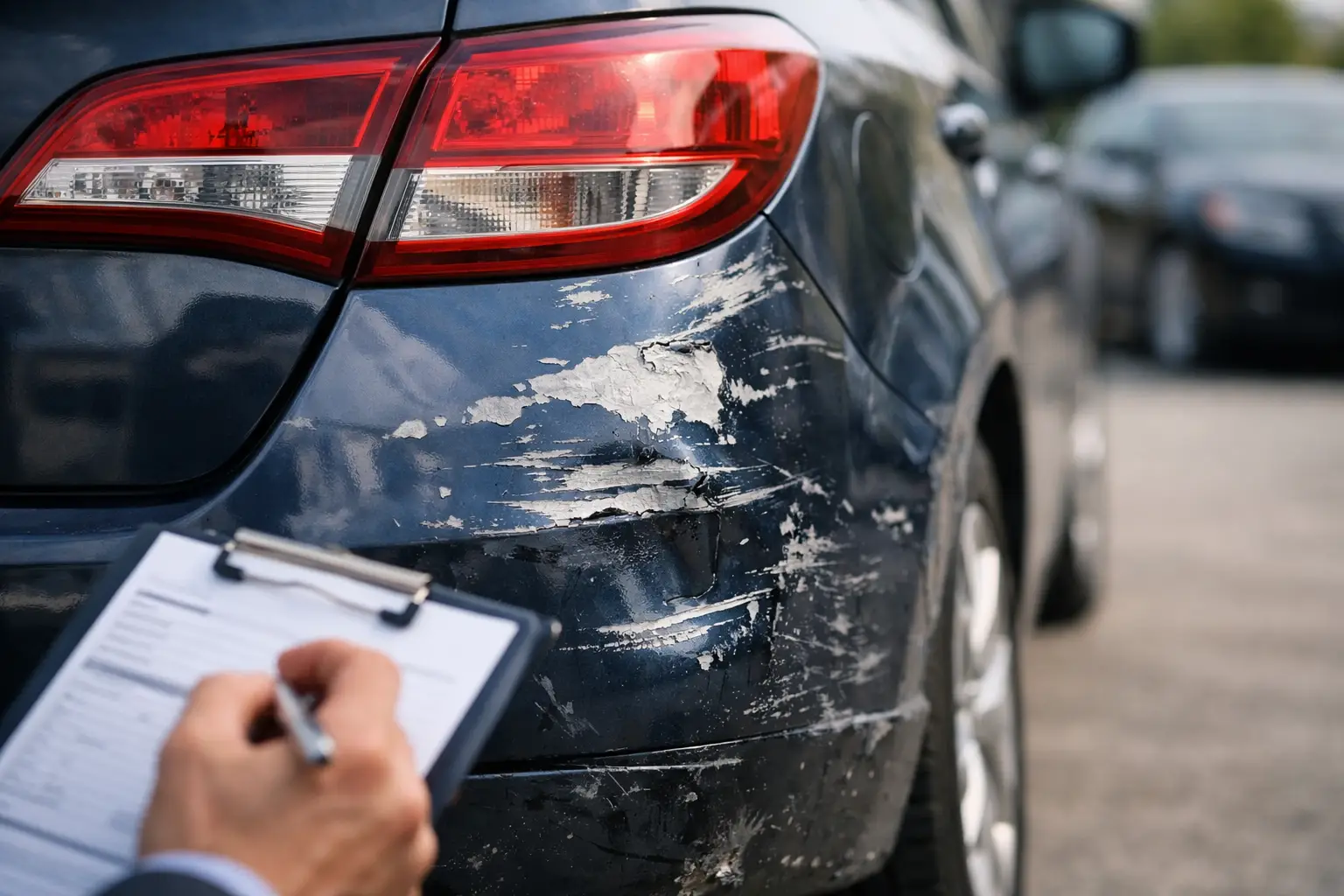
A fresh scrape along your door, peeling clear coat after a storm, or paint transfer from a parking lot hit can make a vehicle look worse than the damage first appears. So, does insurance cover paint damage? Often, yes - but coverage depends on what caused the damage, the type of policy you carry, and whether the repair cost is higher than your deductible.
For Houston-area drivers, the fastest way to get a clear answer is to document the damage, review your policy, and get a professional estimate before approving repairs. Paint damage can sometimes be cosmetic, but it can also expose metal and lead to corrosion if it is left untreated.
Does Insurance Cover Paint Damage From an Accident?
If another vehicle hit your car and damaged the paint, the other driver's property damage liability coverage may pay for repairs when they are at fault. This can include paint transfer, scratches, dents, cracked panels, and the refinishing needed to restore the repaired area.
If you caused the accident, collision coverage may help pay for your vehicle's body and paint repairs. Collision coverage generally applies when your car hits another vehicle, a pole, a curb, or another object. You will usually pay your collision deductible first, and your insurer pays the covered amount above that deductible, up to the vehicle's actual cash value.
For example, if a parking lot accident leaves a dented rear door and the repair estimate is $1,800, a $500 collision deductible could leave $1,300 paid by insurance. If the total repair cost is less than your deductible, filing a claim may not make financial sense.
Fault matters, but it is not always immediately clear. A police report, photos, witness information, and communications from the other driver can help support your claim when someone else caused the damage.
When Comprehensive Insurance May Cover Paint Damage
Comprehensive coverage is for damage that is not caused by a collision. It may cover paint damage from a covered event such as vandalism, hail, falling branches, fire, flood, or flying debris.
Someone keying your vehicle is a common example. Since intentional damage by another person is usually considered vandalism, comprehensive coverage may apply. Hail can also chip paint and damage panels across the vehicle, while a falling tree limb can scratch paint, dent a hood, and break glass in the same incident.
Houston weather can create these situations quickly. Storm debris, hail, and falling branches do not wait for a convenient time, so take photos as soon as it is safe. If vandalism is involved, file a police report promptly. Your insurer may request the report number as part of the claim.
Comprehensive claims also typically have a deductible. Check your declarations page rather than assuming the deductible for comprehensive is the same as your collision deductible. Many drivers choose different amounts for each coverage.
Paint Damage That Insurance Usually Does Not Cover
Auto insurance is designed for sudden, accidental losses. It generally does not pay for normal wear, maintenance issues, or an old paint problem that gradually became worse.
Common examples that may not be covered include faded paint from sun exposure, oxidation, peeling clear coat caused by age, rock chips from everyday driving, rust that developed over time, and poor paint from a previous repair. These are generally considered maintenance or cosmetic conditions rather than a covered loss.
There are exceptions worth checking. A large rock thrown from a truck or a sudden construction-related incident may be handled differently from ordinary road wear, especially if you can identify the responsible party. Still, insurers review the facts of each claim, and coverage is never automatic.
It is also wise to be careful when describing the damage. Be accurate about when and how it happened. Claiming that old damage resulted from a recent event can lead to delays, a denied claim, or more serious problems.
Why a Proper Paint Estimate Matters
Paint repairs are rarely just about applying color to a scratch. A quality repair may require cleaning, sanding, dent repair, corrosion treatment, primer, color matching, blending into nearby panels, clear coat application, and final polishing. The goal is to restore both appearance and protection.
Insurance estimates may change after the repair process begins. A shop may find hidden damage beneath a bumper cover, behind a dented panel, or under cracked paint. When that happens, the repair facility can submit a supplement to the insurer for the additional covered work.
This is one reason not to choose a repair plan based only on a quick visual estimate. A lower number is not always a complete repair. If the damage reaches bare metal or affects a panel's shape, the work should address the underlying issue before refinishing begins.
What to Do Before You File a Paint Damage Claim
Start by taking clear photos from several angles. Capture the full vehicle, close-ups of the damaged area, and anything that helps explain the cause, such as debris, another vehicle's license plate, or the location where the incident occurred.
Then gather the practical details your insurer may ask for:
- The date, time, and location of the damage
- A description of what happened and who was involved
- Photos, video, witness details, and a police report if applicable
- Your policy number and the name of the other driver's insurer, if known
Next, compare the estimated repair cost with your deductible. A minor bumper scuff may cost less than the deductible, making an insurance claim unnecessary. More extensive paint and body damage may make a claim the more practical choice.
You can choose the repair shop you want to use. Your insurance company may recommend shops in its network, but you are not required to use a particular facility. A trusted local shop can inspect the damage, prepare an estimate, communicate with the insurer, and explain what the repair involves in plain language.
Will Insurance Pay for a Full Paint Job?
Usually, insurance pays for the damage caused by the covered event, not a complete repaint simply because the rest of the vehicle has older paint. If a damaged fender requires refinishing, the insurer may approve painting that fender and blending adjacent panels when needed for a reasonable color match.
A full paint job could be considered if damage affects most of the vehicle, such as severe hail, widespread vandalism, or a major fire-related loss. Even then, the insurer will evaluate the vehicle's condition, value, and the terms of the policy.
This can feel frustrating if new paint does not perfectly match weathered paint elsewhere. Professional color matching and blending are used to create the best possible result, but factors such as age, sun exposure, and prior repairs can affect the finish. Ask the shop how it plans to blend the repair and what work is included in the estimate.
Help With Paint Repair Claims in Southwest Houston
After an accident or damage event, you do not need to sort out every repair and insurance question alone. Sosa Automotive Group provides free estimates and can work directly with insurance companies for collision repair, body work, and paint services. For drivers in Houston 77083, Stafford, Sugar Land, and Southwest Houston, that support can reduce the back-and-forth while your vehicle is being restored.
The best next step is simple: protect the damaged area from getting worse, save your documentation, and get a clear repair estimate. Whether insurance covers the paint damage or you decide to pay out of pocket, a timely professional repair can help your vehicle look right and stay protected.