
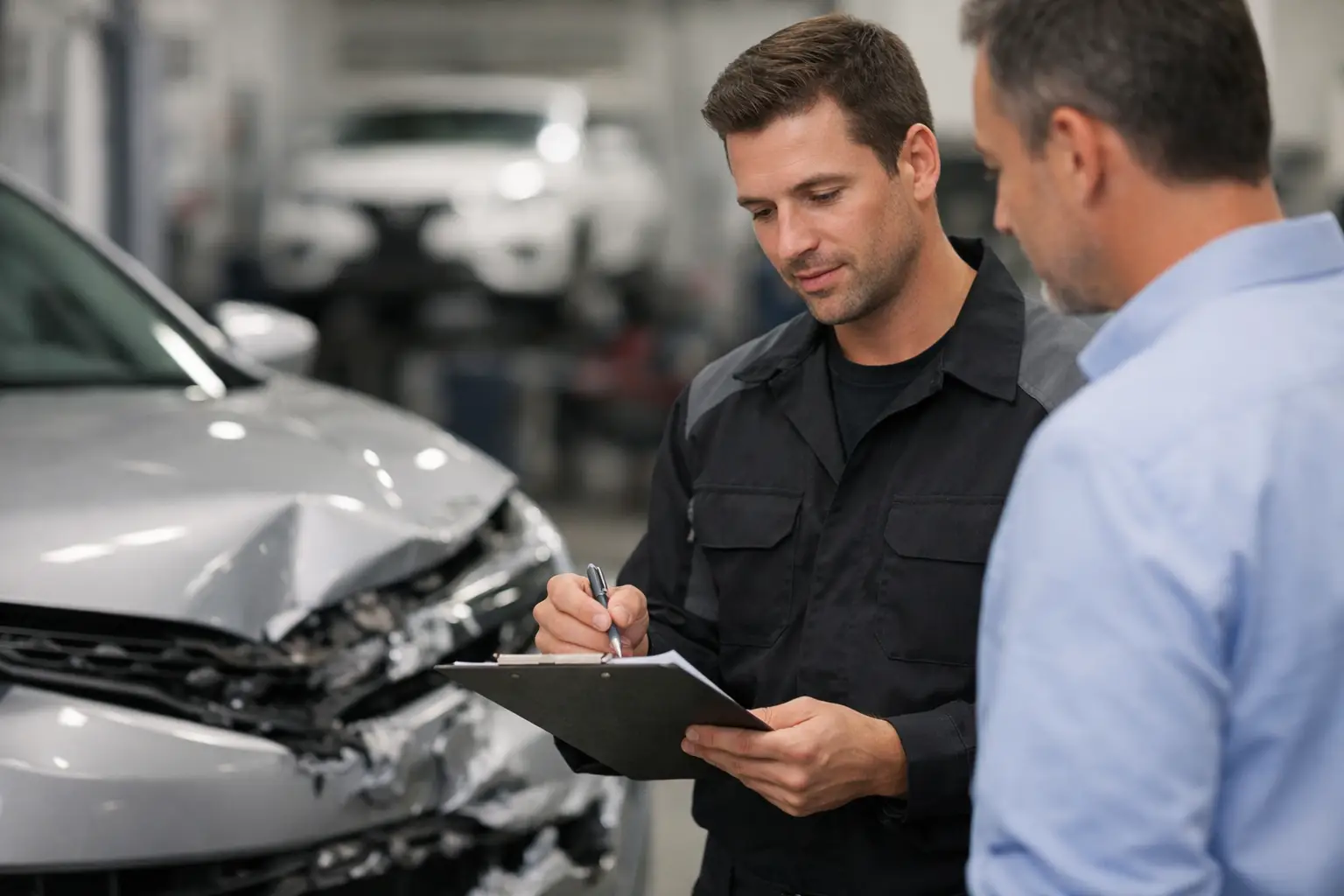
After an accident, most drivers want the same three things right away - to know if the car is safe, how much the repair may cost, and how long the process could take. A free collision repair estimate gives you a clear starting point. It helps you understand the visible damage, what repairs may be needed, and what the next step should be, whether you plan to file an insurance claim or pay out of pocket.
For many people in Southwest Houston, Stafford, Sugar Land, and the 77083 area, that estimate is also about peace of mind. When your vehicle is damaged, even a minor crash can throw off your schedule, your budget, and your confidence in the car. A straightforward estimate from an experienced local body shop helps take some of that stress off your shoulders.
What a free collision repair estimate includes
A collision estimate is more than a quick glance at a dented bumper. A shop typically starts by inspecting the visible damage to the body, panels, paint, lights, trim, and related parts. If the impact affected how the doors close, how the hood lines up, or how the vehicle drives, those signs may point to deeper structural or mechanical issues that need closer review.
The estimate usually lists labor, parts, paint materials, and repair procedures based on what can be seen at the time. It may also note whether replacement parts are likely needed or if a damaged panel can be repaired instead. That distinction matters because repairing a panel often costs less than replacing it, but it depends on the severity of the damage, the location of the impact, and whether the repaired area can be restored properly.
A good estimate should be clear, organized, and easy to discuss. You should be able to ask what is included, what is still uncertain, and what may change once disassembly begins.
Why the first estimate is not always the final cost
This is one of the most common points of confusion after a crash. A free collision repair estimate is based on visible damage. Once repairs begin and damaged parts are removed, technicians may find hidden issues behind the bumper, inside the quarter panel, or around mounting points and supports.
That does not mean the original estimate was wrong. It means collision repair often involves damage you cannot fully confirm until the vehicle is opened up. Modern vehicles are built with layered components designed to absorb impact. That helps protect passengers, but it can also hide damage beneath the surface.
This is especially true after front-end and rear-end collisions. What looks like a scraped cover on the outside may involve brackets, sensors, reinforcement bars, or alignment-related damage underneath. In those cases, supplements are normal. A supplement is simply an updated repair amount for damage discovered after the initial estimate.
Free collision repair estimate vs. insurance estimate
Drivers often assume the insurance estimate and the body shop estimate will match exactly. Sometimes they are close. Sometimes they are not.
An insurance estimate is prepared for claim handling and payment review. A repair shop estimate is prepared around the actual work needed to restore the vehicle. If the insurer has only reviewed photos or done a limited inspection, the first number may be lower than what full repairs require.
That is why it helps to work with a shop that can communicate directly with the insurance company. It saves time, reduces back-and-forth, and helps move the claim forward when additional damage is found. For customers, that support can make a frustrating process much easier to manage.
What affects your estimate
No two accidents are exactly the same, even when the damage looks similar at first glance. The final estimate depends on the vehicle, the impact, and the parts involved.
Vehicle make and model can change the cost substantially. Some cars have more expensive panels, specialty finishes, or parts that take longer to source. Newer vehicles may also include cameras, sensors, and driver-assist features that need calibration after a collision. That can add labor and equipment requirements that older vehicles did not have.
Paint work is another major factor. Matching color correctly takes skill, especially on metallic, pearl, and tri-coat finishes. The estimate may include blending adjacent panels so the repaired section matches the rest of the vehicle. That extra step is often necessary for a quality result.
The location of the damage matters too. A dent on a flat, accessible panel is different from damage near body lines, edges, wheel openings, or structural points. Some repairs are straightforward. Others require more labor to restore the panel correctly and maintain the vehicle's appearance and fit.
Should you get an estimate before filing a claim?
In many cases, yes. If the damage seems minor and you are unsure whether it makes sense to involve insurance, an estimate can help you make a better decision. You can compare the likely repair cost to your deductible and think through whether filing a claim is worth it.
That said, it depends on the accident. If there is major damage, another driver is involved, or liability is unclear, you may want to notify your insurer right away. If the car is not safe to drive, getting it inspected promptly matters more than trying to sort out every detail on your own.
A practical shop will tell you what they can confirm now and what may need a deeper inspection. That kind of honesty is more useful than a rushed number that sounds convenient but leaves out likely repairs.
How to get the most accurate estimate
If you want a useful estimate, bring the vehicle in when possible. Photos can help with a quick review, but they rarely show the full picture. Lighting, angles, and camera quality all affect what can be seen. In-person inspections are usually the best way to assess panel alignment, paint damage, cracked components, and signs of hidden impact.
It also helps to share what happened in the accident. If the vehicle was hit while parked, rear-ended at a stoplight, or struck hard enough to push a wheel out of alignment, those details give the estimator context that may not be obvious from appearance alone.
If you already have claim information, bring that too. It can speed up communication and make the process smoother if insurance is involved.
What to look for in a local repair shop
A free estimate is helpful, but the estimate alone should not be the only deciding factor. The goal is not just to find the lowest number. The goal is to find a shop that will repair the vehicle correctly, explain the process clearly, and handle the details without creating more stress.
Look for experience with collision repair, body work, and paint services. Ask whether the shop works with insurance companies and whether they help manage claim communication. For many drivers, that support matters as much as the repair itself.
Local reputation matters too. A family-owned shop with a long track record in the community often understands what customers need most - clear answers, fair treatment, and reliable work. In an area like Southwest Houston, where people depend on their vehicles every day, that practical support goes a long way.
Free collision repair estimate in Southwest Houston
If you are searching for a free collision repair estimate in Houston, Stafford, Sugar Land, or the 77083 area, convenience matters. You want a shop close enough to visit easily, experienced enough to spot real damage, and organized enough to help with the insurance side if needed.
That is where a trusted local team can make a real difference. Sosa Automotive Group has served area drivers for more than 20 years with collision repair, auto body work, paint services, and direct insurance handling. For customers dealing with accident damage, that means one place to start the process with clarity instead of confusion.
The best estimates do not just put a number on the damage. They give you a realistic picture of what your vehicle needs, what may change during repair, and how to move forward with confidence. When a shop takes the time to explain that clearly, the next step feels a lot more manageable.
If your vehicle has been damaged, getting it looked at sooner rather than later can save time, prevent small issues from being overlooked, and help you make a sound decision while the details are still fresh.