
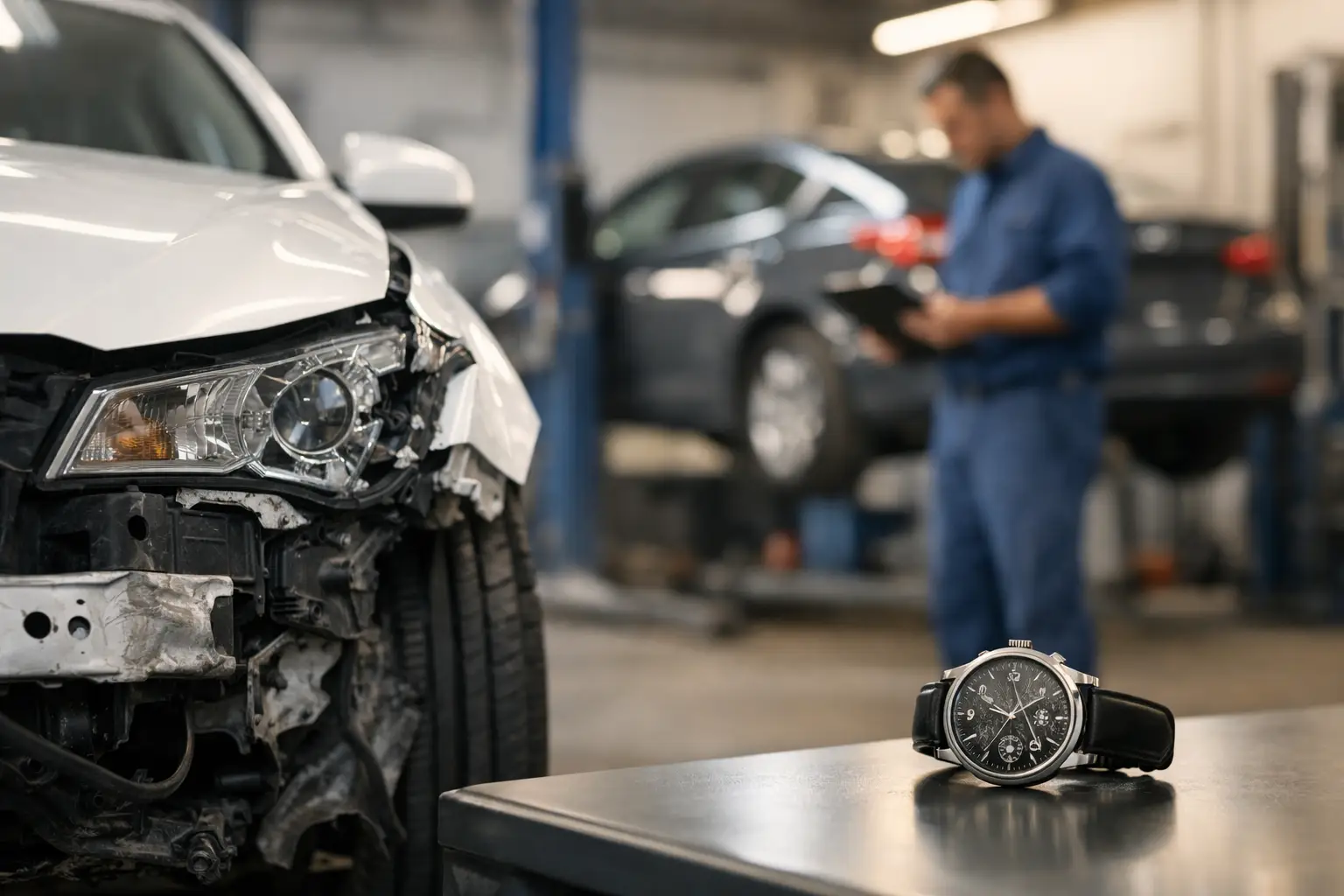
After an accident, one of the first questions people ask is how long collision repair takes. That question matters for a simple reason - most Houston-area drivers cannot afford to be without their vehicle longer than necessary. Work, school drop-offs, appointments, and daily errands do not stop just because your car is in the shop.
The honest answer is that repair time depends on the damage, the parts needed, and how quickly the repair plan can move forward. Some vehicles are back on the road in a few days. Others may take a couple of weeks or longer. A good shop should give you a clear estimate, explain where the time goes, and keep you updated if anything changes.
How long collision repair takes in real life
Minor damage usually moves the fastest. If your vehicle has a small dented panel, light bumper damage, or surface-level paint work with no hidden structural issues, repairs may take anywhere from a few days to about a week. That timeline can still shift if the paint needs extra curing time or a replacement part is not immediately available.
Moderate collision damage often takes one to two weeks. This is common when a vehicle needs several body panels repaired or replaced, paint matching, mechanical checks, and alignment work. Even when the damage looks straightforward from the outside, a technician may find additional issues once the vehicle is disassembled.
Major collision repair can take several weeks. If the frame is affected, safety systems need recalibration, suspension parts are damaged, or multiple systems were hit in the accident, the process becomes more involved. At that stage, the work is not just cosmetic. The vehicle has to be restored properly so it drives safely and performs the way it should.
What affects how long collision repair takes
The biggest factor is the severity of the damage. A cracked bumper cover is one thing. Damage to the frame, quarter panel, doors, sensors, and suspension is something else entirely. The more systems involved, the more steps are required to complete the repair the right way.
Parts availability is another major factor. Many delays have less to do with labor and more to do with waiting for parts to arrive. This can be especially true for newer vehicles, imported models, or cars that need specific OEM or hard-to-find components. If a necessary part is backordered, the repair timeline may stretch even when the shop is ready to continue.
Insurance approval can also affect timing. If your repair is part of an insurance claim, the estimate may need review, approval, or supplements if hidden damage is discovered after teardown. That process is common, but it can add time depending on how quickly the claim is handled.
The repair process itself also includes more than people expect. Collision work may involve disassembly, structural measurement, body repair, panel replacement, paint preparation, refinishing, curing, reassembly, quality checks, and test driving. On newer vehicles, sensor calibration may also be required. Each step matters, and skipping one to save time is not worth the risk.
Why hidden damage changes the timeline
One reason repair estimates sometimes change is that not all accident damage is visible at first glance. A bumper may look like the main issue, but once it comes off, technicians may find damaged brackets, crushed absorbers, broken clips, or impact to nearby panels and components.
This is especially common in front-end and rear-end accidents. What looks minor from the outside can affect supports, lights, cooling components, or alignment points underneath. Hidden damage is not a sign that something went wrong at the shop. It is part of doing a complete inspection instead of guessing.
That is why a fast estimate and a final repair timeline are not always the same thing. The first estimate is based on what can be seen initially. The full repair plan becomes more accurate after disassembly and inspection.
The typical stages of a collision repair job
Understanding the process helps explain why timing varies from one vehicle to the next. It usually starts with an estimate and visual inspection. If you are using insurance, the claim details may be reviewed at this stage as well.
Next comes disassembly. This is where hidden damage often shows up, and where supplements may be written if more repairs are needed than first expected. Once the repair plan is approved, the shop can order parts and begin structural or body work.
After that, damaged panels are repaired or replaced, and the vehicle moves into paint preparation and refinishing if needed. Paint work takes skill and time because matching color, blending adjacent panels, and allowing proper cure time are all part of a quality result.
The final steps include reassembly, system checks, calibrations when required, detailing, and a final quality inspection. The goal is not just to make the vehicle look good. It is to make sure everything is put back together correctly and safely.
How insurance can speed things up or slow things down
Insurance can be helpful because it covers approved repairs and may streamline part of the payment process. At the same time, claims can add extra steps. If an adjuster needs more documentation, if there is a delay in approval, or if additional damage is found mid-repair, the shop may have to pause while paperwork catches up.
This is one reason many customers prefer a shop that handles insurance communication directly. It removes some of the back-and-forth and helps keep the process moving. For drivers already dealing with the stress of an accident, that kind of support makes a real difference.
What you can do to avoid unnecessary delays
You may not control parts availability or insurer response times, but there are a few things you can do to help your repair stay on track. Bring your vehicle in for an estimate as soon as possible after the accident. Waiting can allow damage to worsen, especially if something is loose, rubbing, or exposing metal to the elements.
It also helps to have your insurance information ready and respond quickly if the shop or insurer needs authorization. If you are choosing between repair options, making those decisions promptly can prevent the vehicle from sitting idle.
Most importantly, choose a shop that communicates clearly. If a repair shop cannot explain the process or give realistic expectations, delays become even more frustrating. Clear updates matter just as much as the repair itself.
How long should you expect your car to be in the shop?
If you want a practical rule of thumb, light cosmetic repairs may take a few days, moderate damage often takes one to two weeks, and larger collision jobs may take several weeks. That is not a promise for every vehicle, but it is a fair starting point.
If a shop promises an unusually fast turnaround without seeing the full damage, be careful. Speed matters, but complete and safe repairs matter more. A proper repair should restore the structure, finish, and function of your vehicle, not just make it look fixed from ten feet away.
For drivers in Southwest Houston, Stafford, Sugar Land, and the 77083 area, the best next step is to get a professional estimate from a local shop that knows how to manage both the repair work and the insurance side. Sosa Automotive Group has helped local drivers for more than 20 years with collision repair, body work, paint services, and practical support through the repair process.
When your vehicle has been damaged, the timeline matters, but so does trust. A good repair experience starts with honest answers, realistic expectations, and a team that treats your car like you still need it for real life tomorrow. That is the kind of peace of mind worth asking for.