
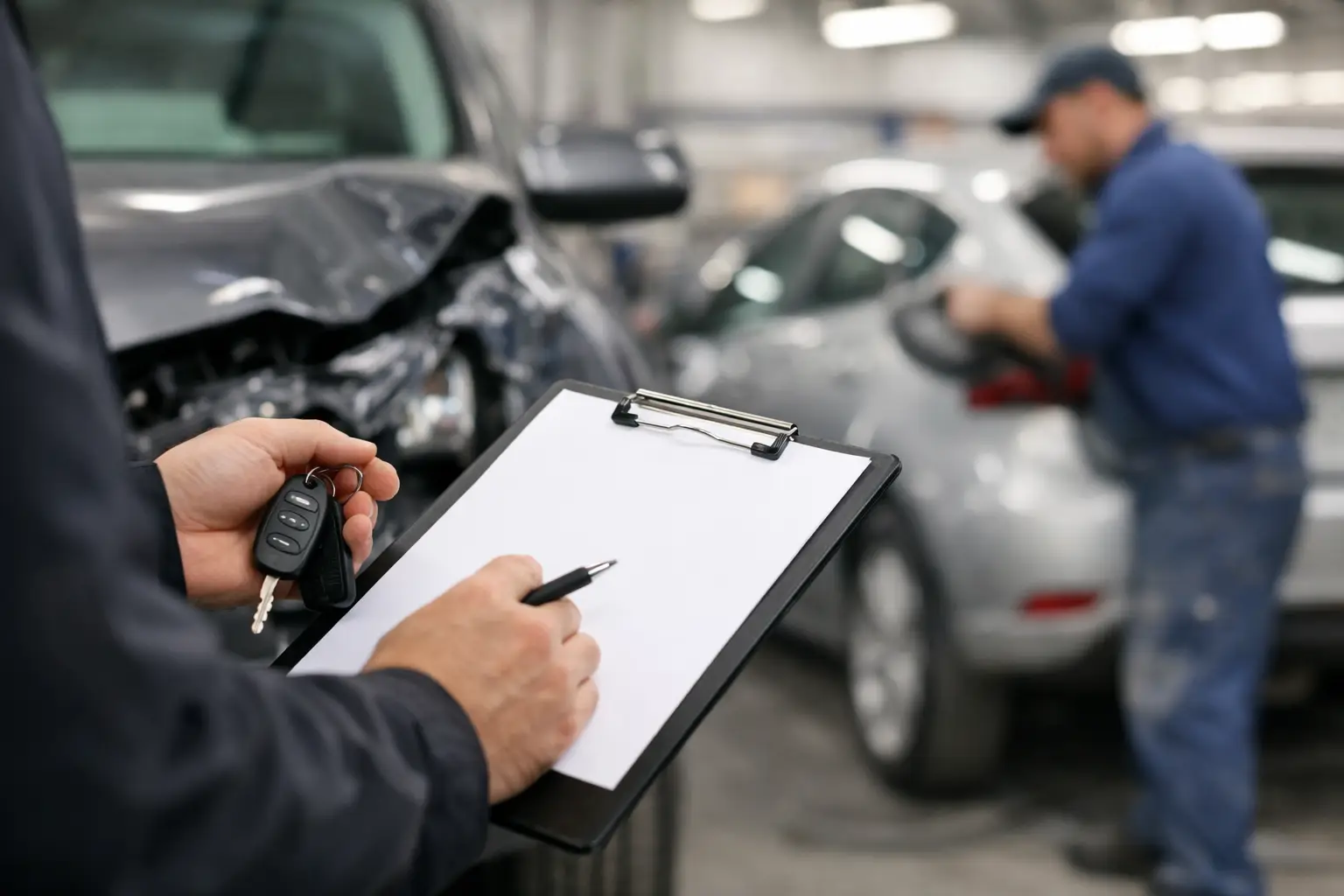
A fender bender on Highway 6 or a parking lot scrape in Sugar Land can turn an ordinary day into a list of decisions you did not plan to make. You need your vehicle back, but you also need to know the repair is being handled properly. Knowing how to choose a body shop means looking beyond the first available appointment or the lowest number on an estimate.
A good repair shop should make the process clearer, not more stressful. For drivers in Southwest Houston, Stafford, Sugar Land, and Houston 77083, the right choice often comes down to experience, communication, repair quality, and whether the shop helps you work through the insurance claim without leaving you to manage every detail alone.
How to Choose a Body Shop With Confidence
Start by confirming that the shop regularly performs the type of work your vehicle needs. Collision repair is not the same as a quick cosmetic touch-up. After an accident, a vehicle may have damage behind the bumper, misaligned panels, broken mounting points, sensor issues, or paint damage that needs more than a surface fix.
Ask the shop to explain what they see during the estimate. You do not need to be an auto body expert, but you should be able to understand the planned repair in plain language. A dependable shop will tell you what is visibly damaged, what may need further inspection once work begins, and what could affect the timeline.
Experience matters because collision repairs require judgment as well as equipment. A shop that has worked with local drivers for years is more likely to recognize common repair issues, communicate realistically about parts delays, and know how to keep an insurance claim moving. Family-owned shops can also offer a more direct point of contact when you have questions about your vehicle.
Look for a Complete Damage Assessment
Some collision damage is easy to spot. A dented door, cracked bumper, or scratched quarter panel is right in front of you. Other problems are hidden behind exterior parts. Brackets, reinforcements, lights, wiring, and safety-related components can be affected even when the vehicle still seems drivable.
A quality body shop does not rush to promise a final repair plan before it has inspected the damage. The initial estimate is a starting point. If additional damage is found after disassembly, the shop should contact you and coordinate any necessary supplement with the insurance company before moving ahead.
That does not mean every repair should become an open-ended surprise. It means the shop should be honest about what is known, what needs confirmation, and how it will keep you updated. Clear communication early prevents frustration later.
Compare Estimates the Right Way
A free estimate is useful, but it is not only about finding the cheapest price. Two estimates can look very different because the shops may be planning different repairs. One may include repairing a panel, while another may recommend replacement. One may include paint blending into adjacent panels for a better color match, while another may not.
When comparing estimates, ask whether the price includes labor, parts, materials, paint work, and any expected related repairs. If an estimate is much lower than the others, ask why. It could be a fair difference, but it could also mean something has been left out of the scope of work.
Pay attention to how the estimate is presented. You should not feel pressured or confused. A good shop will walk through the major items and explain the trade-offs. Repairing a panel can sometimes save money when the damage is minor. Replacing it may be the safer choice when the panel is badly damaged or cannot be restored to a proper fit.
Ask About Parts and Paint Quality
Parts are one area where your insurance coverage and vehicle needs may affect the repair plan. Depending on the claim and the vehicle, a shop may use original equipment manufacturer parts, aftermarket parts, recycled parts, or a combination. There is no one answer that fits every repair.
The key is transparency. Ask what type of parts are being proposed and why. If you have a newer vehicle, advanced safety features, or a strong preference for certain parts, bring that up before work begins. The shop should explain your options and any cost difference rather than making assumptions.
Paint work deserves the same attention. Matching a vehicle’s color involves more than spraying one damaged area. Sun exposure, age, previous repairs, and factory color variations can all affect the final match. A qualified paint and body shop will explain whether blending is needed to help surrounding panels look consistent.
Choose a Shop That Can Handle Insurance Coordination
After a collision, the paperwork can feel nearly as frustrating as the damage itself. You may need to open a claim, provide photos, speak with an adjuster, review an estimate, and approve additional repair work. A body shop that works directly with insurance companies can remove a major burden from the process.
You still have a role in the claim. Keep your claim number, adjuster contact information, and policy details available. Review documents before signing them, and ask questions if you do not understand a charge, deductible, or repair recommendation. But you should not have to act as the middle person between the shop and the insurer every day.
Ask whether the shop will communicate with your insurance company, submit supplements for hidden damage, and provide status updates as the repair progresses. Direct insurance handling can save time and reduce misunderstandings, especially when repairs change after the vehicle is taken apart.
Do not assume you must use the body shop suggested by an insurer. You can choose a repair facility you trust. The best choice is a shop that can work professionally with the insurance process while still treating you as the customer.
Check Communication, Timing, and Convenience
Most drivers need a simple answer to a simple question: When will my car be ready? A reputable shop will give you a reasonable estimated timeline, but it should not make guarantees it cannot keep. Parts availability, insurance approvals, added damage, and the extent of repairs can all change completion dates.
What matters is how the shop handles those changes. You should receive updates when there is a delay, not have to repeatedly call for information. Ask who your point of contact will be and how the shop normally communicates - phone, text, or email. Small details like this matter when you are arranging rides, work commutes, school pickups, or rental transportation.
Convenience also includes location and service scope. A nearby shop in the Southwest Houston area may make drop-off, pickup, and follow-up much easier. If your vehicle needs collision repair, body restoration, paint services, or additional car care, choosing one trusted local shop can simplify the next steps.
Ask About Workmanship and Final Inspection
Before choosing a shop, ask about its workmanship warranty and what it covers. A warranty is not a substitute for good repairs, but it shows that the business stands behind its work. Get the terms explained clearly, including whether the warranty applies to paint, body labor, or other repair-related work.
When you pick up your vehicle, take a few minutes to inspect it in good light. Look at panel gaps, paint color, trim, lights, and the repaired area from more than one angle. Open and close doors, the trunk, or the hood if those areas were involved. If something does not look right, mention it before you leave.
A professional shop expects you to have questions. The goal is not to rush you through pickup. It is to make sure you understand the work completed and feel comfortable driving away.
For more than 20 years, Sosa Automotive Group has helped local drivers move from accident damage to a vehicle they can rely on again. Whether the damage is minor or more involved, choose a shop that gives you a clear estimate, explains the repair, works with your insurance, and treats your time with respect. That kind of support makes a difficult day easier to manage.