
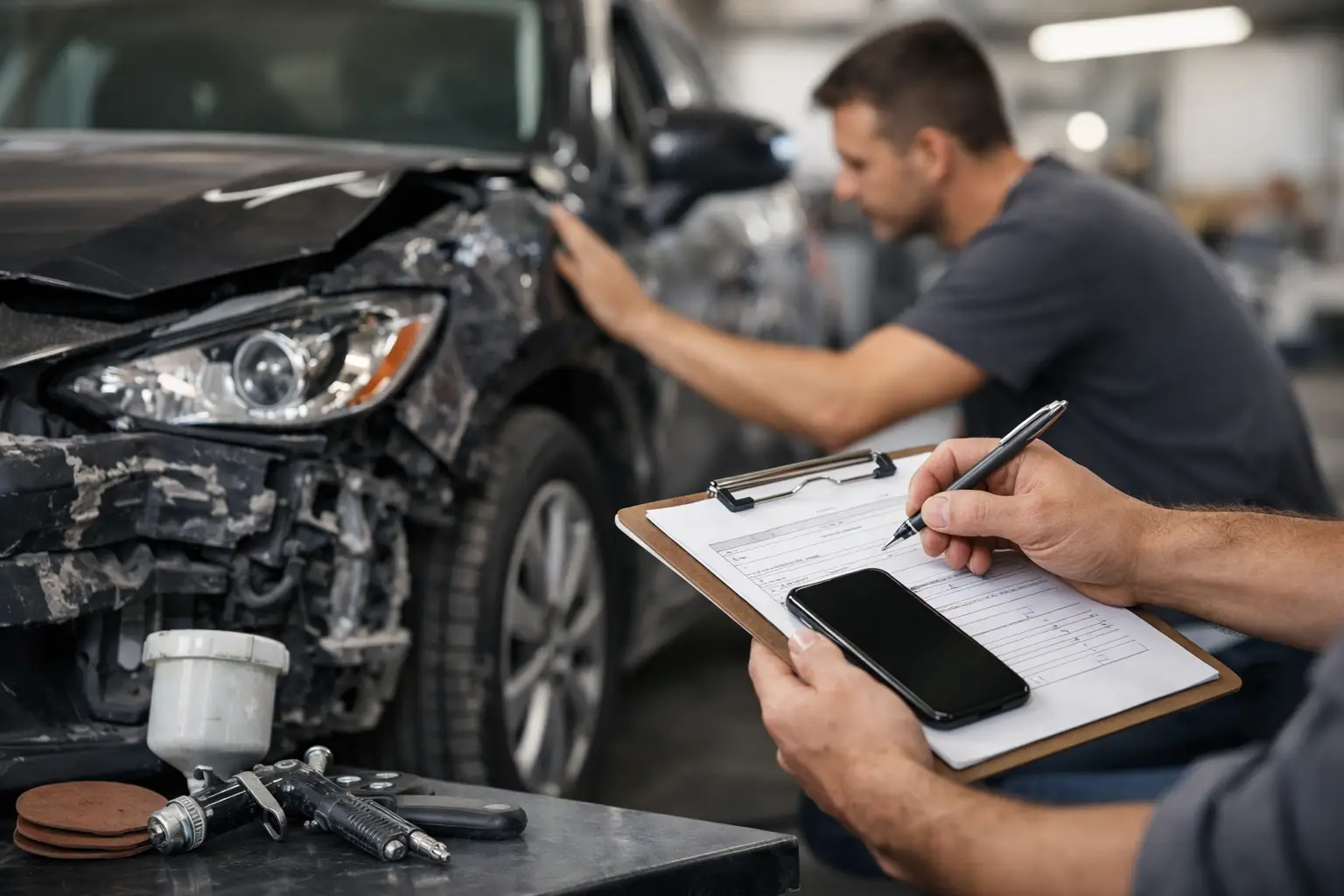
A small dent can look simple until the repair bill starts to take shape. That is why many drivers want to know how to estimate auto body repair before they commit to a shop, file an insurance claim, or decide whether the damage is worth fixing right away.
The short answer is that auto body repair pricing depends on more than the visible damage. A scratched bumper might need paint only, or it might be hiding broken clips, cracked mounting points, or sensor issues underneath. A bent fender may look minor but still require blending paint into the adjacent panel so the color matches correctly. The best estimates come from a hands-on inspection, but you can still get a realistic starting point if you know what to look for.
How to estimate auto body repair the right way
If you are trying to estimate repair costs on your own, start by separating the damage into categories. Cosmetic damage usually includes scratches, paint transfer, minor dents, and small scuffs. Structural or functional damage is more serious and may involve misaligned panels, broken lights, damaged sensors, cracked bumpers, wheel or suspension issues, or doors and trunks that no longer open and close properly.
That distinction matters because cosmetic work is often more predictable. Once damage affects safety systems, panel alignment, or hidden components, the estimate can change quickly after disassembly. What you see in the driveway is not always the full repair.
A practical way to think about the estimate is to break it into labor, parts, paint materials, and possible hidden damage. Labor includes body work, disassembly, reassembly, prep, and refinishing. Parts may be new, aftermarket, recycled, or repairable depending on the vehicle and the damage. Paint work includes not just color but also primer, clear coat, sanding materials, masking, and blending. Hidden damage is the wildcard, especially after a collision.
What affects auto body repair cost most
The biggest cost driver is usually the extent of the damage, but several other factors matter just as much.
Vehicle make and model can change the price significantly. Some cars have more expensive parts, specialty paint finishes, or advanced driver-assistance systems built into bumpers, mirrors, and windshields. A repair on one vehicle may be straightforward, while the same visible damage on another requires recalibration and more labor.
The location of the damage also matters. A dent on a flat door panel is often easier to repair than damage on a body line, panel edge, or corner. Bumper damage can be misleading because modern bumpers often house sensors, brackets, and energy-absorbing components behind the cover.
Paint complexity is another major factor. Solid colors are generally simpler than metallic, pearl, or tri-coat finishes. If the repair requires blending into nearby panels to make the color match, the estimate goes up. Good paint work is not just about covering damage. It is about making the repair disappear.
Then there is the question of repair versus replacement. A panel that can be repaired usually costs less than full replacement, but not always. If a part is heavily creased, cracked, or stretched beyond proper repair, replacement may be the better value in the long run.
A simple way to ballpark the damage
If you want a rough idea before visiting a shop, begin with the damaged panel count. A single panel with light cosmetic damage is usually less expensive than damage that spreads across two or three connected areas. For example, a scrape limited to one bumper corner is different from a hit that affects the bumper, fender, and headlight.
Next, ask yourself four basic questions. Is the paint broken? Is the panel dented or cracked? Are any lights, trim pieces, or sensors damaged? Do any parts seem loose, misaligned, or harder to open and close? The more often you answer yes, the more likely the repair will involve both cosmetic and mechanical body work.
Photos can help you organize this, but they have limits. They are useful for documenting scratches, dents, and panel alignment. They are not reliable for judging hidden bracket damage, internal cracks, or sensor problems. That is one reason online estimates can only go so far.
When online estimates help and when they do not
Online research can give you a general range, especially for common repairs like bumper scuffs, paint scratches, or minor dent work. It can help you decide whether the damage is likely a few hundred dollars or something more substantial.
Still, online pricing often leaves out the details that matter most. It usually does not account for hidden damage, local labor rates, exact paint matching needs, or the condition of the underlying parts. It also cannot tell whether a part should be repaired, replaced, or recalibrated.
That is why drivers should treat internet numbers as a starting point, not a final answer. If the damage came from an accident, or if anything looks shifted, cracked, or loose, a professional inspection is the safer move.
How shops build a real estimate
A proper estimate starts with an inspection of the damaged area and nearby panels. The technician checks visible damage, notes likely hidden issues, and identifies whether parts may need repair or replacement. In some cases, the initial estimate is written before teardown, then updated if additional damage appears once parts are removed.
This is normal in collision repair. It does not always mean the first estimate was wrong. It often means the full damage was impossible to see at the start.
A professional estimate should account for labor operations, parts, paint and materials, and any procedures needed to restore the vehicle correctly. That can include blending, corrosion protection, scanning for diagnostic trouble codes, or recalibration of certain systems. Modern vehicles are more complex than they look from the outside.
If you are comparing estimates from different shops, make sure they are based on the same repair plan. One lower quote may seem appealing until you realize it excludes necessary paint blending, uses different parts, or leaves out recalibration steps.
How to estimate auto body repair after an accident
After a collision, your own estimate should focus less on price and more on scope. If the impact involved another vehicle, a pole, a curb, or anything more than a light scrape, assume there may be hidden damage until a shop confirms otherwise.
Pay attention to warning lights, steering changes, tire wear, fluid leaks, uneven gaps between panels, or noises that were not there before. Body damage and mechanical damage can overlap. What looks like a bumper repair may also involve brackets, reinforcement components, or suspension concerns depending on the angle of impact.
If insurance is involved, do not feel like you need to figure out every line item on your own before contacting a repair shop. A local collision center that works with insurance claims can often make the process much easier by documenting the damage, communicating with the carrier, and supplementing the estimate if hidden issues appear. For many drivers in Southwest Houston, that support saves as much stress as it saves time.
Signs you should skip the guesswork
There are times when trying to estimate the repair yourself is useful, and times when it only adds delay. If the paint is cracked, the bumper is split, a light is broken, a wheel was hit, or any safety feature seems affected, get the vehicle inspected. The same goes for newer vehicles with parking sensors, blind spot monitoring, or lane-assist features near the damaged area.
Even minor-looking damage can become more expensive if left alone. Exposed metal can rust. Loose bumper covers can worsen. A small issue with alignment can put stress on nearby parts. Catching it early usually gives you more repair options.
Getting the most accurate estimate
The best way to get a useful estimate is to bring the vehicle to a trusted local shop for a free inspection. Clean the damaged area if possible, bring any claim information you already have, and mention anything you have noticed since the incident, including noises, warning lights, or difficulty opening doors or the trunk.
Ask whether the estimate includes likely paint blending, whether there may be hidden damage, and whether insurance coordination is available if needed. Clear answers matter more than a rushed low number. A dependable estimate should help you understand the repair, not just the price.
At Sosa Automotive Group, many customers come in wanting a quick number, but what they really need is clarity. A solid estimate gives you that. It tells you what is damaged, what the repair should involve, and what to expect next so you can make a smart decision without added stress.
If you are looking at fresh damage on your car and wondering what it might cost, start with a careful visual check, but do not stop there. A real estimate is not just about dollars. It is about knowing your vehicle will be repaired the right way and put back on the road with confidence.