
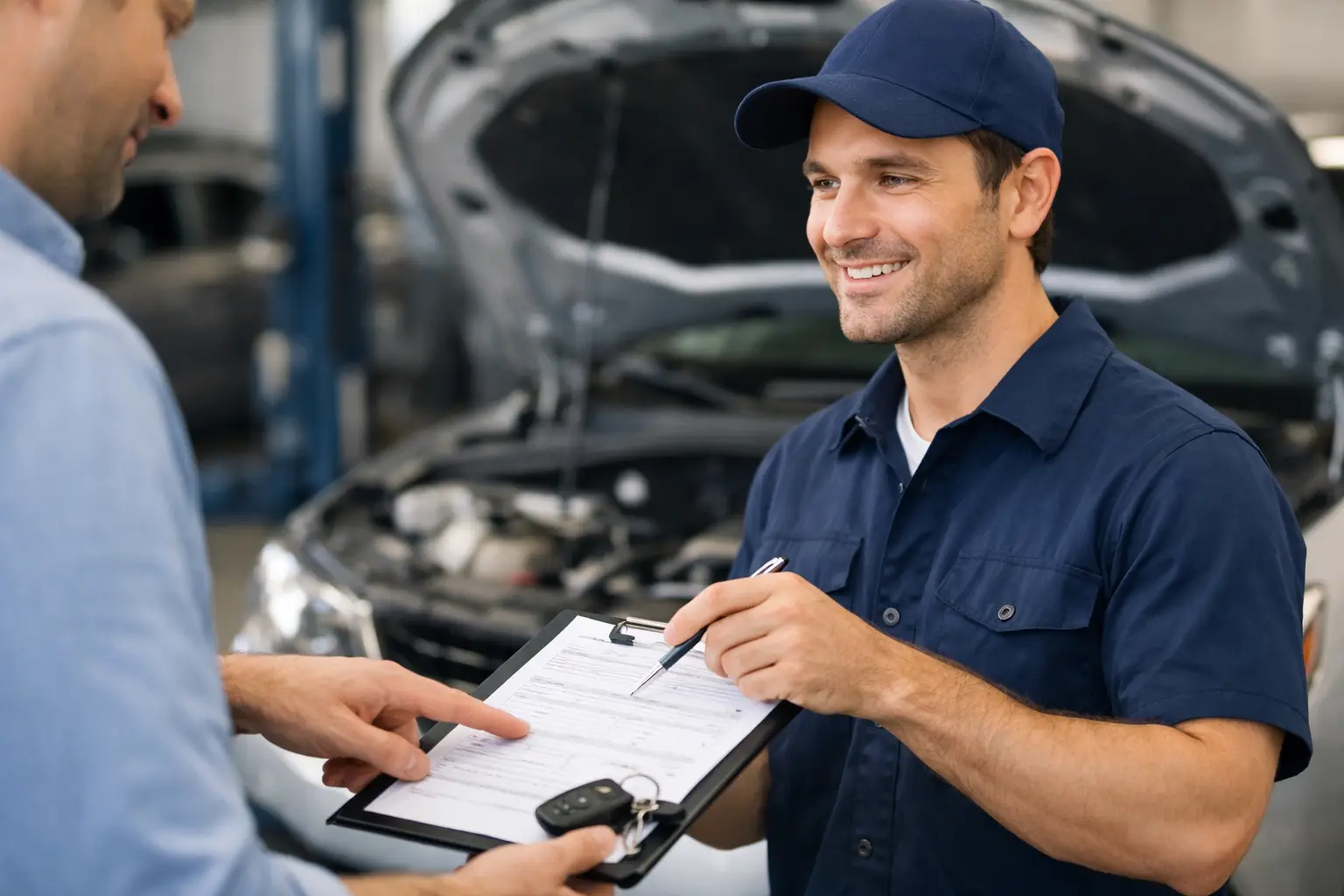
After an accident or even a minor fender bender, most drivers want the same thing right away - a clear idea of what the repair will cost and how soon the car can be fixed. If you are searching for how to get free estimate help for collision repair or auto body work, the process is usually simpler than people expect. The key is knowing what information to bring, what questions to ask, and how to tell whether the estimate you receive is actually useful.
A free estimate is not just about getting a number. It is the first step in understanding the damage, planning the repair, and deciding whether you want to work with that shop. For drivers in Houston, Stafford, Sugar Land, and Southwest Houston, that matters because traffic, weather, and daily commuting can turn even small damage into something you want handled quickly.
How to Get Free Estimate Without Wasting Time
The fastest way to get a free estimate is to contact a local repair shop and be ready with the basics. In most cases, the shop will ask for your vehicle year, make, and model, where the damage is located, whether the car is drivable, and whether insurance is involved. If you have photos, that can help the process move faster, especially for visible body damage.
That said, there is a difference between a rough quote and a real estimate. A few pictures may be enough to give you a starting range, but an in-person inspection is usually the better option when the damage involves panels, paint matching, alignment issues, or possible hidden damage under the surface. What looks minor on the outside sometimes includes broken clips, bent brackets, sensor issues, or structural concerns that only show up once the vehicle is examined closely.
If your schedule is tight, call ahead before you arrive. Ask whether the shop offers walk-in estimates, whether you need an appointment, and what documents to bring. That one phone call can save you a lot of waiting.
What You Should Have Ready Before You Ask
A free estimate goes more smoothly when you have a few details ready from the start. You do not need to know every technical term. You just need enough information for the shop to understand the situation.
Start with your vehicle information and a short description of what happened. Was it a rear-end collision, a parking lot scrape, hail damage, or paint damage from another vehicle? If police were involved or an insurance claim has already been started, have that claim number available. If you are paying out of pocket, say that upfront so the shop can explain the estimate in a way that helps you compare options.
Photos are useful, but take the right kind. Get wide shots that show the full side or area of the vehicle, then close-ups of the actual damage. Good lighting helps. Blurry photos or tight angles can make it harder for the estimator to see panel gaps, paint damage, or the overall extent of the hit.
If the vehicle is not safe to drive, mention that immediately. A shop may still be able to help with the estimate process, but safety comes first.
What a Free Estimate Usually Includes
Most car repair estimates for collision or body work include labor, parts, paint materials, and the steps needed to restore the damaged area. Depending on the type of repair, the estimate may also account for disassembly, refinishing, blending paint into nearby panels, and recalibration of certain systems.
Modern vehicles have more technology than many drivers realize. A damaged bumper may affect sensors, cameras, or brackets hidden behind the cover. That does not mean every estimate becomes expensive. It does mean a serious shop should explain that some costs can change once repairs begin and hidden damage is uncovered.
This is normal in collision repair. A free estimate is an informed starting point, not always the final invoice. The better shops are clear about that from the beginning instead of surprising you later.
Why Estimates Can Vary From Shop to Shop
If you get two estimates and the numbers are different, that does not automatically mean one shop is overcharging. Repair estimates can vary for several practical reasons.
One shop may include higher-quality parts, while another may price around aftermarket alternatives. One may plan to repair a panel, while another recommends replacement. Paint labor can also vary depending on color matching, blending, and finish quality. On newer vehicles, repair procedures may require extra steps that older cars did not.
The lowest estimate is not always the best value. If the number seems unusually low, ask what is not included. A cheap estimate that skips necessary work can cost more later if the repair does not hold up or the finish does not match.
The strongest estimate is the one that is clearly explained. You should understand what is being repaired, what is being replaced, and whether the shop expects any possible supplements if hidden damage is found.
How Insurance Affects the Free Estimate Process
If you are filing an insurance claim, the estimate process may include both the shop and the insurance company. Some drivers assume they must go only where the insurer suggests, but you generally have the right to choose your repair shop.
That matters because insurance paperwork can slow things down if the shop does not handle claims often. A repair business that works directly with insurance companies can help move the process along, explain what is covered, and deal with approvals or supplements as repairs progress.
There is also a timing issue. Your insurer may create its own initial estimate, but that number is not always the full repair cost. Once the shop begins work and finds additional damage, it can submit updated documentation. That is one reason a free estimate from an experienced collision shop is still valuable even if insurance is involved.
For many drivers, the easiest route is choosing a shop that can manage both the repair side and the claim communication. It cuts down on phone calls and reduces confusion when you already have enough to deal with.
How to Know if the Shop Is Worth Visiting
When you want to know how to get free estimate help that actually leads to a good repair experience, the estimate itself is only part of the picture. Pay attention to how the shop communicates.
Are they direct and helpful on the phone? Do they explain the next steps clearly? Do they seem comfortable answering questions about insurance, timing, or repair methods? A shop does not need to overwhelm you with technical language to show experience. In fact, the better approach is usually simple, clear communication.
Look for practical signs of trustworthiness. Local experience matters. So does a clean, organized facility, realistic timelines, and a willingness to explain what they can and cannot confirm before disassembly. Shops that have served their community for years tend to understand what customers need most after an accident - honesty, speed, and less hassle.
For local drivers, that neighborhood familiarity can make a real difference. A family-owned business like Sosa Automotive Group understands that most customers are not shopping for auto body work because they want to. They are trying to get back to work, school runs, errands, and normal life.
Questions to Ask During Your Estimate
You do not need a long checklist, but a few smart questions can help. Ask how long the estimate takes, whether the shop works with insurance, and whether the quoted price could change if hidden damage is found. Ask about parts options if you are paying out of pocket. If paint work is involved, ask whether nearby panels may need blending for a proper color match.
It is also reasonable to ask about turnaround time. Just remember that timing depends on parts availability, insurance approval, and the extent of damage. A good shop should give you a realistic range, not a promise that sounds too good to be true.
If your vehicle has advanced safety features, ask whether recalibration may be needed. That is especially relevant for newer cars with lane assist, parking sensors, or front-facing cameras.
Getting a Better Estimate Starts With the Right Shop
A free estimate should do more than give you a price. It should give you direction. You should leave knowing what the damage involves, what your next step is, and whether the shop is prepared to handle the repair properly.
If you have vehicle damage in Houston, Stafford, Sugar Land, or Southwest Houston, do not wait until a small problem turns into a bigger one. Whether you are dealing with collision damage, body work, or paint issues, the right estimate can take a stressful situation and make it more manageable.
The best next step is usually the simplest one - call a trusted local shop, bring your vehicle in, and ask clear questions. A good estimate gives you more than numbers. It gives you peace of mind when you need it most.