
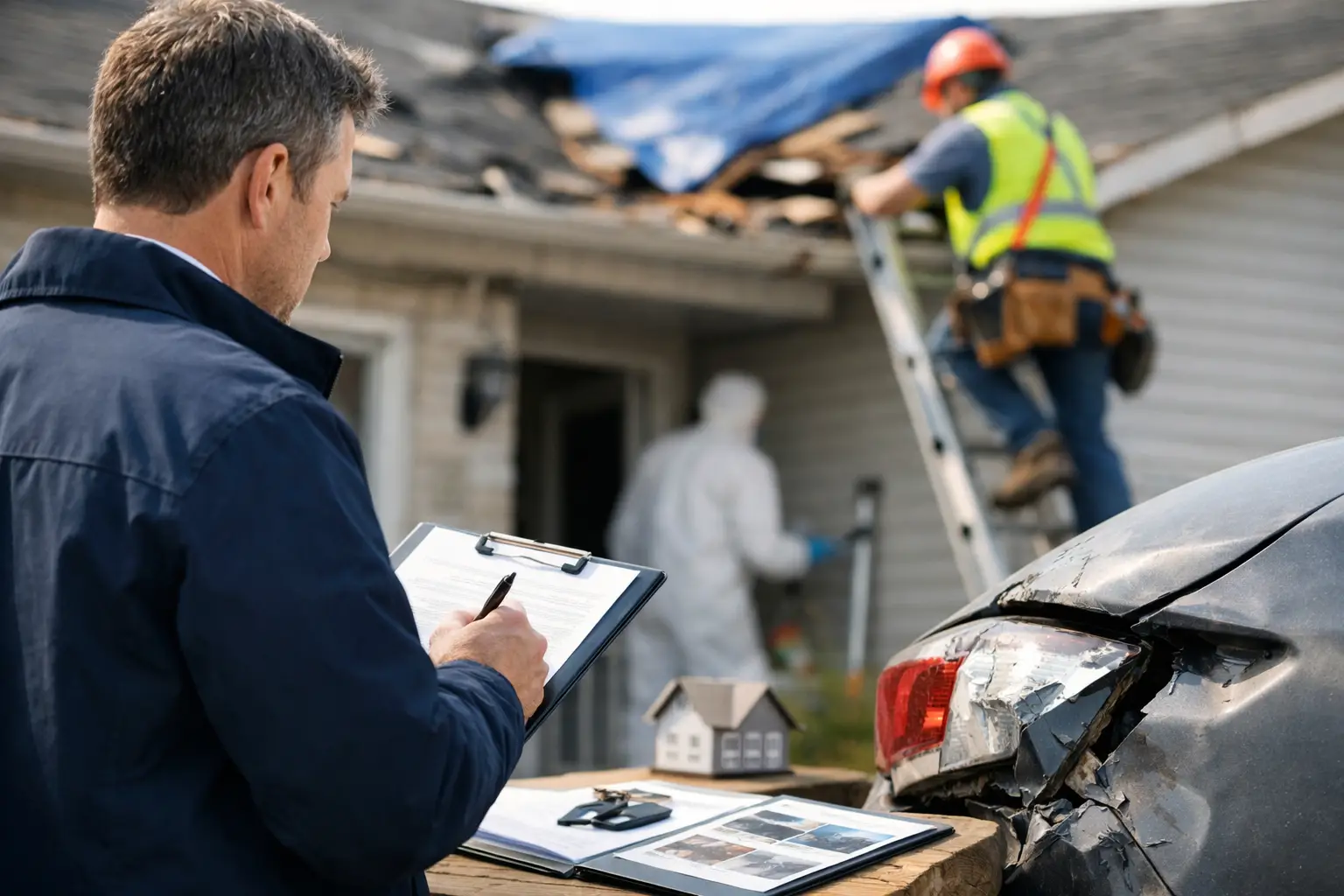
A real insurance claim repair example can make the process feel less uncertain after an accident. Picture a driver in Southwest Houston whose late-model SUV is hit in a parking lot. The rear bumper is cracked, the liftgate is dented, and one taillight is broken. The vehicle still drives, but it is not fully safe or presentable. The next steps are not just about fixing the visible damage - they involve an estimate, insurance communication, possible hidden damage, and a final quality check.
At Sosa Automotive Group, we help drivers in Houston, Stafford, and Sugar Land understand what is happening with their repair instead of leaving them to sort through the claim alone. Every accident is different, but this example shows the kind of process many customers can expect.
Insurance Claim Repair Example From Start to Finish
After the parking lot accident, the driver takes photos of the damage, exchanges information with the other party, and reports the loss to the other driver's insurance company. If the driver is using their own collision coverage, they may open a claim with their own insurer instead. The insurance company provides a claim number, which becomes the reference number for the repair.
The driver then brings the SUV to a local collision repair shop for a free estimate. At the first inspection, the estimator sees the cracked bumper cover, damaged taillight, and dented liftgate. Based on what is visible, the initial estimate includes removing and replacing the bumper cover, replacing the taillight assembly, repairing and refinishing the liftgate, and painting the affected panels so the color matches.
The visible repair estimate comes to $3,450. Depending on the claim, the insurer may send an adjuster to inspect the vehicle, ask the shop for photos and documentation, or review the shop's estimate remotely. Once the initial repair plan is approved, the shop can schedule the work and order parts.
That is the straightforward version. In collision repair, however, the first estimate is often not the final estimate.
Hidden Damage Changes the Repair Plan
Once the technician removes the bumper, they find that the impact also damaged the bumper reinforcement bracket and a parking sensor mount. Those parts were not visible during the first walk-around, so they were not included in the original estimate.
The shop documents the additional damage with photos and prepares a supplement. A supplement is simply a request for added repair costs based on damage discovered after disassembly. The shop sends the supplement to the insurance company for review and approval.
In this example, the added parts and labor total $780. The revised repair cost is now $4,230. This does not automatically mean the customer pays more. If the damage is related to the covered accident and the insurer approves it, the insurance company generally adds the approved amount to the claim payment.
This is one reason a low initial estimate should not be the only factor when choosing a repair shop. Proper repairs require the vehicle to be taken apart enough to identify damage behind the exterior panel. Rushing past that step can leave damaged brackets, sensors, mounts, or structural components unaddressed.
How Insurance Payments May Work
Payment details depend on the insurance company, the policy, and whether the claim is being filed against another driver's coverage. Still, the basic arrangement is usually easy to follow.
If the other driver is at fault and their insurer accepts responsibility, the at-fault driver's insurance typically pays for reasonable repairs. The customer may not owe a deductible, although timing can vary while the insurer investigates liability.
If the driver uses their own collision coverage, they usually pay the deductible listed in their policy. For example, if the final approved repair cost is $4,230 and the deductible is $500, the insurer pays the covered balance and the customer pays the $500 deductible to the repair facility. If the driver's insurance company later recovers payment from the at-fault party's insurer, the deductible may be reimbursed, but that depends on the claim outcome.
Some insurance carriers issue an initial payment directly to the customer. Others pay the shop, or split payment between the customer and repair facility. A reliable shop can help explain what paperwork is needed and keep the repair file organized, but the insurance company makes the final coverage and payment decisions.
What the Shop Does During the Repair
After approval and parts availability, the repair moves into the body and paint process. In the SUV example, the technician removes damaged components, repairs the liftgate, replaces broken parts, and checks that the parking sensor mount is positioned correctly.
The repaired liftgate is prepared for paint, and the replacement bumper cover is painted to match the vehicle. Paint matching is more involved than selecting the factory color code. Sun exposure, age, previous repairs, and the original paint condition can all affect how color looks on the vehicle. For that reason, the painter may blend color into an adjacent panel when needed for a more consistent finish.
Once paint has cured, the vehicle is reassembled. The shop checks panel gaps, lighting, sensor operation, fasteners, and finish quality. The SUV is cleaned before delivery, and the customer reviews the completed repair.
A repair like this may take several business days to a couple of weeks after authorization, depending on parts availability, insurer response time, repair complexity, and shop scheduling. A bumper replacement with readily available parts can move quickly. A repair involving specialty parts, sensor calibration, structural work, or a backordered component can take longer.
Questions to Ask About Your Claim Repair
Clear communication prevents surprises. When you bring your vehicle in for an estimate, ask whether the estimate is preliminary, how hidden damage will be handled, and whether the shop will communicate with the insurance company about supplements.
It also helps to ask what parts are being used. Depending on your insurance policy and the vehicle, a repair may involve original equipment manufacturer parts, aftermarket parts, recycled parts, or a combination. Each option has trade-offs in cost, availability, fit, and insurer requirements. A good repair facility will explain the plan and raise concerns if a part is not appropriate for the repair.
You should also ask about expected timing, whether the vehicle is safe to drive while waiting for repairs, and what happens if the insurance estimate does not include all necessary work. Keep your claim number, adjuster contact information, and any payment documents available. That makes it easier for the shop to coordinate the file without unnecessary delays.
Your Choice of Repair Shop Matters
Insurance companies may recommend repair facilities, but you can choose the shop you want to repair your vehicle. The best choice is not always the one that promises the fastest answer before inspecting the damage. Look for a local shop that explains the estimate in plain language, documents additional damage, works directly with insurers, and stands behind the quality of the repair.
For Houston-area drivers, a family-owned shop with long-term local experience can make a stressful claim feel more manageable. The goal is not merely to make the damage less noticeable. It is to restore the vehicle carefully, address accident-related damage found during repair, and give you a clear path from estimate to pickup.
If your vehicle has been damaged, start by getting a professional estimate and bringing your claim information with you. A clear inspection and honest conversation at the beginning can save time, reduce confusion, and help get your vehicle back to the condition you depend on.