
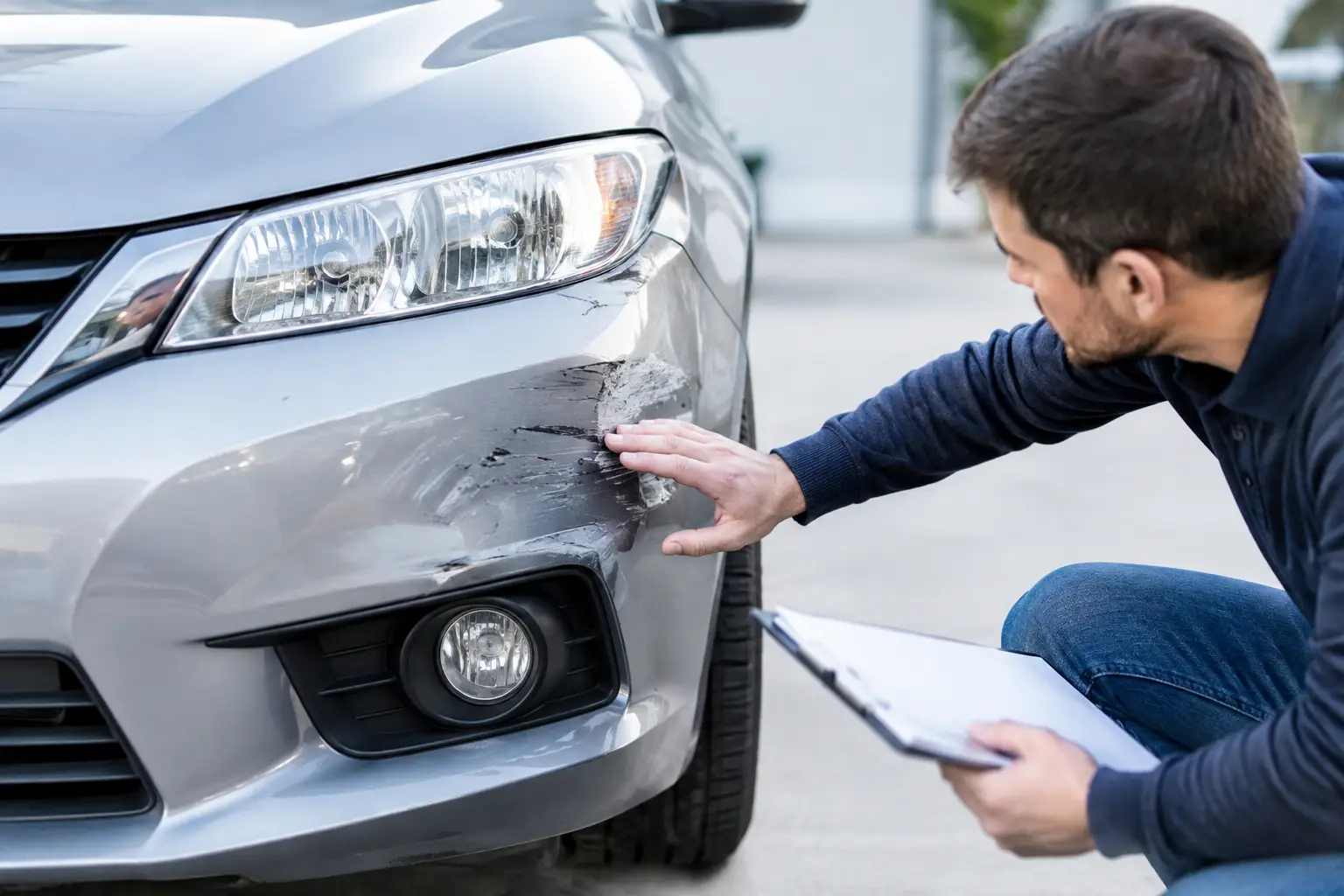
A low-speed crash can leave behind more than a small dent. Even when your vehicle still drives normally, minor collision damage repair may be needed to address loose panels, damaged sensors, cracked paint, misaligned lights, or hidden damage behind the bumper. Getting it checked early can help protect your vehicle’s safety, appearance, and resale value.
For drivers in Southwest Houston, Sugar Land, Stafford, and Houston 77083, the goal is usually simple: get a clear answer, make the repair process manageable, and get back on the road without unnecessary delays. A dependable local body shop can help you understand what needs attention now and what your insurance may cover.
When Minor Collision Damage Repair Is Needed
Minor accidents come in many forms. A bumper tap in traffic, a parking lot scrape, a sideswipe, or a low-speed impact with a curb can all cause visible damage. Sometimes the repair is limited to paint correction, dent removal, or replacing a cracked trim piece. Other times, the visible mark is only part of the issue.
Modern vehicles place many important components behind exterior panels. Bumpers may contain energy absorbers, brackets, wiring, parking sensors, cameras, or radar equipment. A small impact can shift these parts out of position even if the bumper does not look severely damaged. Headlights, taillights, wheel wells, and door latches can also be affected by an impact that seems minor at first.
That does not mean every dent requires a major repair. It does mean a professional inspection is worth the time. A free estimate gives you a practical starting point and helps you decide whether the damage is cosmetic, safety-related, or likely to get worse if left alone.
Do Not Judge the Damage by the Paint Alone
Paint transfer and surface scratches can make a collision look worse than it is. In some cases, a technician can remove the transferred paint and restore the finish with polishing or touch-up work. A shallow dent may be repairable without replacing an entire panel.
However, cracked paint is a different concern. Once the finish is broken, moisture can reach the metal underneath. Houston heat, heavy rain, humidity, and road grime can turn a small damaged spot into corrosion over time. Repairing chipped or cracked paint promptly helps protect the panel and keeps the damage from spreading.
Bumper covers can be misleading as well. Plastic often flexes during a low-speed impact, then returns close to its original shape. The cover may look acceptable while its mounting tabs, reinforcements, or components behind it have been damaged. If the bumper is loose, uneven, cracked, or rubbing against another panel, have it inspected before assuming it is only cosmetic.
What to Do After a Minor Accident
Start by making sure everyone is safe and moving the vehicle out of traffic when possible. Take photos of the vehicles, damage, license plates, road conditions, and the surrounding area. Exchange information with the other driver and follow the appropriate reporting requirements for the situation.
Before driving away, look for obvious concerns such as a loose bumper, broken light, leaking fluid, rubbing tire, steering pull, warning light, or door that will not latch correctly. If you notice any of these issues, the vehicle should be checked before regular driving. A car that starts and moves is not always a car that is safe to use normally.
If the damage appears limited, you can still arrange an estimate soon. Waiting may make it harder to connect the damage to the collision for insurance purposes, and small paint or panel issues can become more expensive over time. Keeping your photos and accident information organized also makes the estimate and claim process easier.
Repair, Replacement, or Paintless Dent Removal?
The right repair depends on the location, material, depth, and extent of the damage. There is no one-size-fits-all answer, and an honest estimate should explain why a particular approach makes sense.
A small dent with intact paint may be a candidate for paintless dent removal. This method can preserve the original factory finish and may reduce repair time. It works best when the metal has not been sharply creased, stretched, or damaged along an edge.
A deeper dent, cracked bumper, damaged mounting point, or dented panel with broken paint may require conventional body repair and refinishing. In some cases, replacing a panel or bumper cover is the better long-term choice, especially when a repair would not restore a secure fit or proper appearance.
Color matching matters when paint work is needed. The goal is not simply to cover a scratch. Proper refinishing includes preparing the surface, matching the color as closely as possible, and blending where needed so the repair does not stand out in direct sunlight. The age of the vehicle, paint condition, and color type can all affect the process.
Why an Estimate Matters Before You File or Pay
A written estimate gives you more than a price. It identifies the visible repair needs and helps establish whether the damage is likely to be handled out of pocket or through an insurance claim. It also creates an opportunity to ask practical questions about repair time, parts availability, paint work, and whether additional damage may be found after disassembly.
For very small repairs, paying directly may make sense if the cost is close to or below your deductible. For larger repairs, or when another driver caused the collision, insurance may be the better route. The right choice depends on your deductible, coverage, claim history, and the full scope of damage.
It is common for additional damage to appear once a bumper cover or damaged panel is removed. That is not automatically a sign that something went wrong. Hidden brackets, absorbers, clips, and internal parts are not always visible during the first inspection. A reputable repair shop should communicate clearly if the repair plan needs to be updated.
Insurance Help Can Reduce the Stress
After an accident, dealing with calls, claim numbers, photos, and adjusters can feel like another job. A body shop that works directly with insurance companies can help keep the process moving and reduce confusion about documentation and approvals.
You still have the right to choose the repair shop you trust. Insurance companies may recommend repair facilities, but the decision is yours. Choose a shop that will explain the work, answer your questions, and treat your vehicle as more than a claim number.
Sosa Automotive Group has served local drivers for more than 20 years with collision repair, auto body work, paint services, free estimates, and insurance coordination. For a family that depends on one vehicle or a commuter who needs dependable transportation, clear communication matters as much as the repair itself.
Signs You Should Not Wait to Schedule Repairs
Some minor collision damage can wait a short time while you sort out insurance or scheduling. Other issues should be addressed quickly. Do not put off an inspection if you see a warning light, fluid leak, damaged headlight or taillight, loose bumper, exposed sharp edge, tire rubbing, steering change, or a door, hood, or trunk that no longer closes properly.
You should also schedule an estimate promptly if paint has cracked down to bare metal, a panel has shifted out of alignment, or a sensor-related feature is not working correctly. Parking sensors, backup cameras, blind-spot alerts, and collision-assistance systems may need inspection or recalibration after repairs. These systems are helpful only when they are functioning as intended.
Choose a Shop That Explains the Work Clearly
A good collision repair experience should not leave you guessing about what is being repaired or why. Ask whether the estimate covers body work, paint, parts, and any required sensor checks. Ask about expected timing, especially if replacement parts are needed. You deserve straightforward answers before work begins.
Local experience also helps. Houston-area driving brings crowded parking lots, heavy commuter traffic, intense sun, sudden rain, and plenty of opportunities for small vehicle damage. A shop that understands the needs of local drivers can focus on practical repairs that restore your vehicle properly without adding unnecessary pressure.
A minor collision may be frustrating, but it does not have to become a long-term problem. Get the damage looked at, keep the paperwork simple, and choose a repair team that gives you clear information from the first estimate onward.