
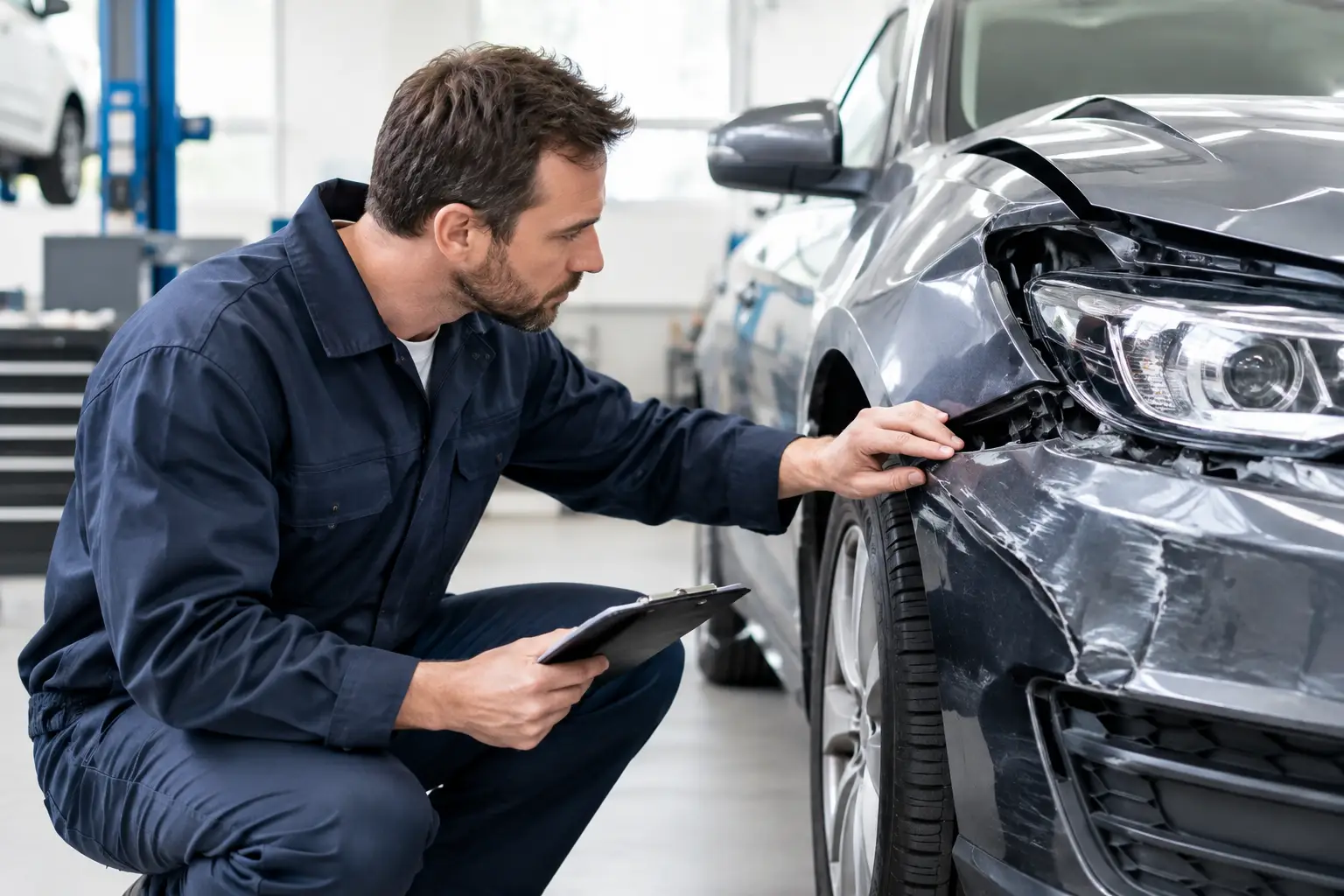
After a collision, the damage you can see is often only part of the story. A scraped bumper, bent fender, or damaged door may look straightforward, but repair quality standards determine whether your vehicle is restored safely, drives properly, and holds up after it leaves the shop.
For drivers in Southwest Houston, Sugar Land, Stafford, and Houston 77083, a quality repair should mean more than a fresh coat of paint. It should mean the work is carefully inspected, the right repair methods are used, and you receive clear communication from estimate through pickup.
What Repair Quality Standards Should Cover
Collision repair quality starts with a complete assessment. The visible impact area must be inspected, but so do the parts behind it. Modern vehicles have bumper reinforcements, sensors, wiring, mounting points, and structural components that can be affected even when exterior damage appears minor.
A proper estimate identifies the work that can be confirmed at the beginning. Once damaged parts are removed, a repair shop may find additional damage that was not visible during the first inspection. This is common after accidents and does not automatically mean something went wrong. The key is that the shop documents the finding, explains what changed, and works with the insurance company when a supplement is needed.
Repair quality standards also cover the materials and procedures used for the job. Depending on the vehicle, that may include manufacturer repair information, recommended replacement parts, corrosion protection, paint refinishing procedures, and calibrations for advanced driver-assistance features. The correct approach depends on the make, model, year, extent of damage, and the parts involved.
A Safe Repair Is More Than Cosmetic
A clean-looking repair is important, especially after damage to panels, bumpers, or paint. But appearance alone is not proof that the repair was completed correctly. A bumper can look new while hidden brackets, absorbers, sensors, or mounts still need attention.
Structural and mechanical concerns need the same level of care. If impact damage affects alignment, suspension, steering, or the vehicle frame or unibody structure, measurements and repairs must be performed accurately. A vehicle that pulls to one side, has an off-center steering wheel, or wears tires unevenly may need further inspection.
Modern safety systems add another layer. Cameras, parking sensors, blind-spot monitoring, lane-assistance equipment, and radar components can require inspection or calibration after a collision or bumper repair. Not every accident affects every system, but a responsible repair process considers whether the impact area involves one of these features.
This is why choosing a repair shop should not come down to the lowest estimate alone. A lower initial number can leave out necessary procedures, materials, or inspections. At the same time, the most expensive estimate is not automatically the best. The better question is whether the shop can explain the recommended work in plain language and stand behind the process.
Panel Repair, Replacement, and Proper Fit
One of the most common repair decisions is whether a damaged panel should be repaired or replaced. There is no one answer for every dent, crease, or collision. A minor dent on an accessible metal panel may be repaired successfully. A panel with severe stretching, sharp creases, corrosion, damage near a safety-related area, or compromised mounting points may be a better candidate for replacement.
Good repair quality standards require technicians to make that decision based on the condition of the part, not simply on what is quickest. The goal is to restore the panel's shape, strength, fit, and finish as appropriate for the repair.
Fit matters after parts are installed. Doors, hoods, trunks, bumpers, headlights, and fenders should align consistently with surrounding panels. Panel gaps should look even, doors should open and latch correctly, and lights should sit securely. Small differences can happen between vehicle designs, but obvious uneven gaps, rubbing panels, loose trim, or warning lights deserve a conversation before you take the vehicle home.
Paint Quality Means Preparation, Not Just Color
Paint work is one of the first things customers notice, and it is also one of the easiest areas to judge from a distance. A close color match matters, but lasting paint quality begins beneath the color coat.
The damaged area needs proper cleaning, sanding, priming, sealing, and preparation. Nearby panels may need to be blended so the repaired area does not stand out under sunlight, shade, or parking-lot lighting. Houston heat, humidity, road grime, and daily sun exposure can be demanding on a vehicle finish, so careful preparation is worth the time.
When you inspect paint work, look at the vehicle in more than one type of light if possible. Check for a consistent color match, smooth texture, secure trim, and clean edges around the repaired area. Very small imperfections may be correctable through final polishing, while larger color differences, peeling, overspray, or noticeable paint defects should be addressed with the shop.
Insurance Work Should Not Lower the Standard
Insurance claims can make a collision repair feel more complicated than it needs to be. You may be dealing with a claim number, adjuster, rental vehicle, repair schedule, and questions about parts all at once. A repair shop that handles insurance coordination can reduce that burden by communicating directly with the carrier and documenting the repair needs.
Insurance approval and repair quality are related, but they are not the same thing. The insurer reviews covered damage under your policy, while the repair facility performs the work required to restore the vehicle. If additional damage is found after disassembly, the shop may need approval for added repair operations or parts before continuing.
Ask for a clear explanation if the estimate changes. You should understand what was found, why it matters, and whether it affects timing. Straight answers are especially valuable when your car is the vehicle you rely on for work, school, errands, and family responsibilities.
Questions Worth Asking Before You Approve Repairs
You do not need to be an auto body expert to make an informed decision. Before repairs begin, ask how the shop will inspect hidden damage and how it will communicate if additional work is discovered. Ask whether the estimate includes necessary paint and finish work, and whether safety-related systems will be checked when the damaged area involves sensors or cameras.
It is also reasonable to ask about the expected repair timeline, parts availability, warranty terms, and how insurance coordination will be handled. A reputable local shop should welcome practical questions. Clear communication is part of quality because it helps you know what is happening with your vehicle and what to expect next.
At Sosa Automotive Group, the goal is to make a difficult situation more manageable with free estimates, direct insurance handling, and experienced collision repair support for local drivers.
Inspecting Your Vehicle at Pickup
When repairs are complete, take a few minutes to walk around your vehicle before leaving. Check the repaired area, panel gaps, paint finish, trim pieces, lights, and doors or trunk operation. Start the vehicle and look for warning messages on the dashboard. If the repair involved a bumper, mirror, camera, or sensor, ask whether those systems were inspected or calibrated as needed.
A short road check is helpful when appropriate. Pay attention to steering feel, unusual noises, vibrations, brake response, and whether the vehicle tracks straight. Some issues may not be apparent until you have driven the car for a day or two, so keep your repair paperwork and contact the shop promptly if you notice a concern.
The right repair should give you confidence when you get back behind the wheel. That confidence comes from careful work, honest communication, and a shop that treats your vehicle like the dependable part of your daily life it needs to be.