
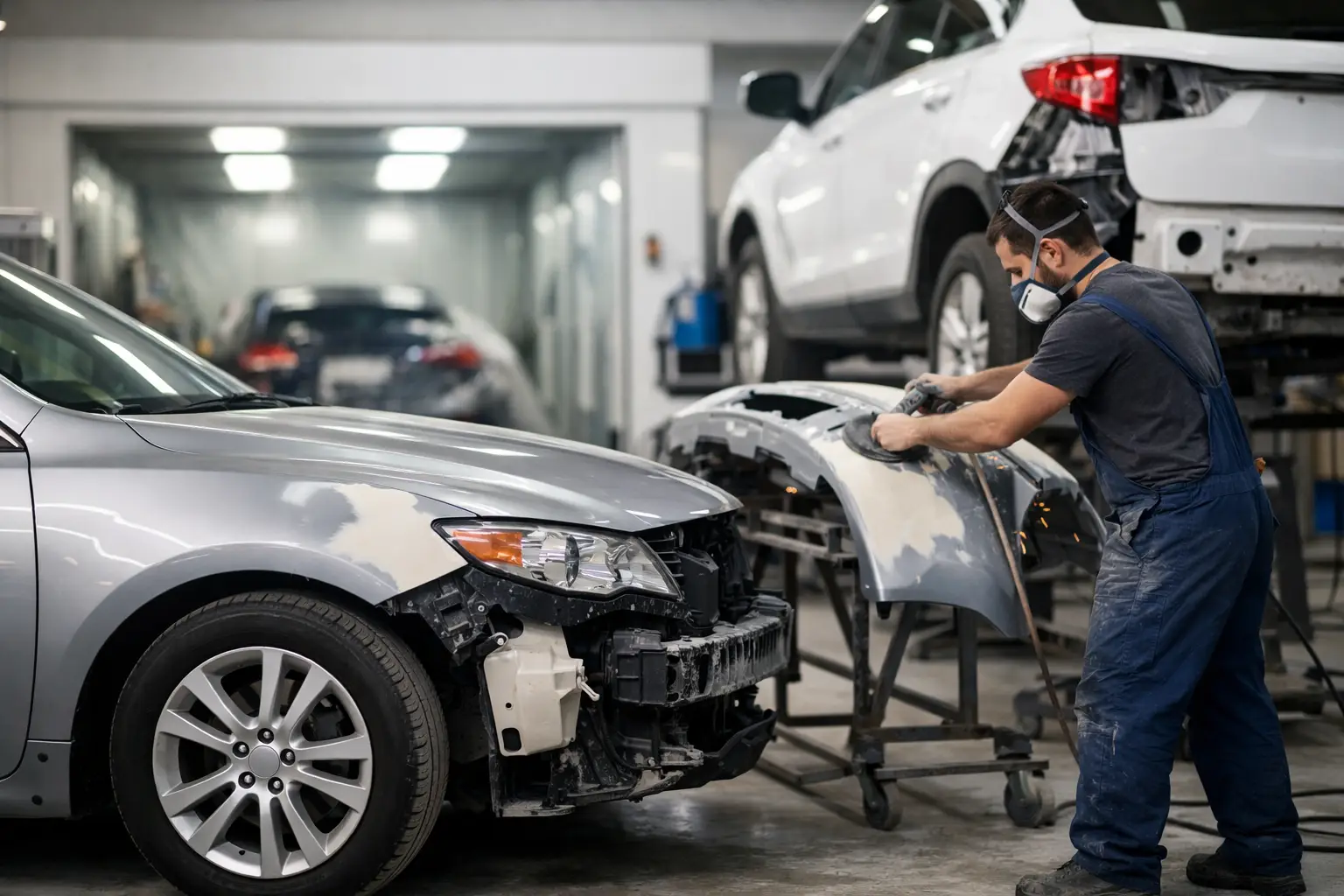
After a crash, even a minor one, most drivers want the same thing - a clear answer on where to take the car and what happens next. If you have ever asked, what is auto body repair shop service, the short answer is this: it is the type of shop that repairs vehicle damage to the body, frame, panels, paint, and other exterior parts after an accident or impact.
That simple definition helps, but it does not tell you what the shop actually does day to day. An auto body repair shop focuses on restoring how a vehicle looks, how it fits together, and in many cases how safely it performs after collision damage. That is different from a general mechanic, who usually handles engine work, brakes, oil changes, and other mechanical service.
What Is an Auto Body Repair Shop and What Does It Fix?
An auto body repair shop repairs damage to the outer structure and appearance of a vehicle. That includes dents, bent panels, broken bumpers, cracked grilles, scratched paint, collision damage, and sometimes structural issues such as frame misalignment. If your car was hit in a parking lot, backed into a pole, caught in a hailstorm, or damaged in a larger accident, this is usually the kind of shop you need.
Many people assume body repair is mostly cosmetic. Sometimes it is. A scratched door or dented fender may not affect how the car drives. But collision damage can also affect panel alignment, sensors, lights, suspension mounting points, and the way impact zones perform in another accident. A good shop is not just making the car look better. It is checking whether it has been properly restored.
That is why estimates can vary. One vehicle may need light dent repair and paint blending. Another may look minor on the outside but have hidden damage behind the bumper cover or inside the quarter panel. The visible damage is only part of the story.
How an Auto Body Repair Shop Is Different From a Mechanic
This is where a lot of confusion starts. A mechanic shop and an auto body shop may both work on cars, but they solve different problems.
A mechanic usually handles issues related to performance and operation. Think engine trouble, transmission problems, battery replacement, air conditioning repair, brake service, or steering issues. An auto body repair shop focuses on collision-related damage and exterior restoration. That includes replacing or repairing damaged panels, correcting frame issues, refinishing surfaces, and matching paint.
There can be overlap. After an accident, a vehicle may need both mechanical and body work. For example, a front-end collision might damage the bumper, hood, and fender while also affecting cooling components or suspension parts. In those cases, the repair process may involve more than one specialty. What matters most is having a shop that can identify the full scope of the damage and guide you through the next steps.
Services You Can Expect From an Auto Body Repair Shop
Most auto body repair shops offer a mix of collision repair and appearance restoration. The exact services depend on the shop, but most customers come in for one of a few common reasons.
Collision repair is the main one. This covers accident damage from small impacts to more serious wrecks. Dent removal is also common, especially for doors, fenders, and quarter panels. Paint work matters too, whether the job involves touching up damaged areas or repainting larger sections to match the rest of the vehicle.
Some shops also handle frame straightening, bumper repair, panel replacement, paintless dent repair in certain cases, and refinishing after scratches or surface damage. If the shop works with insurance claims, that can be just as valuable to customers as the repair itself. After an accident, many drivers do not want to coordinate between adjusters, paperwork, supplements, and repair updates on their own.
What Happens When You Bring Your Car In
The process usually starts with an estimate. A technician inspects the visible damage, notes the affected parts, and gives you a repair plan based on what can be seen at that stage. If insurance is involved, the estimate may also be reviewed alongside the carrier's claim process.
Once repairs begin, additional damage may be found after the damaged panels are removed. This is normal. Modern vehicles have many hidden components behind bumpers, inside doors, and around impact areas. A proper repair process accounts for that instead of rushing through what is only visible from the outside.
After the damage is fully identified, the shop can move into structural repair if needed, part replacement, surface preparation, paint matching, refinishing, and final reassembly. Before the vehicle is returned, the shop should check fit, finish, and overall repair quality. Customers may not see every step, but they should feel informed throughout the process.
Why Insurance Handling Matters
For many drivers, the hardest part of collision repair is not the repair. It is dealing with the claim. That is one reason a local shop that handles insurance coordination can make the experience much easier.
Insurance companies often require estimates, approvals, photos, and communication about supplemental damage. If a shop is used to working directly with insurers, it can help move the process along and reduce delays. That does not mean every repair is identical from claim to claim. Coverage depends on your policy, fault, deductible, and insurer requirements. But having a shop that understands the paperwork side saves time and cuts stress.
This matters even more when your vehicle is your daily transportation. Most people in Houston, Stafford, Sugar Land, and Southwest Houston cannot afford to be without a car any longer than necessary. Clear communication and practical help go a long way.
What to Look for in a Local Auto Body Repair Shop
Not every shop offers the same level of service. If you are choosing where to take your vehicle, experience matters, but so does how the shop works with customers.
Look for a shop that gives clear estimates, explains the repair process in plain language, and is comfortable answering questions without talking over you. If they offer free estimates, that helps you understand your options early. If they work with insurance companies directly, that can remove a lot of back-and-forth at a time when you already have enough to deal with.
It also helps to choose a shop that knows the local area and has a track record with drivers in your community. A family-owned business with years of experience often understands that customers are not just looking for technical work. They want honesty, updates, and a finished repair they can trust.
What Is Auto Body Repair Shop Quality Supposed to Look Like?
Good repair quality is not just a shiny paint job. A properly repaired vehicle should have panels that line up, doors and trunk areas that close correctly, and paint that blends as closely as possible with the existing finish. The repaired area should not stand out for the wrong reasons.
The shop should also be realistic with you. Some repairs are straightforward. Others depend on parts availability, hidden damage, insurance approval times, or the age and condition of the vehicle. A trustworthy shop does not promise the impossible just to win the job. It gives you the most accurate picture it can and keeps you updated if anything changes.
That practical approach is one reason many local drivers turn to established shops such as Sosa Automotive Group after an accident. They want a place that can repair the vehicle, help with insurance, and make the process feel manageable.
When You Should Visit an Auto Body Shop
You do not need to wait for severe damage to get your car checked. If your bumper is loose, your panel gaps suddenly look uneven, your paint is scraped down to the metal, or your door no longer closes the same way, it is worth getting an estimate. Even low-speed impacts can leave hidden issues behind the visible dent.
A quick inspection can tell you whether the damage is mostly cosmetic or whether something more serious needs attention. That is especially important after any collision that affects the front or rear of the vehicle, where hidden components and support structures are common.
If you are wondering whether the damage is worth fixing, that depends on the vehicle, the extent of the issue, and whether insurance is involved. But getting an estimate gives you real information instead of guesswork.
A good auto body repair shop does more than fix dents and repaint panels. It helps restore confidence in your vehicle and gives you a straightforward path forward when things have already gone off track. If your car has been damaged, the best next step is simple - get it inspected, ask questions, and work with a shop that treats both the repair and the customer with care.