
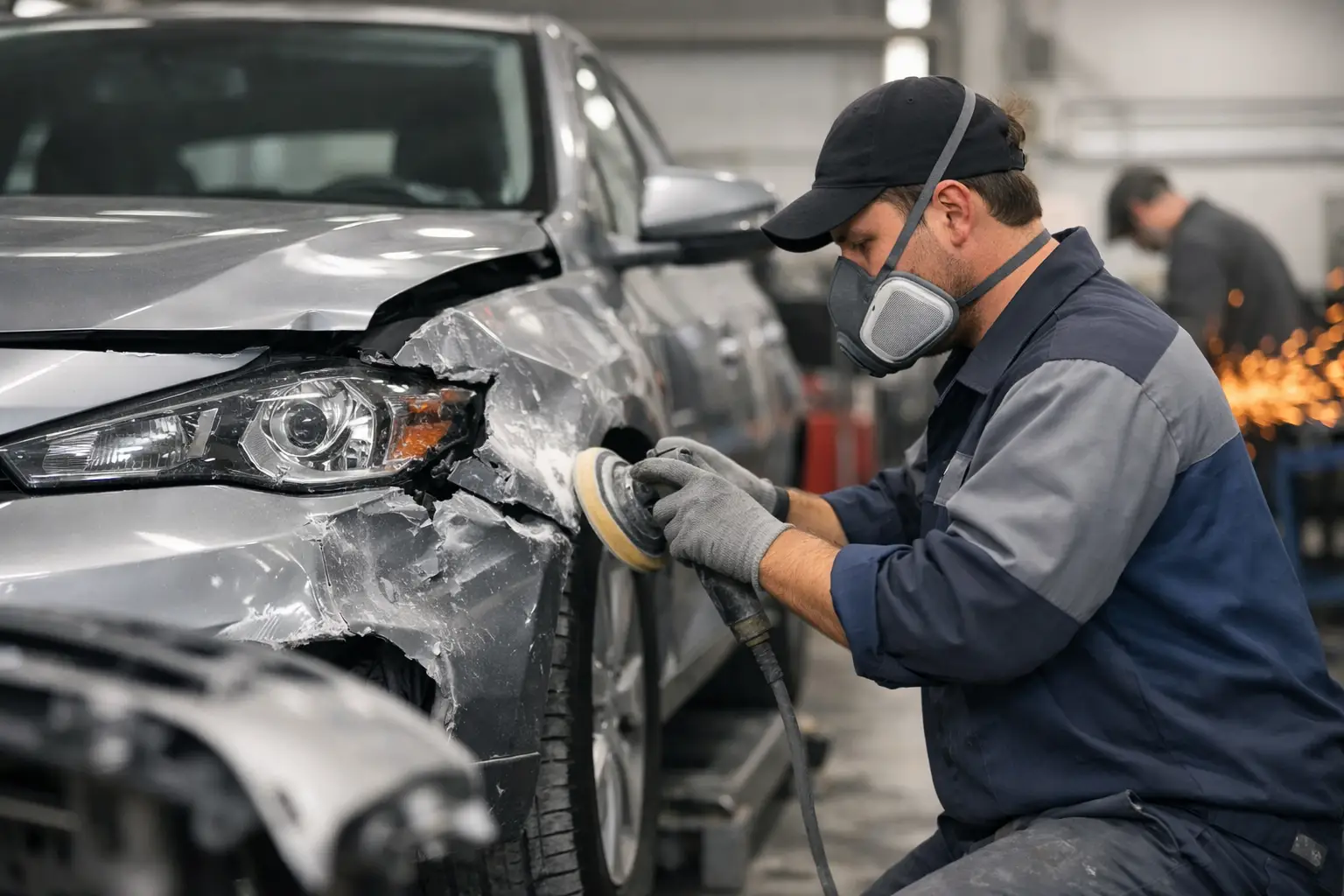
A minor fender bender can leave you with more questions than dents. One of the most common is simple: what is auto body collision repair, and what does a shop actually do once your vehicle is dropped off?
Auto body collision repair is the process of restoring a vehicle after an accident or impact damage. That can include fixing dents, replacing damaged panels, repairing the frame, matching paint, and making sure the vehicle looks right and drives the way it should. In many cases, the goal is not just cosmetic. Good collision repair also helps restore structural integrity, safety, and value.
For drivers in Houston, Stafford, Sugar Land, and nearby Southwest Houston neighborhoods, this matters because even a low-speed crash can affect more than the bumper you see. Damage often extends beneath the surface, which is why a proper inspection is the starting point for any reliable repair.
What is auto body collision repair and what does it include?
Auto body collision repair focuses on the exterior and structural parts of a vehicle that are damaged in a collision. It is different from routine maintenance like oil changes or brake service. It is also different from purely mechanical work, although some collision jobs involve both body and mechanical repairs.
A typical repair may include panel repair or replacement, dent removal, bumper repair, paint preparation, refinishing, and alignment of body components such as doors, fenders, hoods, and quarter panels. If the impact reaches deeper into the vehicle, the repair can also involve frame straightening, suspension checks, and safety system inspections.
The exact scope depends on the accident. A parking lot scrape may only need surface repair and paintwork. A harder hit on the front or side of the vehicle can affect mounting points, sensors, lights, wheel alignment, and the underlying frame or unibody structure.
That is why the phrase collision repair covers more than one task. It is really a full restoration process designed to bring the vehicle back to pre-accident condition as closely as possible.
The collision repair process from estimate to delivery
The process usually begins with an estimate. A technician inspects visible damage, documents affected areas, and creates a repair plan based on what can be seen at that stage. This gives the vehicle owner and insurance company an initial picture of cost and timing.
Once the vehicle is disassembled, hidden damage may be found. That part surprises a lot of drivers, but it is normal. Modern vehicles are built with layered components, and impact energy often travels beyond the first damaged panel. A bumper cover may look lightly scratched while reinforcement parts behind it are bent.
After the full damage assessment, the shop moves into structural and body repair. If the frame or unibody is out of specification, it must be measured and corrected first. From there, damaged parts are repaired or replaced, panels are fitted, and surfaces are prepared for paint.
Paint work takes more care than many people realize. Matching the vehicle's existing finish involves color matching, blending when needed, and proper curing so the repaired area does not stand out. When done well, the finished repair should look consistent with the rest of the vehicle.
The final stage includes reassembly, quality checks, and often a cleanup before delivery. Depending on the damage, the shop may also verify that lights, sensors, trim pieces, and body gaps are properly set before the vehicle is returned.
Why proper collision repair matters
It is easy to think of auto body damage as a cosmetic problem, especially when the car still runs. But collision repair is about more than appearance.
A damaged body structure can affect how the vehicle absorbs impact in a future crash. Misaligned panels can create problems with doors, trunk lids, or hoods opening and closing correctly. Bumpers and reinforcement parts that are not properly restored may not protect the vehicle the same way they did before the accident.
There is also the issue of resale value. Visible poor-quality repairs, mismatched paint, or lingering body damage can lower buyer confidence. Even if you plan to keep the car for years, you still want repairs that hold up over time.
This is where experience matters. A dependable shop does not just make the damage less noticeable. It follows repair procedures carefully, checks for hidden problems, and aims to return the vehicle to safe, roadworthy condition.
Common types of damage repaired in an auto body shop
Most collision repair shops handle a wide range of damage, from minor cosmetic issues to more serious accident repairs. Dents and creases are common, especially on doors, fenders, and quarter panels. Bumper damage is also frequent because bumpers absorb a lot of low-speed impact.
Paint damage can include scratches, chipped surfaces, peeling, or cracked finish after an accident. In some cases, the panel itself is repairable. In others, replacement makes more sense because of the extent of the damage or the cost of labor.
More serious repairs may involve frame or unibody correction, broken headlight assemblies, damaged grilles, mirror replacement, or realignment of panels after impact. Some jobs also require checking wheel alignment or suspension components if the collision affected how the car tracks on the road.
It depends on the vehicle and the accident. Newer vehicles often include cameras, sensors, and advanced driver-assistance features in areas that used to be simple body panels. That can make a straightforward-looking repair more involved than drivers expect.
How insurance fits into auto body collision repair
For many customers, the repair itself is only part of the stress. The insurance process can be just as frustrating if you are trying to manage estimates, approvals, and paperwork on your own.
In most collision claims, the shop prepares an estimate and works with the insurance company on repair authorization. If additional damage is found during teardown, supplements may need to be submitted for approval. This is a normal part of the process, not a sign that something has gone wrong.
The main benefit of working with a shop that handles insurance coordination is convenience. It reduces back-and-forth, helps keep the repair moving, and gives you clearer communication about what is approved and what comes next.
That said, repair timelines can still vary. Parts availability, the severity of the damage, and insurance response times all affect how quickly the vehicle can be completed. A good shop should be direct about that rather than promising a date too early.
What to look for in a collision repair shop
If you need repairs after an accident, the best shop is not always the one with the fastest promise or the cheapest first estimate. You want a team that inspects thoroughly, communicates clearly, and stands behind its work.
Look for experience with collision repair, paint services, and body restoration under one roof. Ask whether the shop provides free estimates and whether it works directly with insurance companies. Those details matter when you are trying to get your car repaired without adding more hassle to an already stressful situation.
Local reputation also counts. A family-owned shop that has served the community for years usually understands what customers care about most - honest information, dependable repair quality, and practical help from start to finish. For many drivers in Southwest Houston, that combination is more valuable than flashy advertising.
Sosa Automotive Group has built that kind of trust by focusing on straightforward service, free estimates, and insurance help for local drivers who need their vehicles repaired the right way.
When should you get collision damage checked?
If your vehicle has been hit, it is smart to have it inspected as soon as possible, even if the damage looks minor. Small cracks, loose panels, hidden structural issues, and sensor problems are easier to address early than after they worsen.
You should also get an inspection if the vehicle pulls to one side, a door no longer closes the same way, warning lights come on after impact, or you notice uneven gaps between body panels. Those signs can point to more than surface damage.
Waiting can sometimes create bigger repair needs. Moisture can reach exposed metal, paint damage can spread, and damaged parts can become less stable with continued driving. Getting a professional estimate gives you a clearer idea of what is urgent and what options you have.
Auto body collision repair is, at its core, the work of putting your vehicle back together after something unexpected interrupts your routine. The right repair should leave you with more confidence every time you get back behind the wheel.