
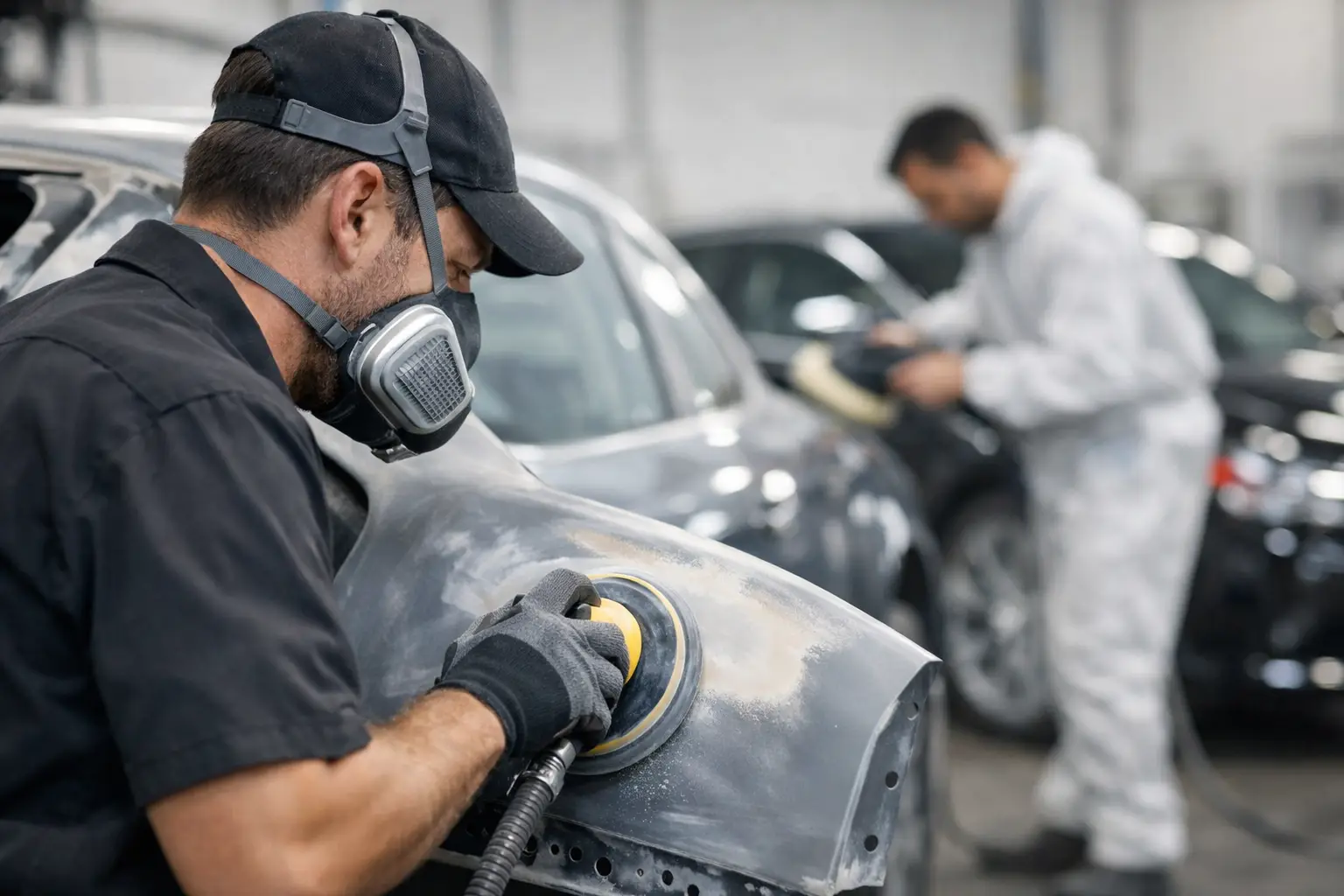
A lot of drivers first ask what is auto body repair and refinishing right after a wreck, a parking lot scrape, or storm damage leaves their vehicle looking rough. At that point, you are usually not looking for industry terms. You want to know what gets fixed, what the shop actually does, and whether your car will look right again.
Auto body repair and refinishing is the process of restoring a vehicle’s exterior after damage. That can include repairing dents, replacing damaged panels, straightening parts of the body, preparing surfaces, matching paint, and applying a new finish so the vehicle looks and functions the way it should. In many cases, it is part cosmetic and part structural, especially after a collision.
What is auto body repair and refinishing in simple terms?
In simple terms, auto body repair fixes the damaged parts of your vehicle’s outside structure. Refinishing restores the surface appearance through sanding, priming, painting, and clear coating. When both are done correctly, the goal is not just to cover damage. It is to bring the vehicle back to proper condition, protect it from rust and wear, and help maintain its value.
This work is different from mechanical repair. If your engine, brakes, or transmission need service, that is a separate area of automotive work. Auto body repair focuses on the parts you can see and the structures that support them, such as fenders, bumpers, doors, quarter panels, hoods, and sometimes the frame or unibody.
What kinds of damage does auto body repair fix?
Most people associate body repair with accidents, but collision damage is only one reason a vehicle may need refinishing work. A shop may also repair damage from hail, falling debris, shopping carts, road debris, minor impacts, vandalism, and everyday wear.
Sometimes the damage is obvious, like a crushed bumper or a scraped door. Other times, the visible mark is small but the underlying issue is bigger. A low-speed impact can shift panel alignment, crack mounting points, or damage areas behind the bumper cover. That is why a proper inspection matters before anyone talks about paint alone.
There is also a difference between repairable damage and replacement-level damage. A dented panel may be shaped and refinished if the metal is still sound. If the panel is torn, badly stretched, or no longer safe, replacement may be the better choice. The right answer depends on the severity of the damage, the vehicle design, parts availability, and cost.
The auto body repair process step by step
The process usually starts with an inspection and estimate. A technician looks at visible damage, checks panel fit, and identifies what parts may need repair or replacement. If insurance is involved, this stage often includes documentation and communication with the carrier.
After that, the damaged area is disassembled as needed. This helps uncover hidden problems behind the visible damage. On modern vehicles, removing covers, trim, lights, and adjacent parts is often necessary to see the full scope of the repair.
Once the damage is fully understood, the actual repair begins. That may include dent removal, panel repair, replacement of damaged components, and structural correction if the impact affected alignment points. The goal is to restore the shape, fit, and integrity of the body.
Then comes surface preparation. This is where refinishing starts to matter. Repaired areas are sanded smooth, imperfections are corrected, and primer is applied to create a stable surface for paint. Skipping or rushing prep work usually shows up later as poor paint adhesion, uneven texture, or visible repair lines.
The paint stage follows. Color matching is a big part of refinishing, especially on newer vehicles where factory colors can vary slightly by batch, age, and sun exposure. A quality refinish job often involves blending color into adjacent panels so the repair looks natural rather than patched.
Finally, the clear coat is applied and cured. This protective top layer gives the finish gloss and helps shield the paint from UV exposure, moisture, and daily wear. After curing, the vehicle is reassembled, inspected, and cleaned before delivery.
Why refinishing is more than just paint
People sometimes think refinishing means spraying new paint over damage, but that is not how proper work is done. Refinishing is a controlled process that affects both appearance and long-term durability.
If the damaged surface is not cleaned, leveled, primed, and sealed correctly, the paint may not hold up. You can end up with peeling, bubbling, fading, or premature rust. Good refinishing work protects the repaired area and helps it blend with the rest of the vehicle.
Paint matching is another reason refinishing takes skill. White, black, silver, and gray may seem simple, but they can be some of the hardest colors to match because slight differences stand out. Metallic and pearl finishes add another layer of complexity. The painter has to account for tone, depth, and how the color lays under light.
How long does auto body repair and refinishing take?
It depends on the damage. A small cosmetic repair may take a few days. A larger collision repair involving parts replacement, paint work, and insurance approval can take longer. Delays often come from hidden damage, specialty parts, or waiting on insurer authorization rather than the repair work itself.
That is why clear communication matters. A dependable shop should explain the expected timeline, what could change it, and where the vehicle is in the process. For most drivers, being without a car is stressful enough. You should not have to chase updates.
Will insurance cover auto body repair and refinishing?
In many collision cases, yes, but coverage depends on your policy and the cause of the damage. If another driver hit you, their insurance may be responsible. If you caused the accident, your collision coverage may apply. Hail or falling object damage may fall under comprehensive coverage.
Even when insurance is involved, there can still be choices to make. Some repairs are straightforward. Others involve decisions about aftermarket parts, used parts, OEM parts, or whether a panel should be repaired or replaced. Those choices can affect cost, timing, and final appearance. It helps to work with a shop that can explain the trade-offs in plain language and handle the insurance communication without making the process harder on you.
What to look for in an auto body repair shop
If you need body work after an accident, the lowest estimate is not always the best estimate. You want a shop that inspects thoroughly, explains the work clearly, and stands behind the repair. Experience matters, but so does how the shop communicates.
Look for a repair team that handles both body work and refinishing as part of one complete process. That reduces the chances of mismatched work or handoff issues between separate vendors. It is also helpful to choose a local shop that understands how to move repairs through insurance efficiently, especially when you need to get back on the road quickly.
For drivers in Southwest Houston, Stafford, Sugar Land, and nearby areas, that local familiarity can make a real difference. Shops that work with collision claims every day tend to know how to keep things moving and how to spot issues before they become bigger problems. Sosa Automotive Group has built its reputation around that kind of practical, community-based service.
When should you get damage checked?
Sooner is usually better. Even if the damage looks minor, chipped paint and exposed metal can lead to rust. A bumper that seems mostly cosmetic may be hiding damage underneath. Waiting can also complicate insurance claims or make it harder to connect the damage to the original incident.
If your vehicle has been hit, scraped, dented, or damaged by weather, getting a professional estimate gives you a clearer picture of what you are dealing with. Sometimes the repair is simpler than expected. Other times, catching the issue early prevents more expensive problems later.
Auto body repair and refinishing is really about restoring confidence in your vehicle. When the work is done right, your car should look right, drive right, and protect its value. If you are dealing with damage now, the best next step is a straightforward inspection and a clear estimate from a shop that treats you like a neighbor, not a claim number.