
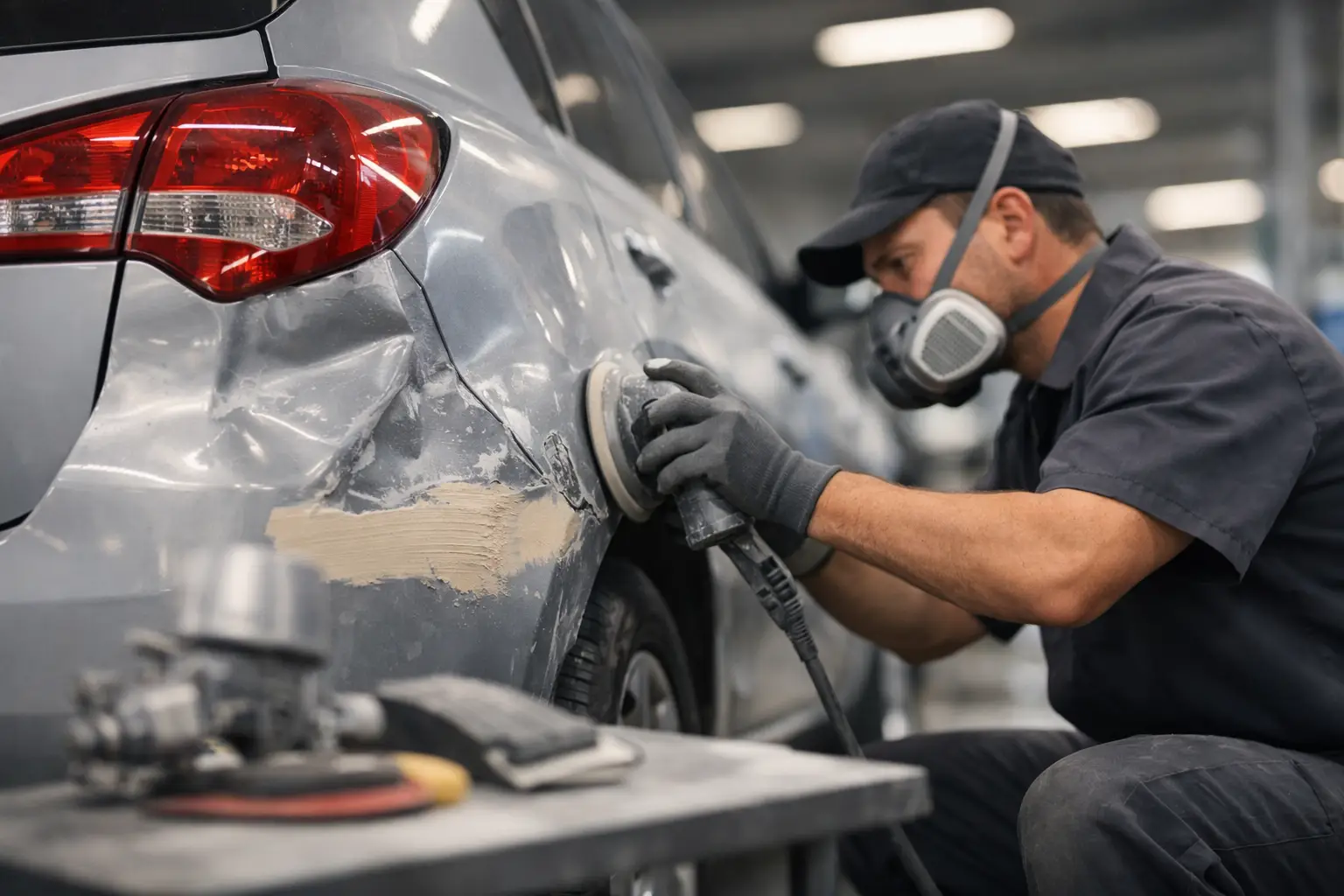
A lot of drivers ask the same question right after a fender bender or parking lot scrape: what is vehicle body repair, exactly? In simple terms, it is the process of fixing the outside structure and appearance of your vehicle after damage. That can mean repairing dents, replacing broken panels, correcting frame issues, restoring paint, and making sure the vehicle looks right and drives safely again.
For most people, body repair becomes urgent at the worst time. You may be dealing with insurance calls, figuring out whether the car is safe to drive, and trying to get back to work or family routines. That is why it helps to understand what body repair includes and what a qualified shop is actually doing during the process.
What is vehicle body repair and what does it include?
Vehicle body repair focuses on the parts of the car you can see and the structural areas underneath that may have been affected by an accident. It is different from basic mechanical service like oil changes or brake work, although some repair shops can coordinate both if needed.
Body repair often includes fixing or replacing bumpers, fenders, doors, quarter panels, hoods, trunks, mirrors, and other exterior components. It can also involve paint matching, scratch repair, panel alignment, and frame or unibody correction after a collision. If airbags deployed or sensors were impacted, those items may need to be inspected as part of the overall repair plan too.
Some damage is obvious. A crushed bumper or bent door stands out right away. Other damage is less visible. A low-speed impact can still shift panel gaps, affect alignment, or damage mounting points behind the surface. That is one reason a proper estimate matters. What looks minor on the outside is not always minor underneath.
Why body repair matters beyond appearance
Many drivers assume body repair is mostly cosmetic. Sometimes it is. A small dent or paint scratch may not affect how the car drives. But after a collision, body damage can go further than appearance.
Modern vehicles are built with crumple zones and carefully designed structural points that help absorb impact. If those areas are bent or weakened, the vehicle may not protect occupants the same way in another accident. Even something as simple as a misaligned hood or damaged bumper reinforcement can affect safety and fit.
There is also the issue of long-term value. Exposed metal can rust. Loose panels can worsen over time. Poor paint repair can peel or fade. A quality body repair is not just about making the car look better for a week. It is about restoring condition, function, and value in a way that lasts.
The main types of vehicle body repair
Not every job is the same, and the repair method depends on the kind of damage.
Dent repair is common after minor impacts, hail, or parking lot incidents. Some dents can be reshaped without repainting if the paint surface is still intact. Others require filler, sanding, and refinishing.
Collision repair is broader. It may include disassembly, hidden damage inspection, parts replacement, structural correction, and refinishing. This is the kind of repair most people need after an accident involving another vehicle, a pole, or roadside object.
Paint and refinishing work restores color and protects the repaired area. Good paint work is about more than spraying color. It involves prep work, proper blending, and matching the finish so the repaired section does not stand out from the rest of the vehicle.
Frame or unibody repair comes into play when the structure has shifted. Not every accident causes structural damage, but when it does, precision matters. Measurements need to be checked and corrected so panels fit right and the vehicle performs as intended.
How the body repair process usually works
The process starts with an estimate. A technician inspects visible damage and prepares a repair plan based on what can be seen at that stage. If insurance is involved, the estimate may also be shared with the carrier for review and approval.
Next comes teardown or disassembly, especially for collision repairs. This is where hidden damage often shows up. A bumper cover may look scratched, but once removed, there may be damage to reinforcement bars, brackets, sensors, or inner supports. That can change the scope of the repair.
After the full damage is identified, the shop handles structural or panel repairs, replaces any parts that cannot be repaired properly, and begins prep for refinishing. Once paint work is complete, the vehicle is reassembled, checked, and cleaned up for delivery.
A good shop keeps customers informed through the process, especially if insurance approvals or parts delays affect timing. That communication matters because repair schedules can change depending on the extent of hidden damage and part availability.
What is vehicle body repair compared to collision repair?
People often use the terms interchangeably, and in everyday conversation that is fine. Still, there is a small difference.
Vehicle body repair is the broader category. It includes cosmetic damage, dent repair, scratch repair, paint restoration, panel replacement, and structural correction. Collision repair usually refers more specifically to damage caused by an accident or impact.
So if your car has a scraped bumper from a parking lot wall, that falls under body repair. If the same incident also damaged mounting points, sensors, and adjacent panels, it becomes a collision repair job too. In real life, the line between the two is often thin.
How to know when you need professional repair
Some vehicle damage is clearly serious. If a door will not close, a bumper is hanging loose, lights are broken, or the car pulls after impact, it should be inspected right away. Those are obvious signs.
Other times, the need is less dramatic. Maybe the damage seems small, but the paint is cracked and metal is exposed. Maybe the trunk looks fine but no longer seals tightly. Maybe the panel gaps on one side suddenly look uneven. Those are all good reasons to get a professional opinion before the problem gets worse.
It also makes sense to get an estimate even if you are not sure whether you will file a claim. A free estimate gives you a clearer picture of the damage, the likely repair path, and whether it is worth handling through insurance or out of pocket.
Choosing the right body shop
Not every shop offers the same level of repair quality or customer support. For most drivers, the best shop is one that explains the process clearly, stands behind the work, and can deal with both the repair side and the insurance side without creating more stress.
Experience matters, especially with modern vehicles that include sensors, advanced materials, and tighter factory fit standards. So does communication. You should know what is being repaired, what is being replaced, and why.
For local drivers in Southwest Houston, that practical support can make a big difference. A family-owned shop like Sosa Automotive Group can help with the repair itself while also handling insurance coordination and providing a free estimate, which saves customers time when they are already dealing with enough.
What affects repair time and cost
There is no one-size-fits-all answer. A small dent repair may move quickly, while a collision job with structural damage and paint blending takes longer. Parts availability can also affect turnaround time, especially for newer models or vehicles with specialty components.
Cost depends on labor, parts, paint materials, and the extent of hidden damage. Repairing a panel is sometimes more cost-effective than replacing it, but not always. The right choice depends on the severity of the damage, the location, and whether the repaired part can be restored safely and cleanly.
That is why estimates can vary from one vehicle to another even when the damage looks similar from a distance. What matters most is that the repair plan is accurate and not based on guesswork.
A practical way to think about body repair
If you are still wondering what is vehicle body repair, the easiest answer is this: it is the work that brings your vehicle back after damage, both in how it looks and how it holds together. Sometimes that means a simple cosmetic fix. Sometimes it means a more involved collision repair that includes structure, parts, paint, and insurance coordination.
If your vehicle has been hit, scraped, dented, or damaged in any way, getting it inspected early usually saves time and trouble later. A clear estimate and honest advice can turn a stressful situation into a manageable one, and that alone is worth a lot when your car is part of your everyday life.