
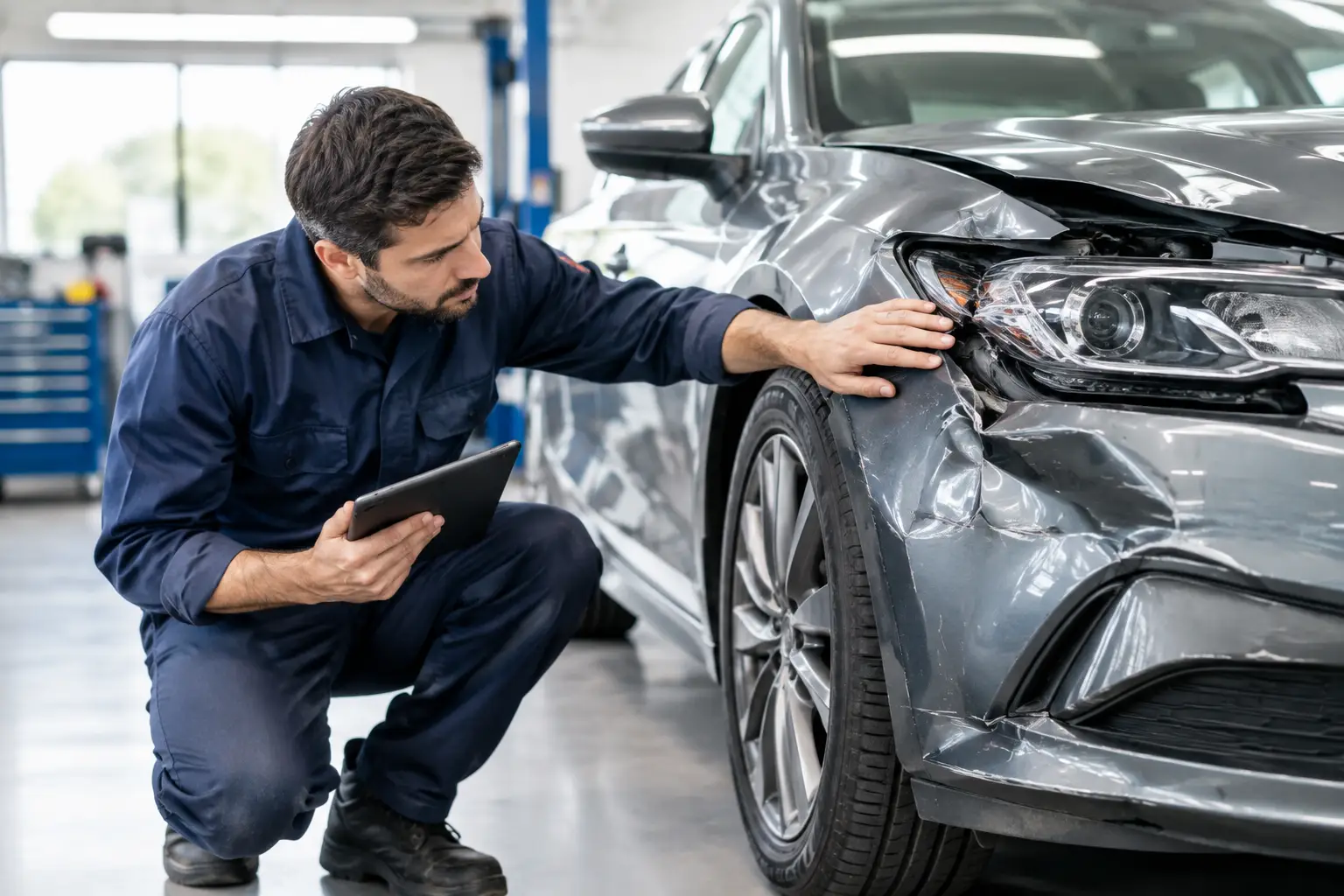
A collision can leave more questions than visible damage. Your bumper may be cracked, a door may not close correctly, or the vehicle may look fine until you notice a warning light days later. Quality auto body repair is about more than making a vehicle look better. It is about restoring the parts, alignment, paint, and safety-related systems that help you get back on the road with confidence.
For drivers in Houston 77083, Stafford, Sugar Land, and Southwest Houston, the right repair shop can make an already stressful situation much easier. A dependable local shop should explain the damage clearly, provide a free estimate, communicate with your insurance company, and treat your vehicle like the transportation your family depends on.
Auto Body Repair Is More Than Cosmetic
Scratches, dents, and broken trim are easy to see. What is harder to see is the damage behind the exterior panel. Modern vehicles have impact absorbers, brackets, sensors, wiring, structural components, and mounting points behind bumpers, fenders, doors, and quarter panels. A low-speed parking lot impact can still damage parts that affect fit, function, or safety.
That is why a proper inspection matters. A technician may need to remove damaged exterior pieces to check what happened underneath. If a bumper cover is replaced without addressing a damaged reinforcement bar, sensor mount, or bracket, the vehicle may look repaired while important components remain out of position.
Paint work also requires more than choosing a color that looks close. Houston heat, humidity, sun exposure, and normal wear can change how an existing finish appears. A careful repair may require color matching and blending into adjacent panels so the repaired area does not stand out in different lighting. The goal is a finish that looks natural from the driveway, in direct sun, and on the road.
What a Thorough Repair Process Looks Like
A good repair begins with an estimate, but the first estimate is not always the final repair plan. Some damage cannot be identified until the shop begins disassembly. This is common after a collision because exterior panels can hide broken clips, bent brackets, damaged supports, or issues with parts behind the impact area.
The repair process usually starts with a visual inspection and documentation of the damage. Next comes disassembly when needed, followed by a more complete review of affected components. If additional repairs are found, the shop prepares a supplement for the insurance company or discusses the added work directly with the customer.
Once the repair plan is approved, damaged parts are repaired or replaced, body panels are aligned, and the surface is prepared for paint. Preparation is where much of the quality lives. Proper sanding, priming, masking, and surface cleaning help paint adhere correctly and create a smooth finish. Rushing this stage can lead to uneven texture, visible repair lines, peeling, or poor color consistency later.
Before delivery, the vehicle should be checked for panel gaps, latches, lights, trim, and finish quality. If the collision affected safety features such as parking sensors, cameras, radar components, or warning systems, those systems may also need inspection or calibration. The exact work depends on the make, model, location of the damage, and manufacturer requirements.
Repair or Replace? It Depends on the Damage
Many customers want to know whether a dented panel can be repaired instead of replaced. In some cases, repairing a panel is the practical choice. A shallow dent with intact paint may be repaired efficiently, especially when the metal has not been stretched or creased severely.
Replacement may be the better option when a panel is torn, heavily bent, rusted, or damaged near a safety-related mounting area. The same decision applies to bumpers. A bumper cover with minor scuffs may be repairable, while one with deep damage, broken mounting tabs, or sensor-related concerns may need replacement.
Parts selection can also vary. Depending on the vehicle, insurance coverage, availability, and repair requirements, a shop may use original equipment, aftermarket, recycled, or reconditioned parts. There is no one-size-fits-all answer. The important thing is understanding what is being installed and why it is appropriate for your vehicle and repair plan.
Insurance Should Not Add More Stress
After an accident, insurance calls, claim numbers, photos, adjuster appointments, and paperwork can feel like a second job. You have the right to ask questions and understand the repair plan before work begins. A repair shop should be willing to explain the estimate in plain language rather than leave you guessing about line items or next steps.
Direct insurance handling can save time and reduce back-and-forth communication. The shop can provide estimates, submit supplements when hidden damage is found, and coordinate with the insurer while keeping you updated. That does not mean every claim moves at the same speed. Approval times, parts availability, and the extent of damage can all affect the timeline.
It helps to bring your claim information, insurance details, and any photos from the accident when you request an estimate. If you have already received an insurer estimate, bring that too. It gives the shop a starting point, but it should not prevent a full inspection if the visible estimate does not cover all necessary repairs.
Questions Worth Asking an Auto Body Shop
You do not need to be a car expert to make a smart repair decision. Start by asking whether the estimate is free, how the shop handles insurance communication, and what happens if additional damage is found after disassembly. You should also ask how the shop will keep you updated during the repair.
For paint work, ask whether the repair includes color matching and blending when needed. For collision repairs, ask whether the shop will inspect related components such as lights, sensors, brackets, and alignment points. A straightforward answer is a good sign. A trustworthy shop should make the process easier to understand, not more confusing.
It is also reasonable to ask about timing, but remember that an exact completion date is not always possible on the first day. A shop may be waiting on insurance authorization, parts delivery, or the results of a deeper inspection. Clear communication matters more than an unrealistic promise.
Do Not Wait Too Long on Vehicle Damage
Some damage is safe to schedule, such as a small cosmetic scratch with no loose pieces or exposed metal. Other damage deserves prompt attention. Loose bumpers, broken lights, doors that do not latch, rubbing tires, leaking fluids, warning lights, and exposed sharp edges should be inspected as soon as possible.
Even minor paint damage can become more expensive if bare metal is left exposed to moisture. Houston's humidity can speed up corrosion, particularly around rock chips, scratches, and damaged panel edges. Addressing the problem early may protect more than the appearance of your vehicle.
For more than 20 years, Sosa Automotive Group has helped local drivers move from accident damage to a repaired, presentable vehicle with free estimates and insurance assistance. If your vehicle has been hit, scraped, dented, or needs paint work, start with an honest inspection. Getting clear answers early can help you choose the right repair path and get back to your routine with less worry.