
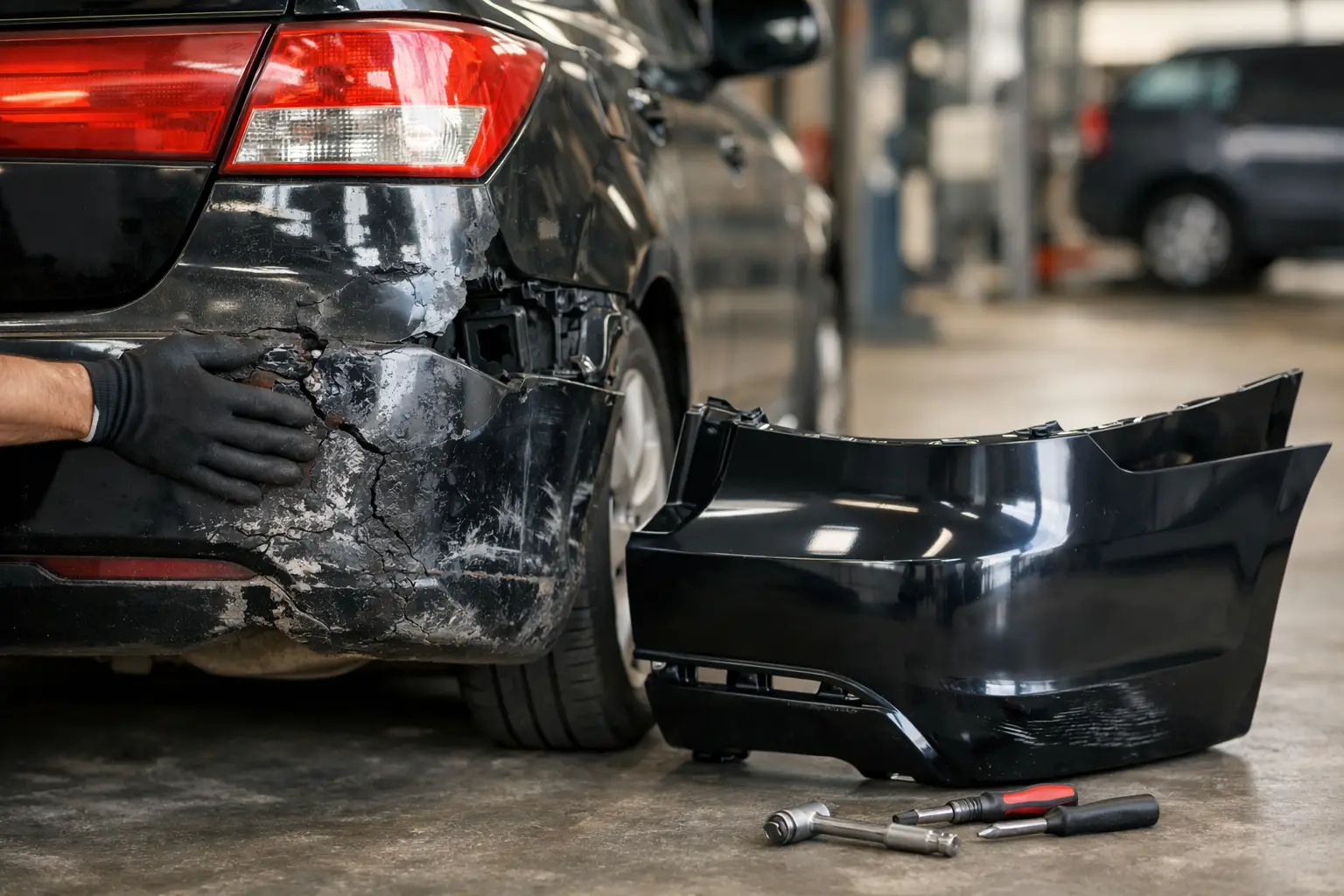
A bumper can look like a simple plastic panel, but it is part of the system designed to absorb impact and protect important components behind it. After a parking-lot hit, a rear-end collision, or contact with road debris, many drivers ask, “when should bumper be replaced?” The answer depends on more than how noticeable the damage looks from a few feet away.
A cracked cover may call for replacement, while a small scuff may only need paint work. The bigger concern is what happened beneath the visible surface. On many newer vehicles, bumpers also contain sensors, brackets, foam absorbers, wiring, cameras, and reinforcement components that need a careful inspection after an impact.
When Should a Bumper Be Replaced Instead of Repaired?
Replacement is usually the better choice when damage affects the bumper’s structure, mounting points, safety-related parts, or ability to fit securely. Cosmetic repairs can be a good value when the damage is limited and the bumper remains sound, but a repair should not hide a problem that could affect protection in the next collision.
1. The bumper cover is cracked, split, or punctured
A shallow scrape or paint transfer can often be repaired. A crack is different. Plastic bumper covers flex during normal driving, and a crack can spread with vibration, heat, and everyday use. A split near a corner or mounting point is especially likely to worsen over time.
Small cracks can sometimes be plastic-welded, depending on the material and location. However, a cover with multiple cracks, a large tear, or a hole is often more reliable to replace. This is particularly true when the damage is near areas that support the cover or hold it to the fender.
2. It is loose, sagging, or will not stay attached
A bumper that pulls away from the vehicle may have broken clips, damaged retainers, bent brackets, or torn mounting tabs. In some cases, replacing a bracket or retainer is enough. In others, the bumper cover itself has been stretched or damaged and will not sit correctly again.
Do not ignore a loose bumper just because the vehicle still drives normally. It can catch air on the highway, rub against a tire, fall further out of position, or allow water and debris into areas that should remain protected. A proper repair should restore a secure, even fit along the hood, trunk, lights, fenders, and wheel openings.
3. The bumper reinforcement or impact absorber is damaged
Behind the painted bumper cover, most vehicles have an impact absorber and a reinforcement bar. These pieces help manage collision energy. They may be damaged even when the outside cover only shows a dent or a small scrape.
If the reinforcement bar is bent, crushed, rusted after impact, or pushed out of position, it should generally be replaced. The same goes for a compressed or broken foam absorber. These parts are not cosmetic, and trying to straighten or reuse severely damaged components can compromise how the bumper performs in another impact.
4. Sensors, cameras, or lights are affected
Modern front and rear bumpers often house parking sensors, blind-spot sensors, radar units, cameras, fog lights, and wiring. If you see warning messages on the dashboard after an accident, hear constant sensor alerts, or notice a camera image that is misaligned, the bumper needs professional evaluation.
Even a low-speed impact can move a sensor bracket by a small amount. That can interfere with parking assistance or driver-assistance features. Depending on the damage, a shop may be able to replace a sensor bracket or repair wiring. If the bumper cannot hold those components in the correct position, replacement and proper calibration may be necessary.
5. The damage has distorted the bumper shape
Heat and plastic repair techniques can correct some dents and warping. But a bumper that remains deeply creased, stretched, or misshapen may not return to its original form. This is common after an impact that pushes the bumper inward and then pulls it back out.
A distorted bumper can leave uneven gaps and create wind noise. More importantly, it may indicate damage to hidden supports. If the cover no longer aligns with the body panels or repeatedly pops loose, replacing it is usually the cleaner and longer-lasting solution.
6. There is damage behind the bumper
The bumper is often the first visible part to show damage, not the only one. A collision can affect the radiator support, trunk floor, frame rails, fender liners, exhaust components, cooling parts, liftgate, or rear body panel. Front-end impacts may also damage the condenser or radiator, even if there is no immediate leak.
This is why an estimate should include an inspection behind the cover. A shop may need to remove the bumper to identify all the damage and write an accurate repair plan. Replacing the cover alone without correcting what is behind it can leave the vehicle with fitment problems, warning lights, or reduced safety performance.
7. Repair costs are too close to replacement costs
Not every damaged bumper needs replacement. For a minor dent, a localized repair and repaint may be the most practical option. But repairs become less cost-effective as damage spreads across multiple areas, paint damage becomes extensive, or tabs and mounting points need repeated work.
A quality repair involves preparation, plastic repair where appropriate, refinishing, blending paint when needed, and reinstallation. If that process approaches the cost of a new bumper cover, replacement may provide better fit, appearance, and durability. The right choice should be based on the actual condition of the bumper, not simply on which option sounds less expensive at first.
Can You Drive With a Damaged Bumper?
It depends on the type of damage. A light scuff with no looseness, cracks, warning lights, or visible damage behind the bumper is usually not an emergency. Still, it is worth getting an estimate before paint damage worsens or a small crack spreads.
Avoid driving longer than necessary if the bumper is hanging, rubbing a tire, blocking a light, exposing sharp edges, or causing sensor warnings. If the accident involved a strong impact, the vehicle pulls to one side, fluids are leaking, the trunk or hood will not close, or airbags deployed, have the vehicle inspected before relying on it for daily driving.
Houston traffic makes secure body repairs especially important. Long commutes, highway speeds, rain, heat, and crowded parking lots can turn a loose bumper or hidden issue into a larger repair. Addressing it early can help prevent extra damage and reduce the chance of an unexpected problem on the road.
What a Professional Bumper Inspection Should Include
A dependable inspection looks beyond the painted surface. The technician should check panel gaps, retainers, brackets, impact absorbers, reinforcement components, lights, wiring, wheel liners, and any visible damage behind the bumper. For vehicles with driver-assistance systems, the inspection should also account for sensor condition and whether calibration is needed after repair.
Paint matching matters, too. Replacing a bumper cover means the new part must be properly prepared and refinished to match the vehicle. Color can vary slightly from panel to panel because of age, sun exposure, and previous repairs. A professional body shop evaluates whether adjacent panels need blending for a consistent finish.
If insurance is involved, document the damage with clear photos and avoid making permanent repairs before the claim is reviewed, unless the vehicle needs immediate work to be safe. A collision repair shop can help explain the estimate, identify supplemental damage found after disassembly, and coordinate with the insurer so the repair is handled correctly.
Get Clear Answers Before You Choose a Repair
The best next step after bumper damage is not guessing from a photo or judging the vehicle only by appearance. Get an in-person estimate from a shop that can inspect the bumper and the components behind it. At Sosa Automotive Group, drivers in Houston, Stafford, Sugar Land, and Southwest Houston can receive a free estimate and help with insurance coordination after a collision.
A small scrape may only need refinishing. A cracked, loose, distorted, or safety-related bumper needs more attention. Getting a clear repair recommendation early gives you the best chance of restoring your vehicle’s appearance, fit, and protection without unnecessary delays.