
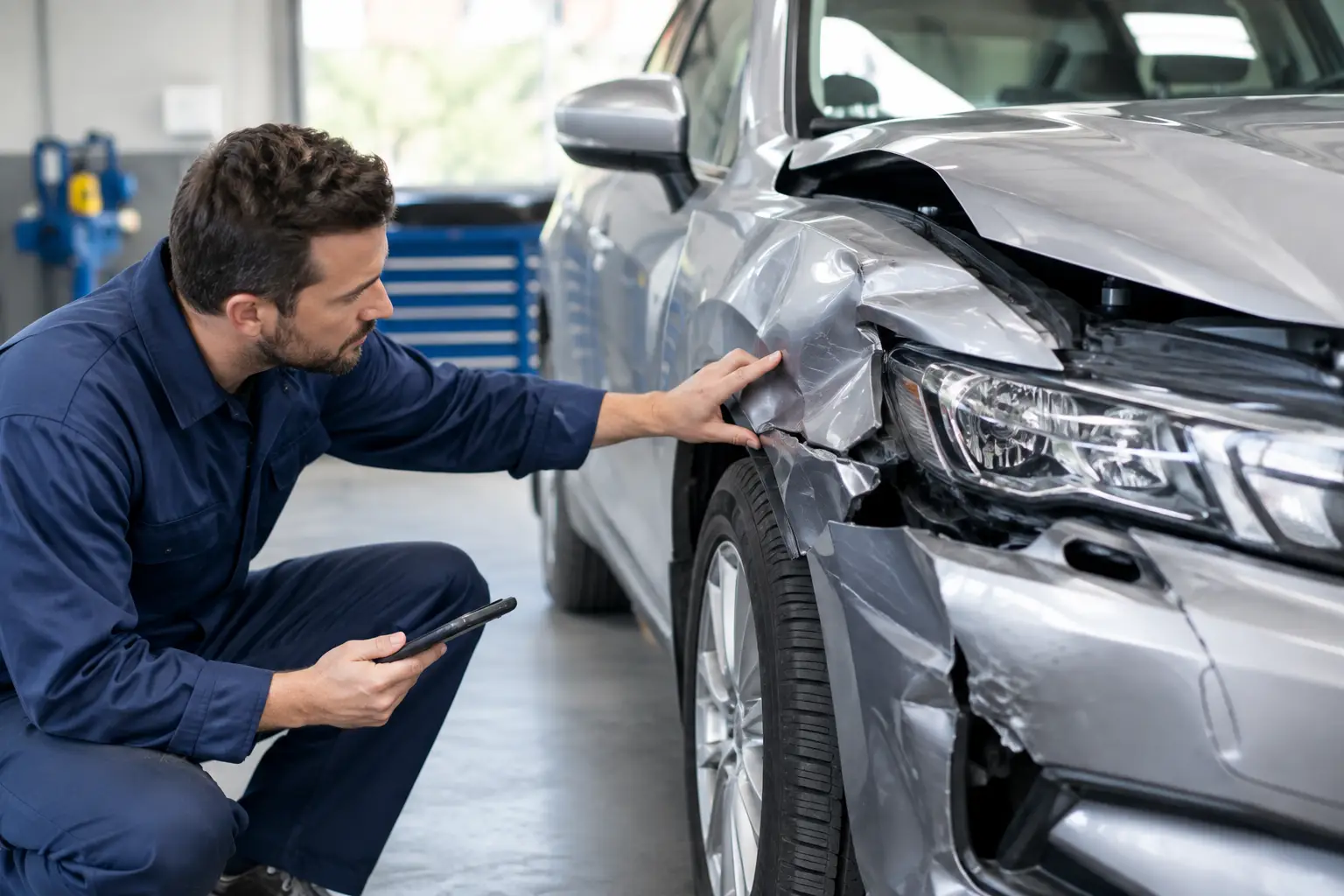
A bumper may look like a simple plastic cover, and a dented door may seem like a quick fix. But once a vehicle has been hit, the visible damage is often only part of the story. If you are asking, “why is body repair expensive,” the answer usually comes down to the work required to restore your vehicle’s safety, appearance, and proper operation - not just make the damage less noticeable.
Modern vehicles are built with layers of components behind every panel. A low-speed collision can affect brackets, sensors, wiring, mounting points, and structural areas that cannot be fully evaluated until the vehicle is inspected or disassembled. Quality collision repair takes trained technicians, correct equipment, replacement parts, and careful refinishing to return the vehicle to pre-accident condition.
Why Is Body Repair Expensive? The Damage Is Often Hidden
The first estimate is based on what can be seen. Once damaged parts are removed, a repair shop may find additional issues behind the bumper, fender, door, or quarter panel. This is common after collisions, even when the outside damage appears minor.
For example, a cracked bumper cover can also mean damaged absorbers, reinforcement bars, splash shields, parking sensors, or headlight brackets. A rear-end impact may affect the trunk floor, rear body panel, exhaust mounts, or blind-spot monitoring components. These parts are not always visible during the initial walk-around.
That does not mean a shop is adding unnecessary work. It means the repair plan must account for the full extent of the damage once it can be properly inspected. Insurance companies commonly receive supplemental estimates when hidden collision damage is found.
Parts Cost More Than Many Drivers Expect
Today’s vehicles use more specialized parts than vehicles from even a decade ago. A front bumper may include grille shutters, radar units, cameras, sensors, wiring harnesses, decorative trim, and manufacturer-specific mounting hardware. A side mirror may contain turn signals, heating elements, cameras, and blind-spot warning equipment.
Replacement parts can come from several sources, including original equipment manufacturer parts, aftermarket parts, or recycled parts. The right choice depends on your vehicle, the damaged component, availability, insurance coverage, and the repair needed. Original manufacturer parts may cost more, while aftermarket or recycled options can sometimes help control the estimate.
Price is only one consideration. The part also has to fit correctly, perform as intended, and support a proper repair. A less expensive part that requires extra modification or does not align well can create delays and poor results.
Labor Is Skilled, Detailed Work
Body repair is not simply pulling out a dent and applying paint. Technicians must measure damaged areas, repair or replace panels, restore attachment points, prepare surfaces, blend color, reassemble components, and inspect the finished work. Depending on the impact, they may also need to straighten structural areas using specialized measuring and pulling equipment.
A repair estimate separates work into different labor operations because each one requires time and skill. Body labor addresses panel repair and replacement. Paint labor covers refinishing work. Mechanical labor may be needed for suspension, cooling, steering, or electrical damage. Frame or structural labor may apply when the vehicle’s underlying structure has been affected.
Houston drivers also need repairs that hold up to daily commuting, heat, rain, and highway driving. Cutting corners on preparation, panel alignment, corrosion protection, or reassembly may lower a bill in the short term, but it can leave a vehicle with paint problems, wind noise, warning lights, or safety concerns later.
Paint Matching Is More Involved Than It Looks
A painted repair has to blend with the rest of the vehicle. Factory paint changes over time because of sunlight, weather, washing, and normal wear. Even two vehicles with the same factory paint code can look slightly different years later.
To create a consistent finish, a shop may need to blend paint into an adjacent panel rather than paint only the damaged section. This helps prevent a noticeable color difference at the edge of a repaired panel. The process includes sanding, masking, priming, color application, clear coat, drying, polishing, and quality checks.
Paint materials themselves are also expensive. Modern refinishing products are designed to provide color accuracy, durability, and gloss, but they require proper preparation and controlled application. A quick spot repair may seem less costly, yet it is not always the best option for an even, lasting result.
Safety Technology Adds Calibration Costs
Many late-model vehicles have advanced driver-assistance systems. These may include forward collision warnings, automatic emergency braking, lane departure alerts, parking sensors, backup cameras, adaptive cruise control, and blind-spot monitoring.
If a collision affects a sensor, camera, bumper, windshield, mirror, grille, suspension component, or alignment angle, the system may need inspection and calibration. Calibration verifies that cameras and sensors are aimed and operating correctly after repairs. It is not an optional cosmetic step when the vehicle manufacturer requires it.
This is one of the biggest reasons a repair that looks straightforward can become more expensive. The vehicle must be restored not only so it looks right, but so its safety systems can recognize the road, nearby vehicles, and potential hazards correctly.
Repairing a Vehicle Properly Takes Time
People understandably want their vehicle back as soon as possible. For families, commuters, and working drivers in Southwest Houston, being without a vehicle is disruptive. Still, a fast repair and a rushed repair are not the same thing.
Parts availability can affect the timeline, especially for newer models or vehicles with specialized trim and electronics. Insurance approvals may also be required when additional damage is discovered. Paint and structural work involve steps that cannot always be rushed without affecting the final result.
A dependable shop communicates what is happening, explains any supplements or delays, and works with the insurance company when appropriate. At Sosa Automotive Group, direct insurance handling and free estimates help customers get a clearer picture of the process before repairs move forward.
Insurance Coverage Changes What You Pay
The total repair cost is not always the amount you pay out of pocket. If you are using collision coverage or filing against another driver’s liability coverage, your deductible and policy terms will matter. Your insurer may review the estimate, approve repairs, and issue payment based on the covered damage.
Insurance claims can feel frustrating when the estimate changes, but supplements are a normal part of collision repair. The goal is to document damage accurately and make sure the insurer has the information needed to address necessary repairs.
You also have choices to discuss with your repair shop and insurer. If a vehicle has pre-existing damage, cosmetic wear, or a limited budget, the repair plan may need to focus on safety-related damage first. In other cases, restoring the vehicle completely is the best path. The right approach depends on the vehicle’s condition, its value, the accident damage, and your coverage.
The Cheapest Estimate May Not Be the Best Value
Comparing estimates is reasonable, especially after an unexpected accident. But a lower total does not always mean the same repair. One estimate may include sensor calibration, corrosion protection, paint blending, or manufacturer-required procedures, while another may not. Parts type, labor operations, and repair methods can also differ.
Ask what parts will be used, whether safety systems will be scanned or calibrated, and how the shop plans to handle hidden damage. A clear estimate should help you understand the work rather than leave you guessing why one price is much lower than another.
Body repair is expensive because your vehicle is more complex than it appears from the outside. A careful inspection and an honest estimate can replace uncertainty with a practical plan, helping you get back on the road with confidence.